Get your free personalized podcast brief
We scan new podcasts and send you the top 5 insights daily.
Regret is based on the flawed assumption that you could have chosen differently. If you rewind time, your brain, information, and circumstances would be identical, leading to the same decision 100% of the time. Accepting this necessity dissolves regret's power.

Related Insights
Regrets aren't about specific failures, but about consistently choosing the safe, logical path (the 'big boy/girl') over the intuitive, risk-taking inner voice (the 'little boy/girl'). A life without regret requires letting your inner child 'come out and play' at critical forks in the road.

Regret traps you in a cycle of reliving past mistakes without changing the outcome, similar to how worry focuses on an uncontrollable future. Reflection, however, is an objective debrief of the past to extract lessons, gain clarity, and inform future actions for growth.

Our minds obsess over incomplete tasks or "open loops," a psychological principle called the Zeigarnik effect. Unpursued career paths create a powerful open loop, causing us to ruminate on "what could have been," which fuels regret.
Psychological research reveals a clear pattern in regret. We immediately regret actions we took that turned out poorly ("sins of commission"). However, over a lifetime, our most profound regrets stem from what we failed to do, such as not expressing our feelings—these "sins of omission" create lingering "what if" scenarios.
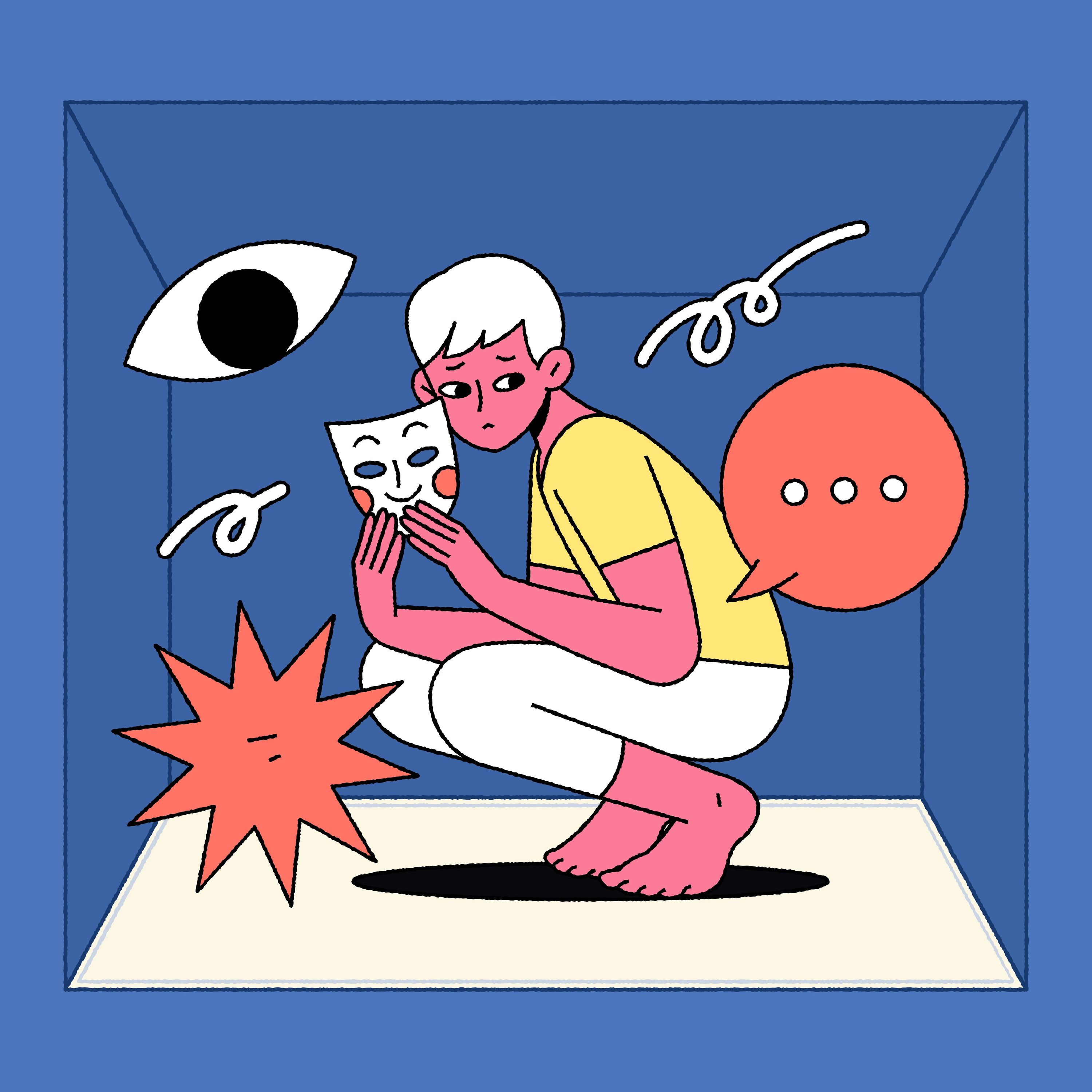
People easily forgive themselves for mistakes but ruminate on things they didn't try. This "boldness regret" is a major source of life dissatisfaction, especially with career choices, highlighting the psychological cost of playing it safe.
Leaders often get paralyzed by fears of rejection or embarrassment. However, the most powerful emotional motivator is the avoidance of future regret. Asking 'Will I regret not doing this?' can reframe the risk of failure and provide the clarity needed to pursue a new path.

We experience every event three times: in anticipation, in the actual moment, and in memory. The key to managing anxiety about the future and regret about the past is to keep these three "trips" distinct. This framework encourages being fully present in the current moment, which is the only one you control.

Obsessing over past mistakes or missed opportunities paralyzes you from taking necessary action today. The antidote is to accept that the past is immutable and redirect all energy towards consistent, daily execution on your goals, which is the only way to create a better future.

Since human life is finite, you will inevitably "fail" to do everything you want to do. Accepting this isn't depressing; it's liberating. It frees you from the constant, anxious struggle to avoid failure, allowing you to relax and focus on doing what truly matters with the time you have.
When deciding whether to leave a stable job to start Amazon, Jeff Bezos asked which choice he would regret more at age 80. People are far more haunted by the opportunities they didn't take than the ones they took that failed. This is a powerful mental model for making bold career leaps.
