Get your free personalized podcast brief
We scan new podcasts and send you the top 5 insights daily.
When parent company Sara Lee pressured Coach to enter JCPenney to facilitate deals for its other brands, CEO Lou Frankfurt refused. He recognized this would dilute Coach's premium brand positioning and was prepared to be fired rather than compromise. This demonstrates the critical importance of protecting long-term brand equity over short-term corporate synergy.

Related Insights
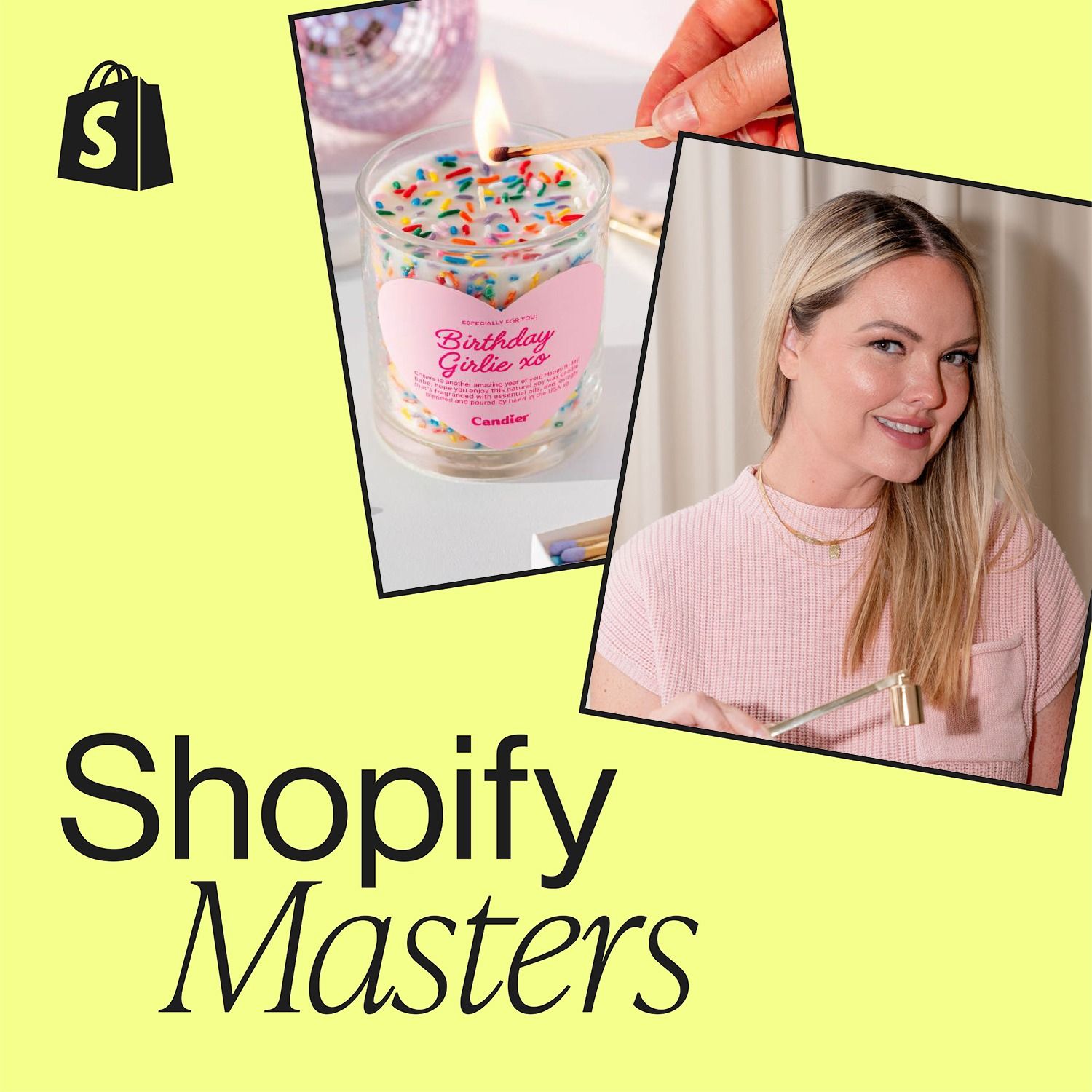
Faced with a massive distribution opportunity, the founder declined because it required compromising on non-negotiable brand pillars like wax quality, signature molds, and US manufacturing. This demonstrates the discipline to prioritize long-term brand equity over short-term revenue and distribution gains.
Marketing professor Marcus Collins argues that the true test of brand leadership isn't crafting a purpose statement, but adhering to it when faced with challenges or pressure on shareholder value. Many leaders evangelize their brand's point of view only when convenient, which ultimately undermines authenticity.

Coterie maintains its premium brand status by systematically rejecting initiatives that don't meet an extremely high bar. If a new product isn't 'demonstratively better' or in direct service to the customer, the company kills the project, protecting its brand and focus.

For the first time, Coach led its Black Friday and holiday season with brand messaging, not promotions. This reflects a conviction that building genuine brand desire reduces the need to compromise on price, even during peak sales periods, thus protecting brand value.

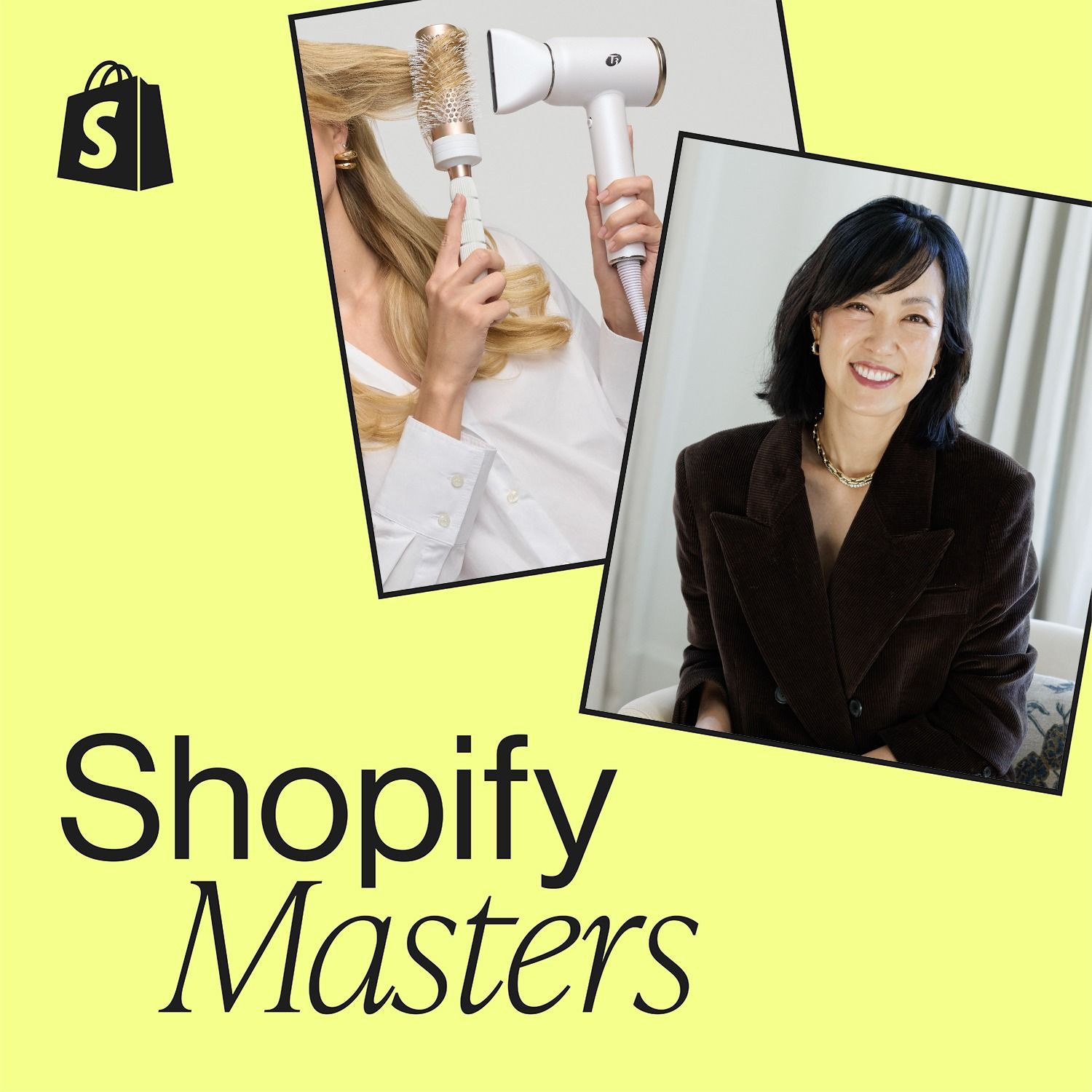
When Sephora first approached T3, their request was to create a Sephora-branded hair dryer. Despite being a young, bootstrapped company, T3 declined the white-label opportunity. They insisted on selling under their own brand name, a crucial decision that allowed them to build long-term brand equity instead of becoming a disposable supplier.
For premium retail brands, avoiding the temptation to discount is crucial. Lululemon's strategy to rarely offer sales, even when certain styles fall flat, demonstrates a focus on long-term brand preservation over short-term earnings boosts, a key positive indicator for investors.
At large companies, decisions often gravitate toward optimizing near-term financial results, which can subtly degrade customer experience and creativity. GM's marketing head suggests a key role of the CEO is to actively shield the long-term creative vision from these short-term pressures.
To preserve brand exclusivity for a hot brand like Miu Miu, the default answer to expansion opportunities, such as new stores or categories, is 'no.' This disciplined refusal to chase short-term success protects the long-term value and allure of the brand.

For premium brands like Coterie, the choice of retail partner is a branding decision. A retailer's reputation for quality reinforces the product's own values, while a poor retail environment like a messy shelf can actively dilute brand equity.
The founders are extremely selective, rejecting most potential partnerships and opportunities. This discipline ensures every decision aligns with their long-term vision and values, preventing brand dilution and allowing them to grow in a way that feels organic and intentional.