Get your free personalized podcast brief
We scan new podcasts and send you the top 5 insights daily.
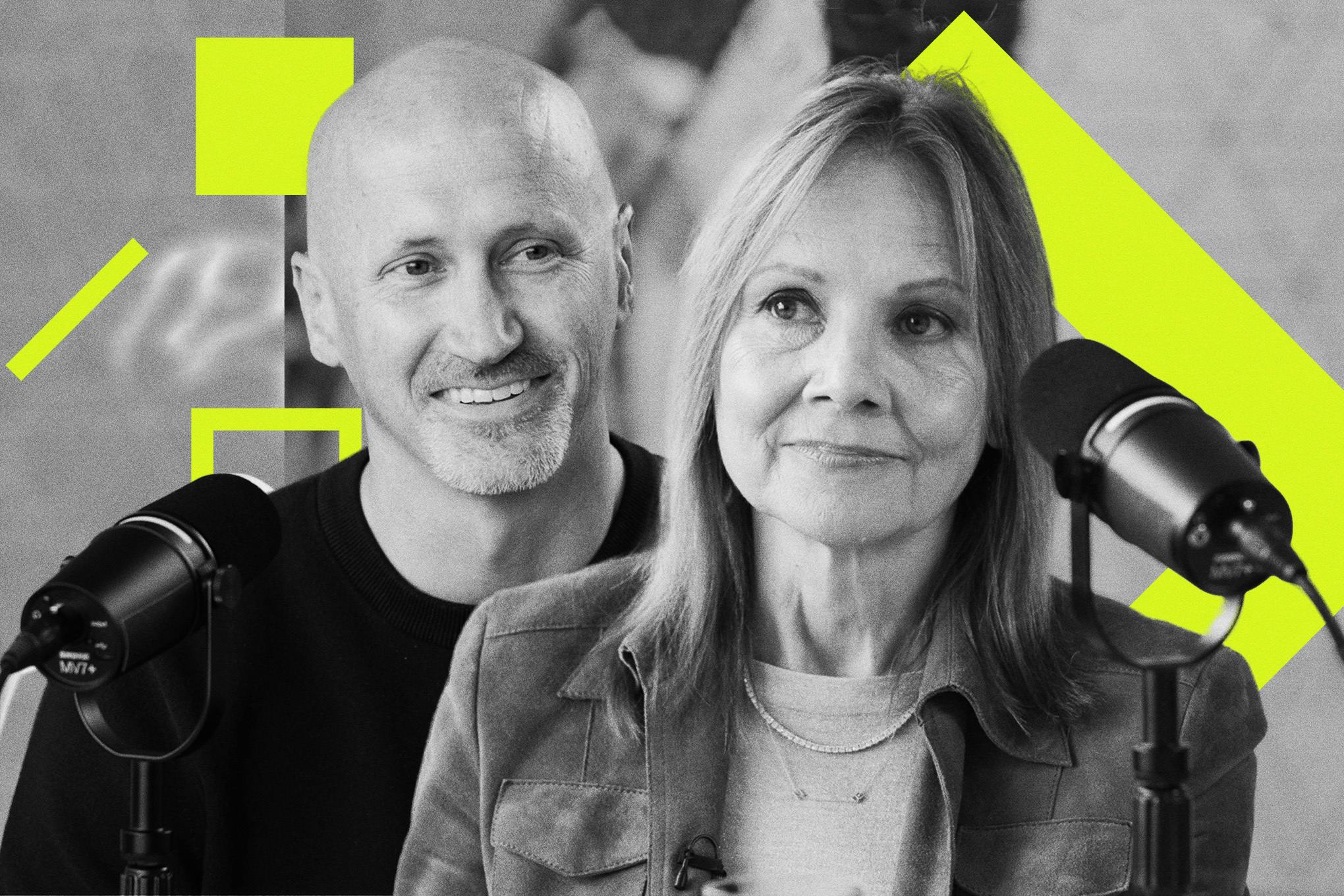
At large companies, decisions often gravitate toward optimizing near-term financial results, which can subtly degrade customer experience and creativity. GM's marketing head suggests a key role of the CEO is to actively shield the long-term creative vision from these short-term pressures.

Related Insights
An effective CEO maintains a consistent core philosophy but tailors the emotional and subjective components of the message for different audiences (e.g., engineering, sales, investors). This context-switching ensures everyone can hear and internalize the message in a way that resonates with them personally.
![Wolfgang Hammer - The Power of Story - [Invest Like the Best, EP.447] thumbnail](https://megaphone.imgix.net/podcasts/adaa55e4-bead-11f0-a5d6-a799713dc0a0/image/a76713c3a8fb2abf443f9164703734c5.jpg?ixlib=rails-4.3.1&max-w=3000&max-h=3000&fit=crop&auto=format,compress)
Lululemon's founder argues the brand is in a "nosedive" because its finance-focused CEO lacks creative vision. This highlights a critical tension: trendy consumer brands thrive on a founder's unique DNA, which can be lost when replaced by purely data-driven management that prioritizes deals over dreams.

Contrary to stereotypes, the best creative leaders possess a strong understanding of business mechanics. They use this knowledge not just for operational success, but as a crucial tool to protect their creative vision and build a robust, defensible enterprise.

Beyond tactical execution, a Chief Marketing Officer's primary strategic function at the executive table is to represent the customer's perspective. This ensures that brand-building efforts and overall business strategy remain customer-centric and effective, a viewpoint that can otherwise get lost.

Contrary to the popular advice to 'hire great people and get out of their way,' a CEO's job is to identify the three most critical company initiatives. They must then dive deep into the weeds to guarantee their success, as only the CEO has the unique context and authority to unblock them.

CEO Mary Barra has transformed GM's strategic planning from a rigid annual event into a more frequent and fluid process. This shift allows the senior leadership team to react quickly to new market data and technological learnings, preventing 'momentum' from pushing a program forward when a pivot is needed, a critical capability in the volatile auto market.
As companies scale, the "delivery" mindset (efficiency, spreadsheets) naturally pushes out the "discovery" mindset (creativity, poetry). A CEO's crucial role is to act as "discoverer-in-chief," protecting the innovation function from being suffocated by operational demands, which prevents the company from becoming obsolete.

The ultimate differentiator for CEOs over decades isn't just product, but their skill as a capital allocator. Once a company generates cash, the CEO's job shifts to investing it wisely through M&A, R&D, and buybacks, a skill few are trained for but the best master.

Lifetime's CCO argues that creative leaders should not become pure managers. He maintains his edge and leads by example by actively participating in the creative process, from logo design to app experience concepts. He believes any creative leader who doesn't "get their hands dirty" is less trustworthy and effective.
Instead of operating within the confines of a marketing department, marketers should adopt the mindset of the CEO. This means focusing on how to change the customer's mind to achieve the company's ultimate goals, rather than getting bogged down in departmental tactics. This approach leads to more influential and strategic work.
