Get your free personalized podcast brief
We scan new podcasts and send you the top 5 insights daily.
For premium retail brands, avoiding the temptation to discount is crucial. Lululemon's strategy to rarely offer sales, even when certain styles fall flat, demonstrates a focus on long-term brand preservation over short-term earnings boosts, a key positive indicator for investors.
Related Insights
To convince a CEO of a brand's value, ask one simple question: 'Do we have pricing power?' This metric—the ability to raise prices at or above inflation without losing demand—cuts through marketing jargon. It is the most direct, tangible indicator of brand health that resonates with finance-focused leadership.
For luxury brands, raising prices is a strategic tool to enhance brand perception. Unlike mass-market goods where high prices deter buyers, in luxury, price hikes increase desirability and signal exclusivity. This reinforces the brand's elite status and makes it more coveted.
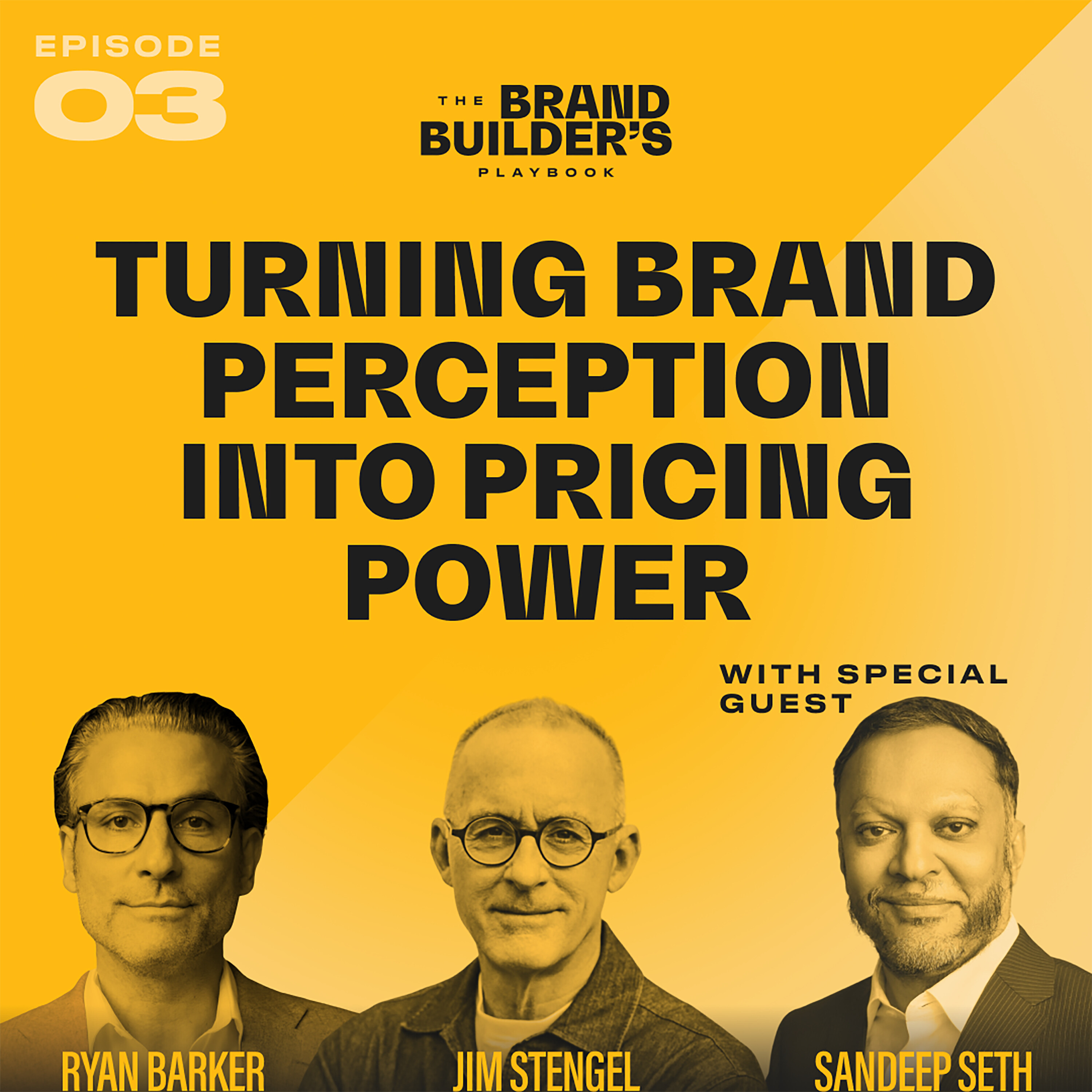
Pricing power allows a brand to raise prices without losing customers, effectively fighting the economic principle that demand falls as price rises. This is achieved by creating a brand perception so strong that consumers believe there is no viable substitute.
When a new KFC premium product wasn't selling, they doubled the price instead of discounting it. This aligned the price with consumer expectations for a premium item, signaling quality and causing sales to soar. Low prices can imply low quality for high-end goods.

To get buy-in from financial stakeholders, translate the 'soft' concept of brand love into hard metrics. Loved brands can command higher prices, maximize customer lifetime value, and reduce customer acquisition costs through organic advocacy, proving brand is a tangible asset.
Comfort strategically adjusts prices based on stock availability, not just demand. For fast-selling items, they increase the price to slow sales velocity, ensuring they stay in stock longer and avoid disappointing customers. This prioritizes long-term stability over short-term sales volume.

Using Sprite as an example, Chris Burgrave shows how short-term budget cuts lead to a slow erosion of brand equity, eventual retailer delistings, and a massively expensive relaunch years later. The initial savings are dwarfed by the future investment required to regain lost ground, making consistent brand support more cost-effective.
When pressured to hit quarterly targets with promotions, use a simple filter: 'Does this action increase the long-term desirability of my full-price product?' This framework helps balance immediate revenue needs with the crucial goal of protecting and building brand equity, preventing a downward spiral of discounting.
While intended to drive sales, frequent discounting damages brand perception by training consumers to see the brand as low-value. This creates a "deselection barrier" where they won't consider it at full price, eroding long-term brand equity for short-term gains.
For premium brands like Coterie, the choice of retail partner is a branding decision. A retailer's reputation for quality reinforces the product's own values, while a poor retail environment like a messy shelf can actively dilute brand equity.