Get your free personalized podcast brief
We scan new podcasts and send you the top 5 insights daily.
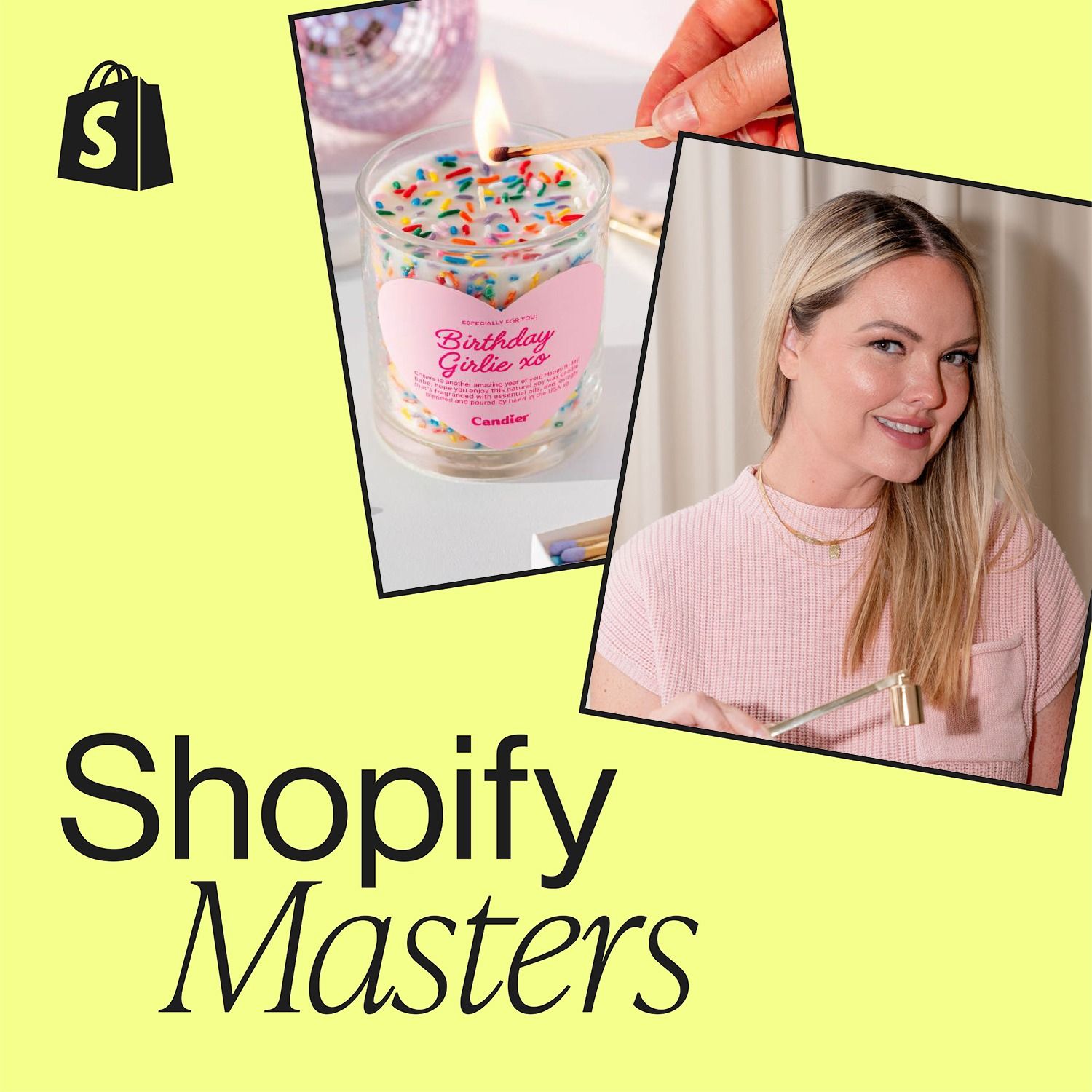
Faced with a massive distribution opportunity, the founder declined because it required compromising on non-negotiable brand pillars like wax quality, signature molds, and US manufacturing. This demonstrates the discipline to prioritize long-term brand equity over short-term revenue and distribution gains.
Related Insights
Coterie maintains its premium brand status by systematically rejecting initiatives that don't meet an extremely high bar. If a new product isn't 'demonstratively better' or in direct service to the customer, the company kills the project, protecting its brand and focus.

When expanding into new categories, Heaven Mayhem's first filter is "Is this an accessory that fits our world?" not "How will this impact AOV?". This brand-first approach accepts metric trade-offs, like a lower AOV for new customer acquisition, to maintain a cohesive brand identity.

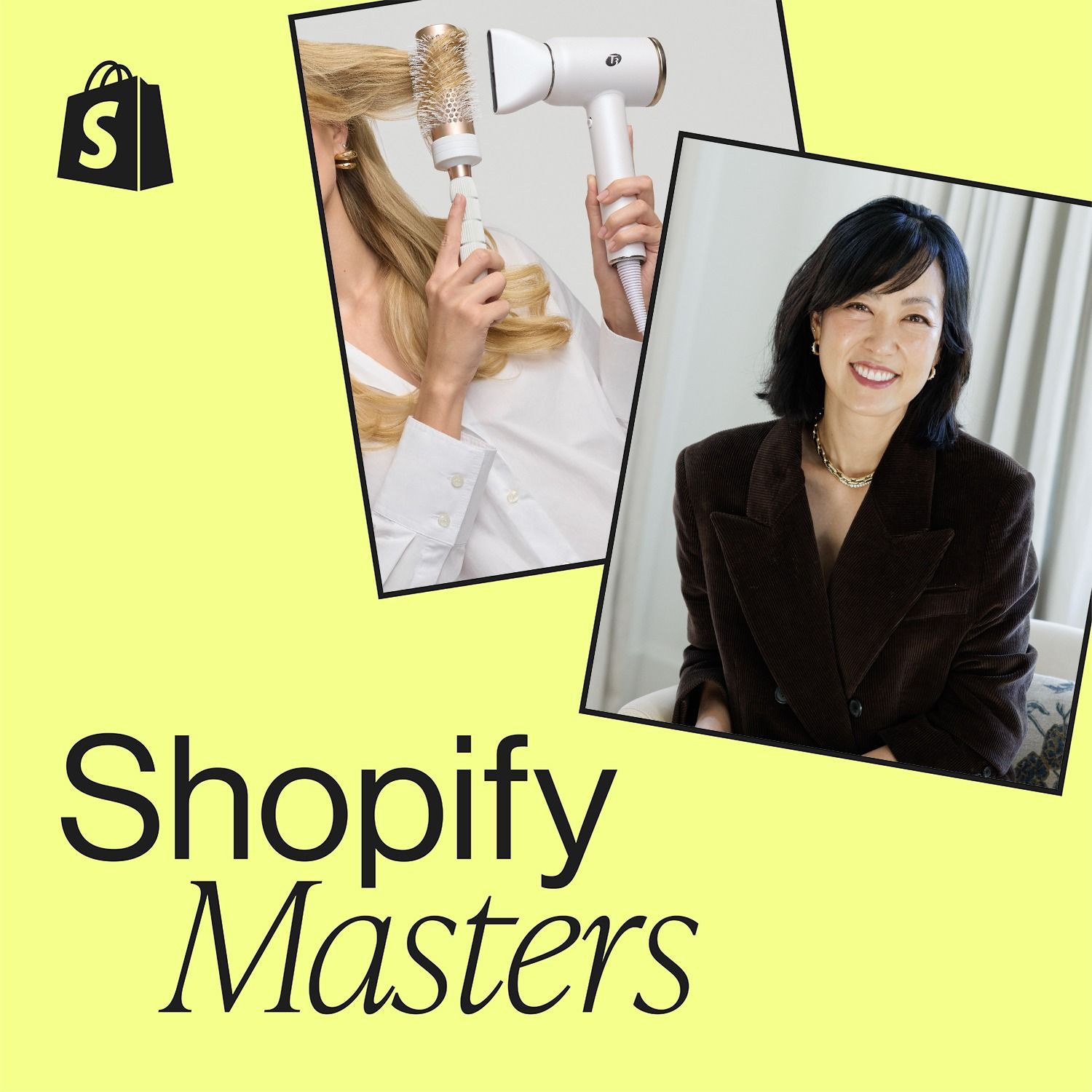
When Sephora first approached T3, their request was to create a Sephora-branded hair dryer. Despite being a young, bootstrapped company, T3 declined the white-label opportunity. They insisted on selling under their own brand name, a crucial decision that allowed them to build long-term brand equity instead of becoming a disposable supplier.
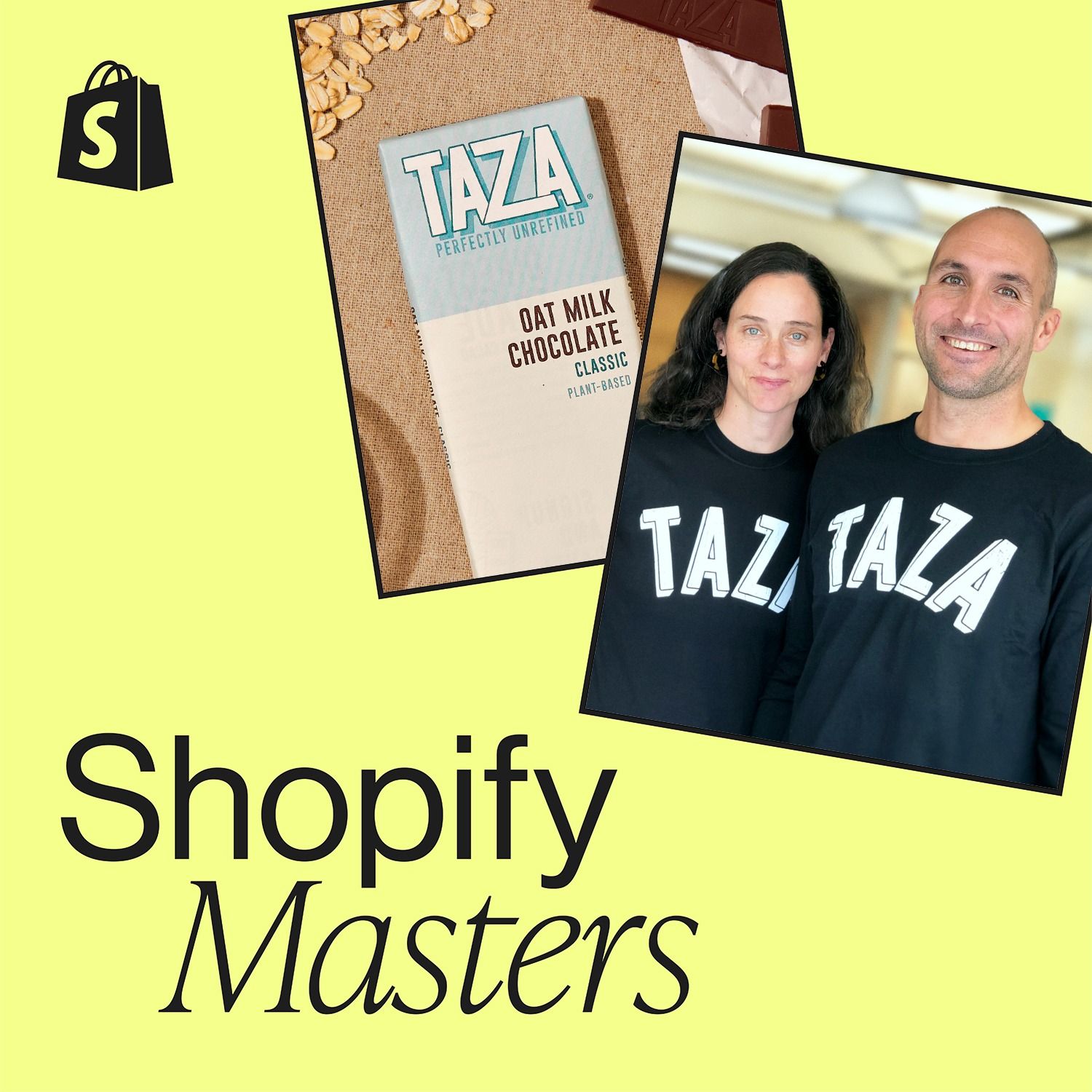
Taza resisted the huge trend of sugar-free chocolate because they couldn't create a version that met their high flavor standards. By refusing to compromise their core product principles, they maintained brand integrity, which was validated when consumer preference swung back to "real" ingredients.
Todd Graves explains that while his franchisees were exceptional (rated 85/100), they couldn't match the meticulous quality of corporate-run stores (95/100). This gap, plus the inefficiency of implementing changes across a franchise system, drove his preference for corporate ownership to maintain ultimate brand integrity.

To preserve brand exclusivity for a hot brand like Miu Miu, the default answer to expansion opportunities, such as new stores or categories, is 'no.' This disciplined refusal to chase short-term success protects the long-term value and allure of the brand.

For premium brands like Coterie, the choice of retail partner is a branding decision. A retailer's reputation for quality reinforces the product's own values, while a poor retail environment like a messy shelf can actively dilute brand equity.
Nana Joe's Granola founder describes walking away from two investment deals at the final stage. One investor tried to take more equity last-minute, while another demanded she abandon organic certification. Her experience proves the necessity of protecting brand integrity over securing capital.
The founders are extremely selective, rejecting most potential partnerships and opportunities. This discipline ensures every decision aligns with their long-term vision and values, preventing brand dilution and allowing them to grow in a way that feels organic and intentional.
After a partner changed a product's formula and wiped out his sales, Daniel Lubetzky learned a vital lesson. For KIND, he insisted on owning the recipes and controlling the manufacturing process to ensure brand consistency and prevent external decisions from destroying his business.