Get your free personalized podcast brief
We scan new podcasts and send you the top 5 insights daily.
To preserve brand exclusivity for a hot brand like Miu Miu, the default answer to expansion opportunities, such as new stores or categories, is 'no.' This disciplined refusal to chase short-term success protects the long-term value and allure of the brand.

Related Insights
After years of unsustainable growth, the luxury industry must return to its core principles: exclusivity, dreams, experience, and hospitality. This isn't a new paradigm, but a return to the foundational values that defined luxury before the recent boom, which Prada's CEO calls the 'old normal'.
Luxury travel brands can avoid commoditization by emulating Hermès. This involves maintaining scarcity (like waiting lists for bags), implementing moderate and sensible price increases, and preserving an exclusive, high-touch customer experience. This strategy builds long-term brand value over short-term volume growth.

Coterie maintains its premium brand status by systematically rejecting initiatives that don't meet an extremely high bar. If a new product isn't 'demonstratively better' or in direct service to the customer, the company kills the project, protecting its brand and focus.

When expanding into new categories, Heaven Mayhem's first filter is "Is this an accessory that fits our world?" not "How will this impact AOV?". This brand-first approach accepts metric trade-offs, like a lower AOV for new customer acquisition, to maintain a cohesive brand identity.

Despite data showing high demand, Hallie Meyer instinctively "presses the brakes" on scaling her ice cream business. She fears that rapid growth could "burst the bubble of obsession" customers have with the product and its intimate experience, consciously prioritizing brand love over immediate expansion.

Believing 'Pray' can be an enduring brand like 'Levi's,' the founder's mindset isn't focused on hitting short-term metrics like revenue or DAUs. Instead, his primary job is to be a steward, laying a solid cultural and operational foundation to ensure the brand thrives for generations beyond his tenure.
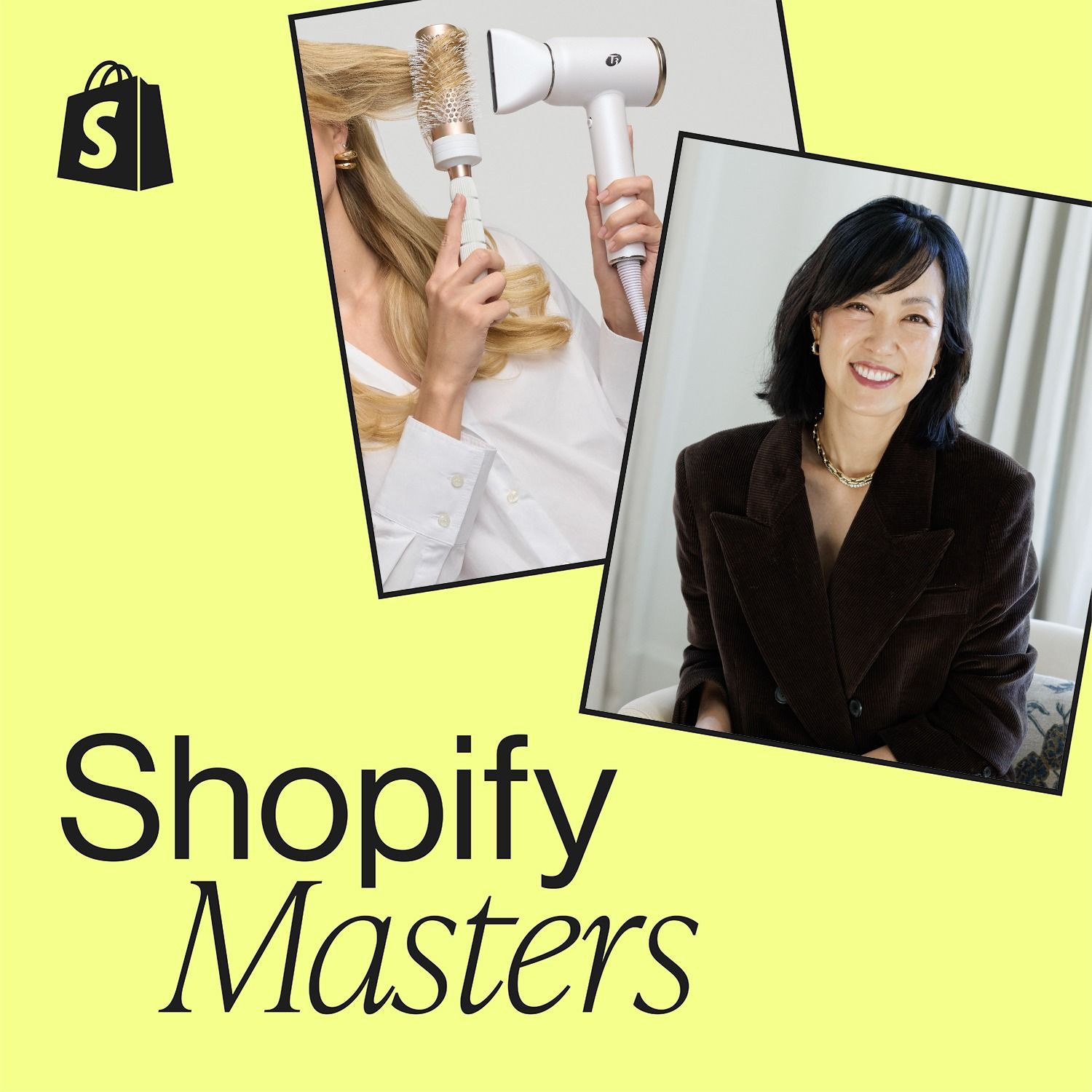
When Sephora first approached T3, their request was to create a Sephora-branded hair dryer. Despite being a young, bootstrapped company, T3 declined the white-label opportunity. They insisted on selling under their own brand name, a crucial decision that allowed them to build long-term brand equity instead of becoming a disposable supplier.
For premium retail brands, avoiding the temptation to discount is crucial. Lululemon's strategy to rarely offer sales, even when certain styles fall flat, demonstrates a focus on long-term brand preservation over short-term earnings boosts, a key positive indicator for investors.
Eliminating a popular and profitable product line can be a wise long-term strategy. If a product, even a bestseller, creates brand confusion or pulls focus from your core vision, cutting it can strengthen your primary brand's identity and lead to more dedicated growth.

The founders are extremely selective, rejecting most potential partnerships and opportunities. This discipline ensures every decision aligns with their long-term vision and values, preventing brand dilution and allowing them to grow in a way that feels organic and intentional.