Get your free personalized podcast brief
We scan new podcasts and send you the top 5 insights daily.
Steve Madden rejects the traditional, seasonal fashion calendar by selling items like boots and suede year-round. This "seasonless" strategy turns products with expiration dates into evergreen assets, avoiding the profit-crushing end-of-season markdowns that plague the retail industry.

Related Insights
Instead of discounting old inventory, Larroudé offers a pre-order discount on new collections, similar to an early-bird airline ticket. This "direct-to-demand" model incentivizes customers to commit early, which funds production, eliminates excess inventory risk, and improves the brand's cash flow and profitability.
For a seasonal business not yet profitable, the urge is to add off-season products. Mark Cuban advises against this, urging founders to use downtime to aggressively optimize supply chains and achieve core profitability first.

To manage a SKU-intensive category, Glamnetic focuses on a core collection of evergreen styles that sell consistently. This stable base is supplemented with newness through seasonal collections and collaborations, driving excitement and capturing trends without over-investing in unproven styles.

By eliminating seasonal colors to focus only on her bestseller—black—handbag brand Sonya Lee could place larger bulk leather orders. This allowed her to bypass wholesalers and source directly from a premium tannery, dramatically improving margins, ensuring material traceability, and making capital more efficient.
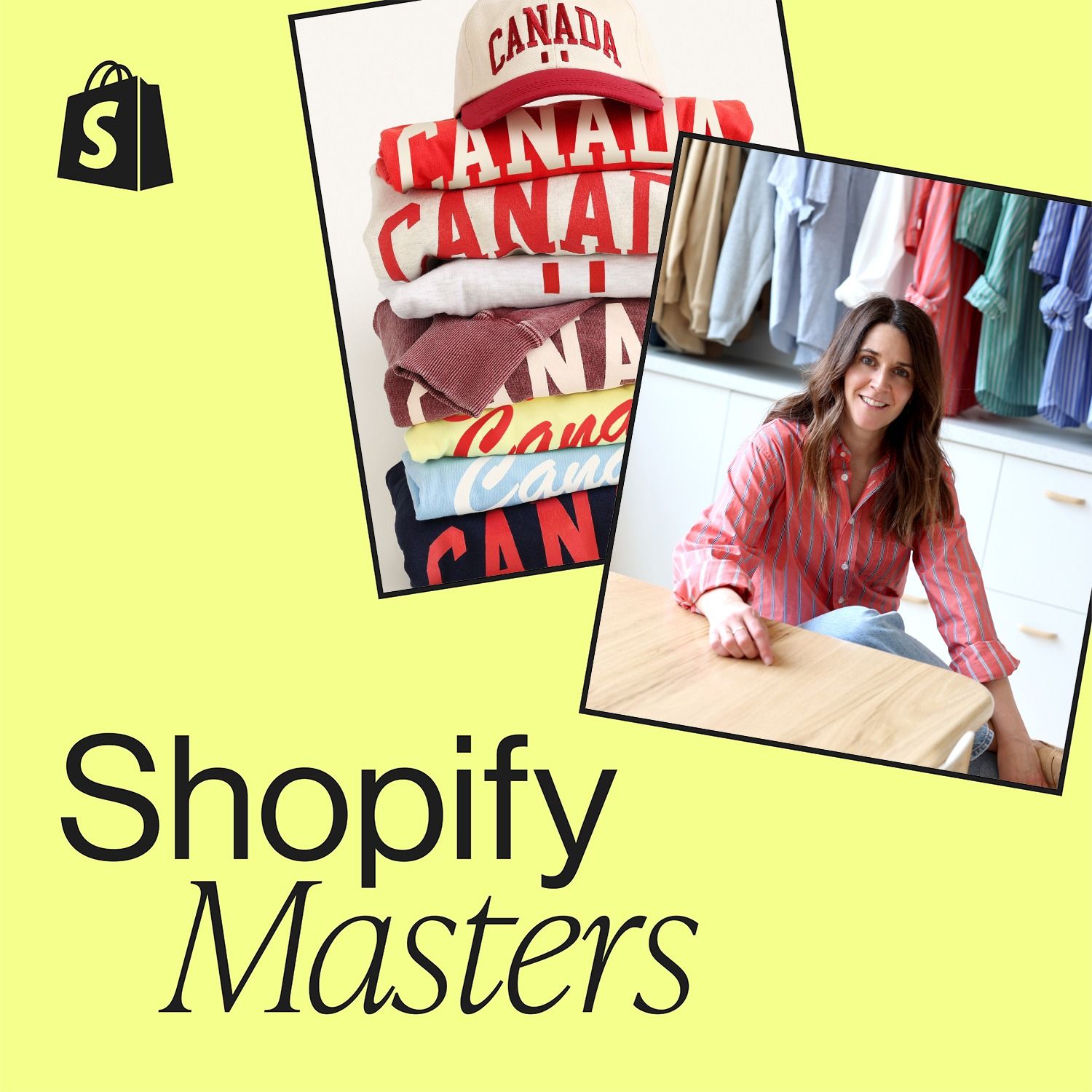
Province of Canada intentionally built an 'anti-fashion' brand by focusing on timeless basics rather than seasonal collections. This simplifies inventory, creates dependable products for customers, and allowed them to avoid the high-pressure, discount-driven wholesale cycle, leading to a more stable business.
For premium retail brands, avoiding the temptation to discount is crucial. Lululemon's strategy to rarely offer sales, even when certain styles fall flat, demonstrates a focus on long-term brand preservation over short-term earnings boosts, a key positive indicator for investors.

A smart growth strategy is to ignore fleeting micro-trends and instead focus on proven bestsellers. By creating variations and expanding on successful designs, brands can develop entirely new product categories based on existing customer love.

The fashion industry, which usually relies on a single dominant trend, is now seeing multiple jean styles (skinny, baggy, wide) trend simultaneously. This "deregulated era" is a boon for brands like Levi's, who can sell a diverse portfolio of fits to the same customer, boosting overall sales.

Fast-fashion retailer Shein avoids the perpetual sales common in retail by limiting its factory purchase orders to a maximum of 200 items per style. This prevents overstocking and the need to dump excess inventory at a discount, protecting its margins.

Uniqlo's global success isn't from following fast fashion trends, but by rejecting them. The company focuses on high-quality, long-lasting basics and innovative functional fabrics like Heattech, creating a universally appealing brand that prioritizes durability and value over fleeting styles.