Get your free personalized podcast brief
We scan new podcasts and send you the top 5 insights daily.
To manage a SKU-intensive category, Glamnetic focuses on a core collection of evergreen styles that sell consistently. This stable base is supplemented with newness through seasonal collections and collaborations, driving excitement and capturing trends without over-investing in unproven styles.

Related Insights
Unlike makeup brands with hundreds of SKUs, Beauty Blender launched with just one product. This simplicity made inventory management, financial commitments, and scaling into thousands of retail doors significantly easier and less capital-intensive for the self-funded company.

Avoid a fixed allocation of resources between core products and new initiatives. Instead, treat the investment mix as "seasonal." Periodically and purposefully reassess the balance based on the most pressing business needs—whether it's stabilizing the core for large customers or pushing aggressively into new markets for growth.

Despite achieving massive success with magnetic lashes, Glamnetic recognized the lash category's post-COVID market was shrinking. They made the difficult decision to pivot into nails, a more sustainable category, rather than cling to the single product that made them famous.
After an acquisition, don't try to learn and sell the entire new product catalog at once. This leads to overwhelm. Instead, select a small, relevant batch of products (e.g., five) to focus on for a set period, then rotate to a new batch. This creates a manageable, step-by-step learning process.

Fashion partnerships allow brands to quickly get physical products to market (6-9 months) and test consumer appetite. The "limited drop" model creates urgency and allows for experimentation—like "tapas instead of a big meal"—without the long lead times of other product categories.

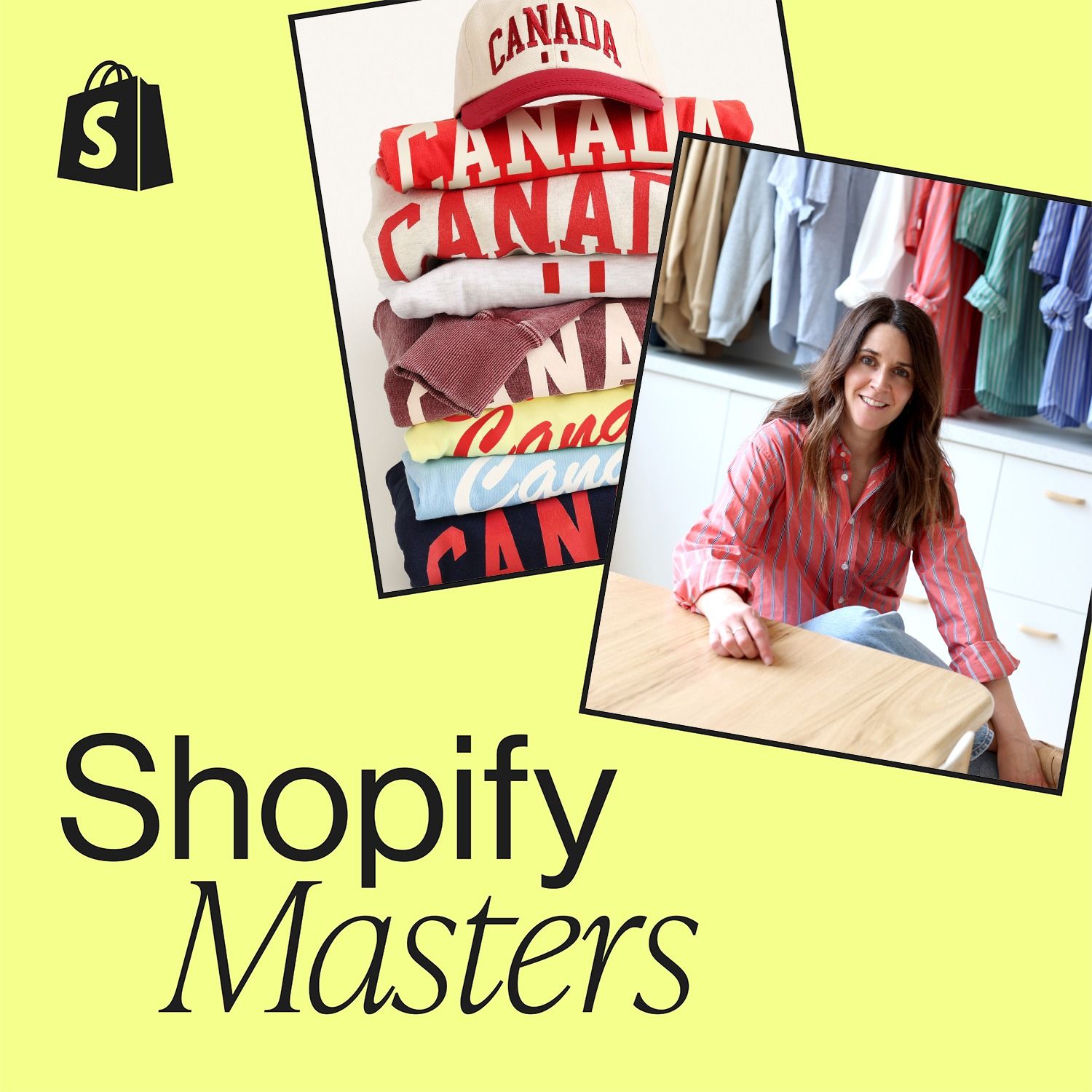
Province of Canada intentionally built an 'anti-fashion' brand by focusing on timeless basics rather than seasonal collections. This simplifies inventory, creates dependable products for customers, and allowed them to avoid the high-pressure, discount-driven wholesale cycle, leading to a more stable business.
A smart growth strategy is to ignore fleeting micro-trends and instead focus on proven bestsellers. By creating variations and expanding on successful designs, brands can develop entirely new product categories based on existing customer love.

By selling multiple versions of the same album with minor variations like different colors, Taylor Swift employs a strategy called 'versioning.' This tactic transforms a single purchase into multiple sales from the same customer, creating 'super fans' and boosting profit margins. It's a powerful model for any business with a core product.

While seeing promising D2C data for nails, the stark difference in retail shelf space—60+ SKUs for nails versus only 6-7 for lashes in stores like Ulta—solidified the strategic shift. This physical retail constraint was a key indicator of the larger market opportunity.
Launching a new brand with too many products confuses potential customers and dilutes the core message. A focused, limited range (e.g., five SKUs) helps consumers understand the brand's value proposition and makes the initial purchase decision easier.
