Get your free personalized podcast brief
We scan new podcasts and send you the top 5 insights daily.
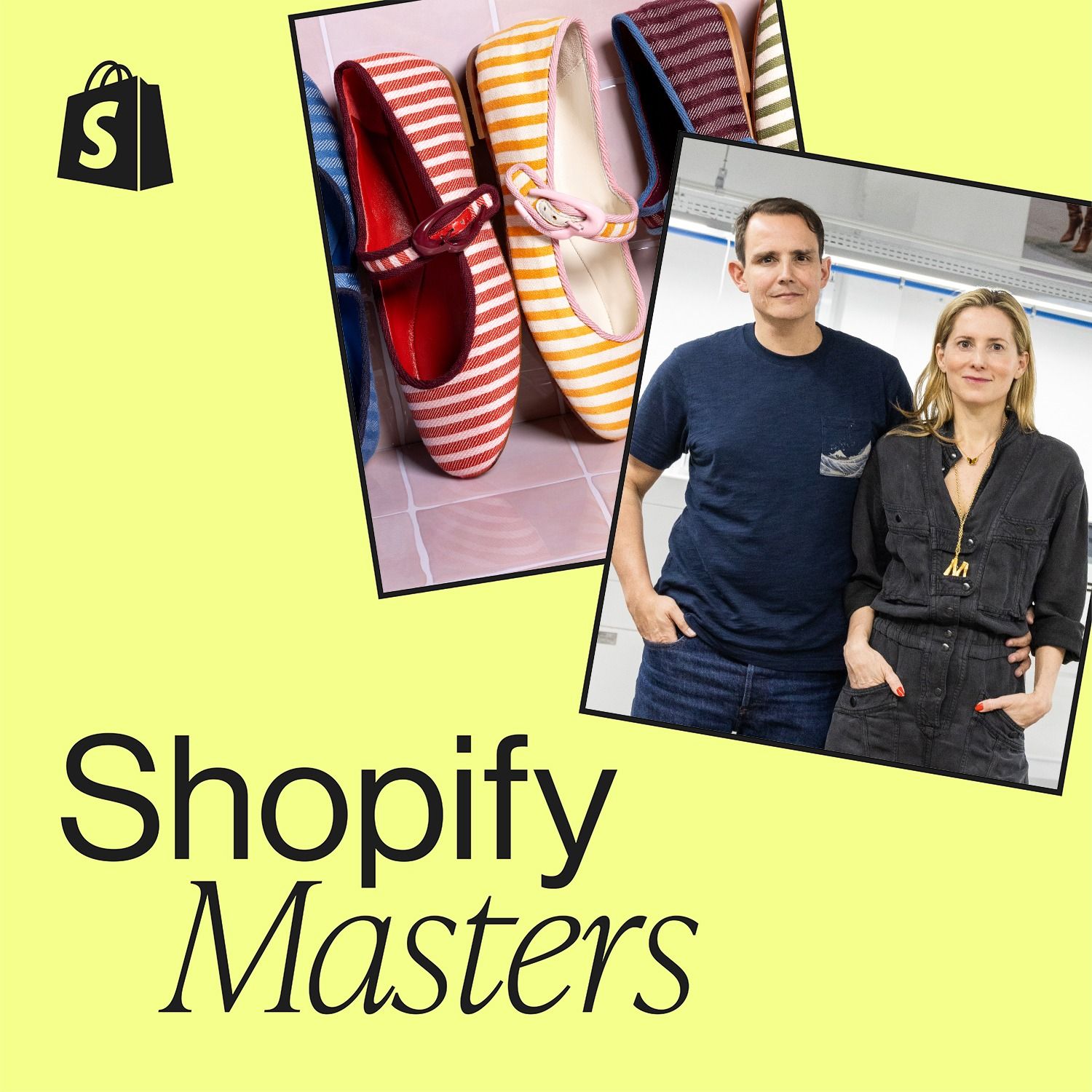
Instead of discounting old inventory, Larroudé offers a pre-order discount on new collections, similar to an early-bird airline ticket. This "direct-to-demand" model incentivizes customers to commit early, which funds production, eliminates excess inventory risk, and improves the brand's cash flow and profitability.
Related Insights
Comfort offers customers a discount to 'pre-order' items, even if they are in stock, in exchange for waiting longer for delivery. This generates immediate, upfront cash flow that the bootstrapped company uses to fund large inventory purchase orders without external capital.

Instead of offering direct discounts, which can devalue products, consider a double or triple loyalty point event. This strategy incentivizes customers to spend more to earn future rewards, effectively driving sales while encouraging repeat visits and fostering long-term loyalty. It costs little while giving customers a strong incentive.

Offer a significant, permanent discount exclusively to customers who sign up before a product or location officially launches. This creates urgency and scarcity, driving a large influx of initial customers and ensuring immediate profitability from day one.

Constantly discounting your main product trains customers to wait for sales and devalues your brand. Instead, splinter off a small component of your core offer and discount that piece heavily. This acquires customers and builds trust without cannibalizing the perceived value of your full-priced core offer.

Peak Design's "omni-channel sandwich" strategy launches products to a small group of "get it first" Kickstarter backers, then sells them in retail stores at full price, and finally fulfills the bulk of "wait and save" Kickstarter orders. This pulls revenue forward and captures seasonal demand, despite risking backlash from some backers.
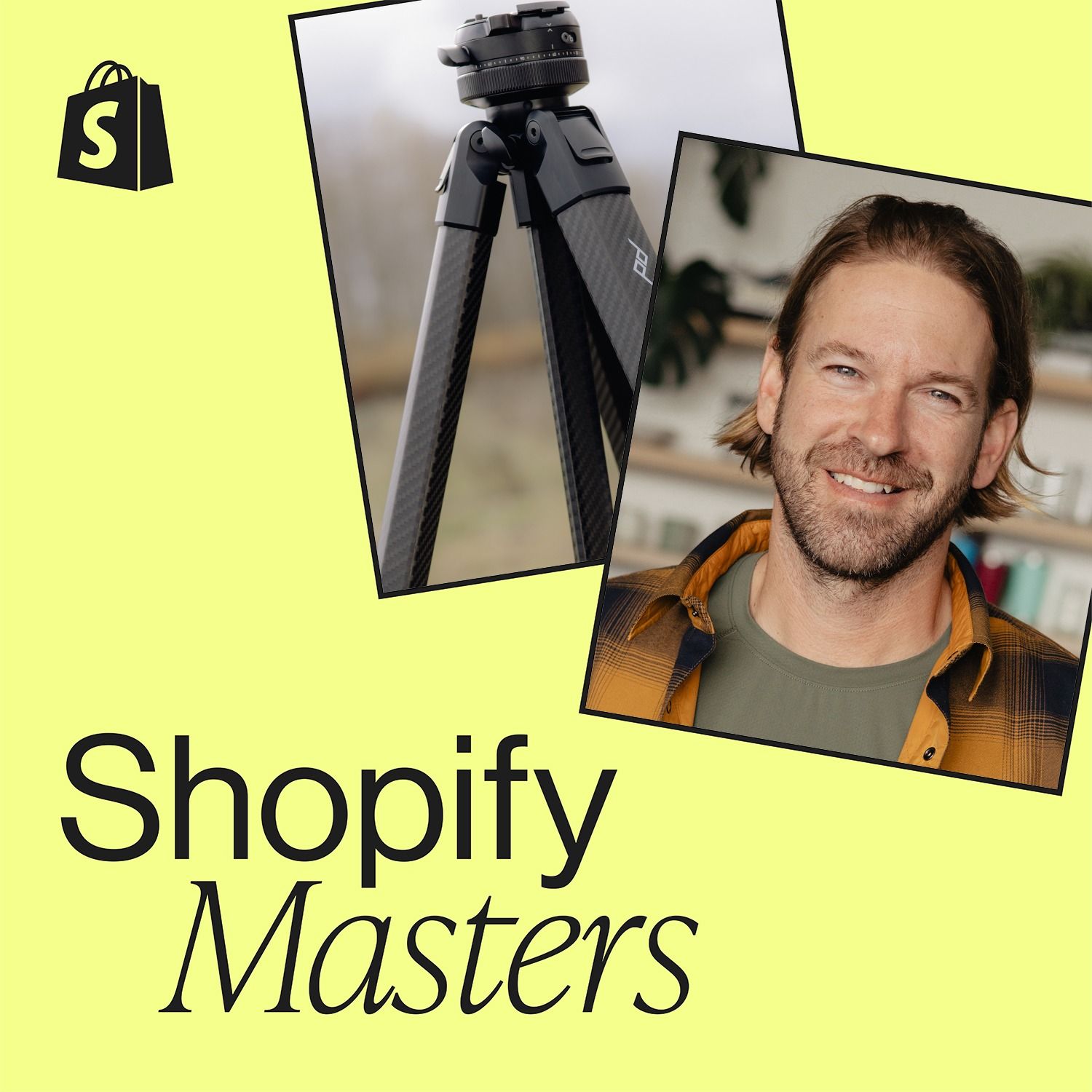
For D2C fashion brands, the inability of third-party suppliers to quickly fulfill reorders on trending products is a key trigger for vertical integration. Larroudé's co-founder realized the cost of one large factory order was equivalent to buying the machinery himself, enabling them to meet demand in weeks, not months.
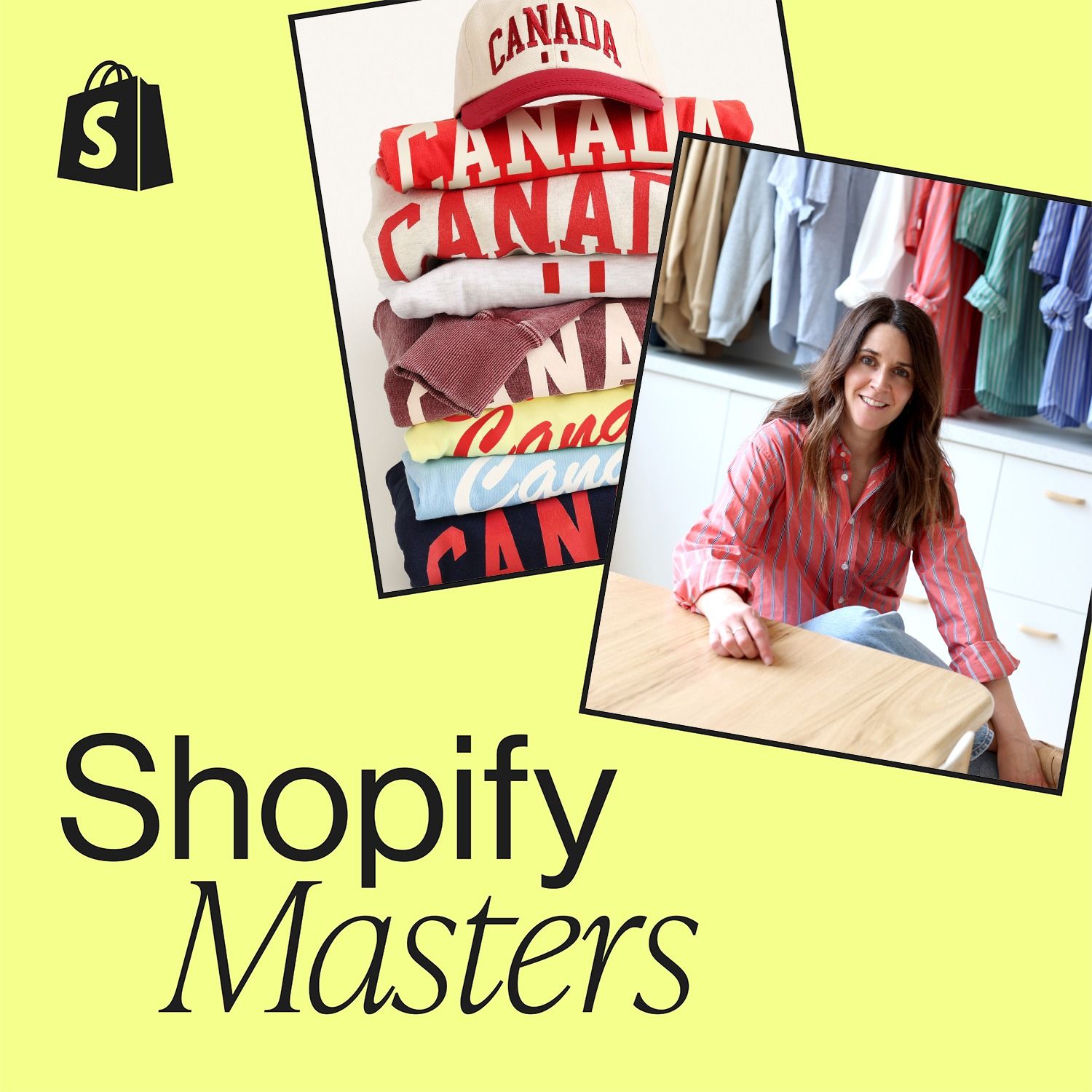
Province of Canada intentionally built an 'anti-fashion' brand by focusing on timeless basics rather than seasonal collections. This simplifies inventory, creates dependable products for customers, and allowed them to avoid the high-pressure, discount-driven wholesale cycle, leading to a more stable business.
For premium retail brands, avoiding the temptation to discount is crucial. Lululemon's strategy to rarely offer sales, even when certain styles fall flat, demonstrates a focus on long-term brand preservation over short-term earnings boosts, a key positive indicator for investors.
Comfort strategically adjusts prices based on stock availability, not just demand. For fast-selling items, they increase the price to slow sales velocity, ensuring they stay in stock longer and avoid disappointing customers. This prioritizes long-term stability over short-term sales volume.
When pressured to hit quarterly targets with promotions, use a simple filter: 'Does this action increase the long-term desirability of my full-price product?' This framework helps balance immediate revenue needs with the crucial goal of protecting and building brand equity, preventing a downward spiral of discounting.
