Get your free personalized podcast brief
We scan new podcasts and send you the top 5 insights daily.
The primary concern for Gulf nations is the "day after" a US-led conflict. They fear a scenario where the US declares victory and departs, leaving them to deal with a weakened but still dangerous and vengeful Iranian regime, similar to Saddam Hussein's Iraq after 1991.

Related Insights
Countries like the UAE and Saudi Arabia are ambivalent about US military action. Their primary fear is not a full-scale war, but a limited 'hit-and-run' strike where the US attacks and then diverts attention, leaving them 'naked and vulnerable' to Iranian retaliation without a long-term American security presence.

The bombing campaign, aimed at regime change, could be counterproductive. Prior to the conflict, Iran's regime was seen as unpopular and frail, potentially heading for collapse or moderation. The external attack risks creating a rally-round-the-flag effect, allowing the regime to consolidate power where mere survival becomes a victory.
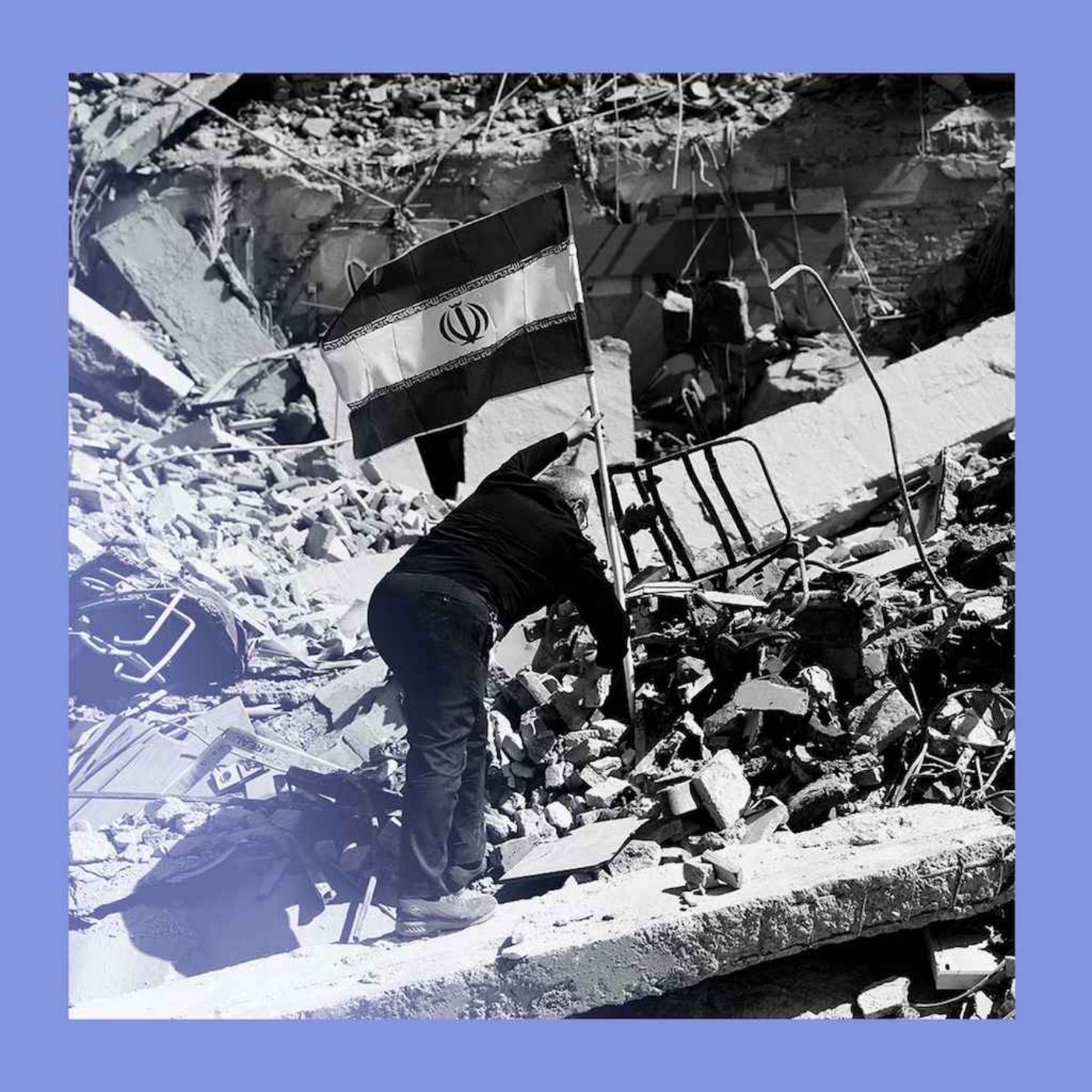
The US military action, especially the blockade of the Straits of Hormuz, is harming Gulf nations economically. Instead of strengthening an anti-Iran coalition, this 'half-baked' approach is eroding goodwill and pushing these crucial partners away, undermining the primary strategic benefit of the operation.
Destroying Iran's conventional military without toppling the regime could create a cornered, vengeful state. Lacking other options and led by a leader whose father was just killed, it might turn to asymmetric warfare like terrorism to retaliate for its humiliation and losses.
The primary force preventing a collapse of the Iranian regime isn't its own strength, but fear among its neighbors. Countries like Turkey and Pakistan worry a collapse would lead to a massive refugee crisis and empower separatist movements on their borders, creating a strong regional bias for stability.

Advocates for regime change in Iran ignore the lessons of Iraq and Afghanistan. Destroying the existing regime is far easier than building a new, stable government. The US has a poor track record, spending trillions and thousands of lives in similar efforts only to see the original powers, like the Taliban, return.
The US and Israel are operationally successful in degrading Iran's military capabilities. However, leadership has failed to articulate a coherent strategic objective for the war, making it difficult to define victory or know when the conflict will end.

Even if the US withdraws from the conflict, Iran has demonstrated its willingness to attack Gulf oil infrastructure. This establishes a new, persistent risk, fundamentally changing the security calculus and embedding a long-term price premium into the market that presidential rhetoric alone cannot erase.
The main driver for US action against Iran is to stabilize the Gulf region to secure over $2 trillion in investment deals with Saudi Arabia, Qatar, and the UAE. These deals are the centerpiece of Trump's economic agenda, making the threat from Iran an existential economic one.

Iran's attacks on Gulf states are a calculated strategy to distribute the conflict's costs. By disrupting commerce, tourism, and daily life across the region, Tehran hopes to generate enough pressure from Gulf leaders on the US to end the war with security guarantees for Iran.