Get your free personalized podcast brief
We scan new podcasts and send you the top 5 insights daily.
The "Got Milk?" campaign illustrates how to build a powerful brand for an undifferentiated commodity. By focusing on the emotional, everyday experiences associated with the product, it created cultural relevance and affective importance, effectively raising the profile of the entire milk category rather than a single company.
Related Insights
To truly change a brand's narrative, marketing's 'talking the talk' is insufficient. The product experience itself must embody the desired story. This 'walking the walk' through the product is the most powerful way to shape core brand perception and make the narrative shareable.
Marcus Collins explains that brands limited to their product (e.g., toothpaste) have little to talk about. However, a brand with a broader ideology (like Nike's belief that "Every human body is an athlete") gains entry and authority to engage in wider cultural discourse, creating significant energy and relevance.
Unilever uses its SASSY framework (Science, Aesthetics, Sensorials, Said-by-others, Young-spirited) to create desirability. This model systematically elevates brands from functional "needs" to emotional "I have to have that" wants, applicable even to everyday products.

Enduring 'stay-up' brands don't need to fundamentally reinvent their core product. Instead, they should focus on creating opportunities for consumers to 'reappraise' the brand in a current context. The goal is to make the familiar feel fresh and relevant again, connecting it to modern culture.
A study showed a purely emotional bank ad drove higher scores on rational attributes like "good customer service" than an ad that explicitly stated those facts. Making consumers feel good about a brand leads them to assume the rational proof points are also true.
Most product categories are commodities with minimal functional differences. Success, as shown by Liquid Death in the water category, hinges on building an emotional connection through branding and packaging, which are the primary drivers of consumer choice over minor product benefits.

Brands, particularly in B2B, are often too serious and miss the power of humor. Laughter releases bonding hormones like oxytocin, creating an instant connection with an audience. It's a universal language that can dissolve conflict and make a brand more human and memorable.

In a crowded market, brand is defined by the product experience, not marketing campaigns. Every interaction must evoke the intended brand feeling (e.g., "lovable"). This transforms brand into a core product responsibility and creates a powerful, defensible moat that activates word-of-mouth and differentiates you from competitors.

Simply adding a celebrity to an ad provides no average lift in effectiveness. Instead, marketers should treat the brand’s own distinctive assets—like logos, sounds, or product truths—as the true 'celebrities' of the campaign. This builds stronger, more memorable brand linkage and long-term equity.
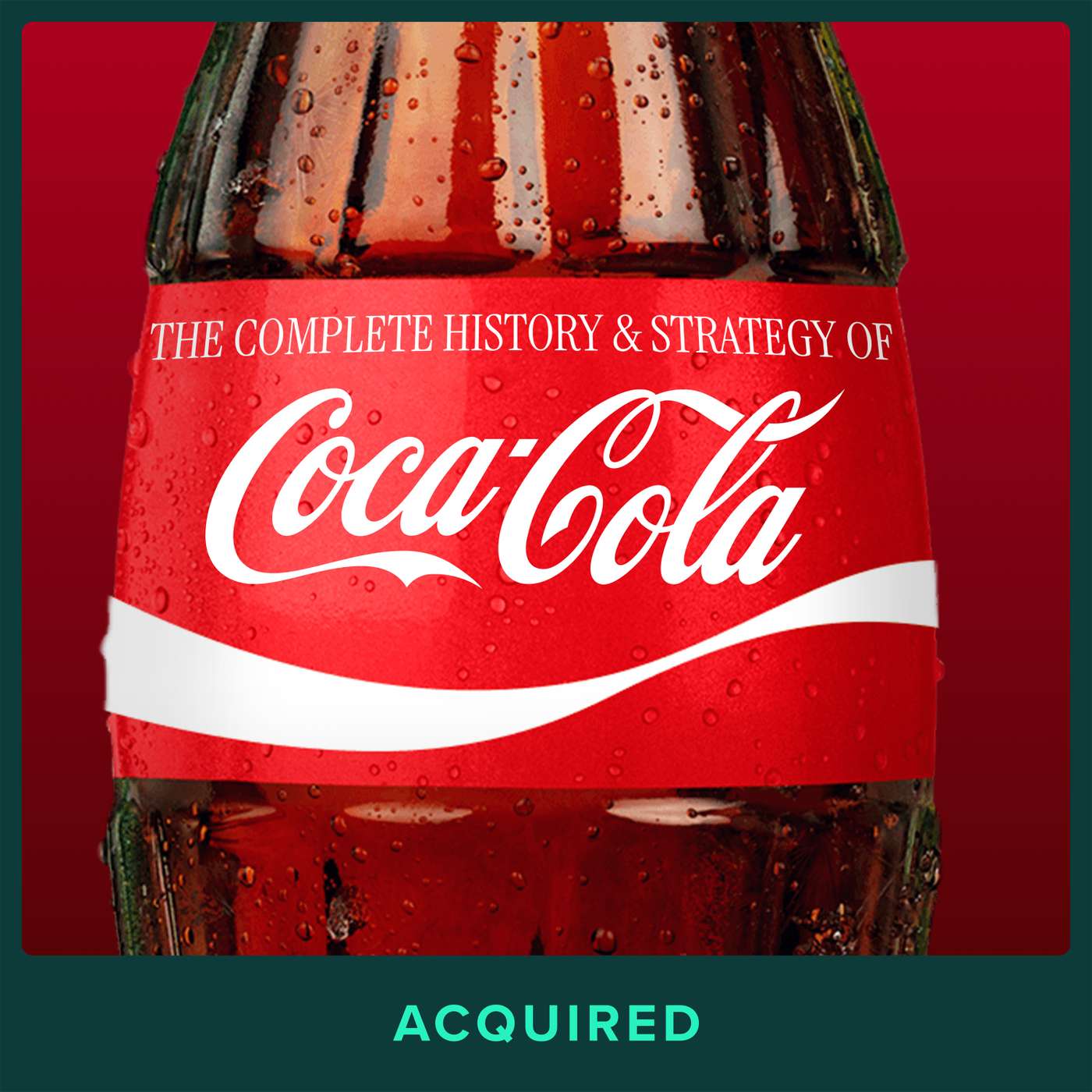
Coca-Cola pioneered lifestyle advertising by shifting from promoting intrinsic product qualities (a "brain tonic") to extrinsic associations. They linked the brand to universal positive emotions like happiness, friendship, and Christmas, making the product a symbol rather than just a beverage.