Get your free personalized podcast brief
We scan new podcasts and send you the top 5 insights daily.
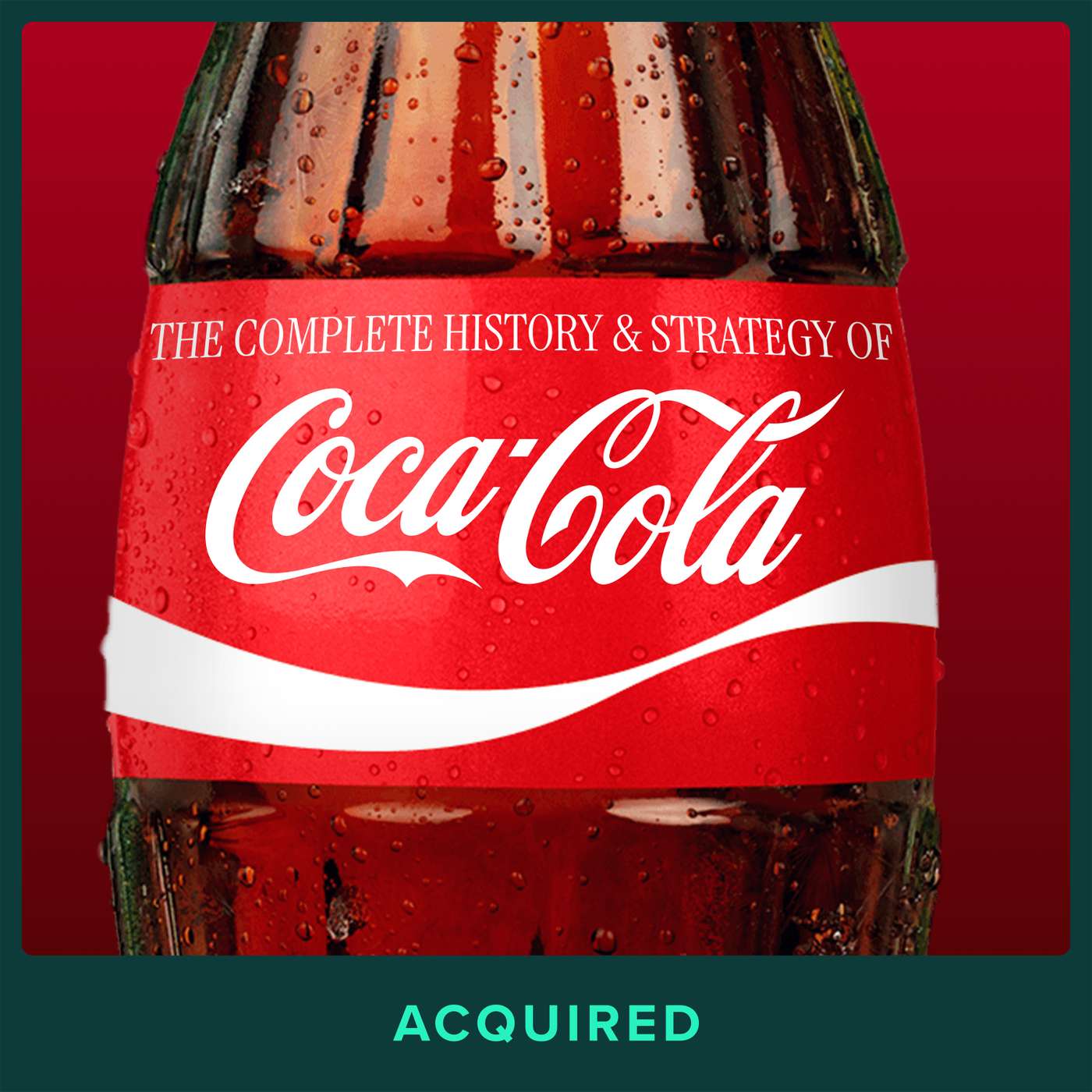
Coca-Cola pioneered lifestyle advertising by shifting from promoting intrinsic product qualities (a "brain tonic") to extrinsic associations. They linked the brand to universal positive emotions like happiness, friendship, and Christmas, making the product a symbol rather than just a beverage.
Related Insights
To truly change a brand's narrative, marketing's 'talking the talk' is insufficient. The product experience itself must embody the desired story. This 'walking the walk' through the product is the most powerful way to shape core brand perception and make the narrative shareable.
AI in creative doesn't have to dilute a brand. Coca-Cola's successful holiday ad used AI, but its high brand recall (83%) was driven by focusing on iconic assets like Santa. The AI execution was effective because it was largely invisible, proving the creative idea still drives the ad, not the tech.
Our desire for consumption isn't innate; it was engineered. Kate Raworth highlights how Edward Bernays, Sigmund Freud's nephew, applied psychotherapy principles to advertising. He created "retail therapy" by convincing us that buying things could satisfy fundamental human needs for love, admiration, and belonging.

Most product categories are commodities with minimal functional differences. Success, as shown by Liquid Death in the water category, hinges on building an emotional connection through branding and packaging, which are the primary drivers of consumer choice over minor product benefits.

Delta's most effective Olympic advertising wasn't its commercials, but its sponsorship of the medal ceremony. The emotional connection viewers felt during that moment, associated with the Delta brand, drove more impact than a standard ad spot, highlighting the power of integrated marketing.

While media coverage suggests public disdain for AI-generated ads, Coca-Cola's consumer data shows high approval scores. This highlights a critical gap between the sentiment of a threatened media industry and actual consumer behavior, suggesting audiences care more about the final product than its AI origin.

In a crowded market, brand is defined by the product experience, not marketing campaigns. Every interaction must evoke the intended brand feeling (e.g., "lovable"). This transforms brand into a core product responsibility and creates a powerful, defensible moat that activates word-of-mouth and differentiates you from competitors.

The disastrous "New Coke" launch, intended to win taste tests, triggered a massive public outcry that demonstrated the brand's deep cultural power. By bringing back "Coca-Cola Classic," the company inadvertently created the most effective marketing campaign imaginable, reminding consumers of their love for the original and halting Pepsi's momentum.
The differing styles of holiday advertising reflect distinct economic realities. The UK's focus on emotional, brand-building "mini-movies" contrasts with the US's faster-paced, transactional approach, which is driven by a more competitive, crowded market.
LoveSack operated successfully for years based on product instinct alone. However, transformational growth occurred only after the company intentionally defined its core brand philosophy—'Designed for Life'—and then amplified that clear message with advertising. This shows that a well-defined brand story is a powerful, distinct growth lever, separate from initial product-market fit.