Get your free personalized podcast brief
We scan new podcasts and send you the top 5 insights daily.
At 16, Kit Chilvers chose a hands-on apprenticeship at viral publisher Ladbible over traditional education. This role gave him direct access to experienced media professionals from Vice and the BBC, teaching him the commercial side of the business and providing the blueprint for his own company.

Related Insights
Rather than trying to start a new venture from scratch, ambitious young people should find a master in their field and make themselves useful. By helping with menial tasks and demonstrating value over time, they can earn a place on the team and gain invaluable experience that is impossible to acquire alone.

Spending years building a business for someone else (even a parent) while being undercompensated is a powerful training ground. It forces a level of conviction, humility, and delayed gratification that can lead to explosive growth once you start your own venture.

Palantir's Meritocracy Fellowship offers full-time roles to high school graduates, directly competing with elite universities like Brown. This radical talent acquisition strategy bets that on-the-job training and a customized curriculum can create better employees than traditional higher education.

The Profound CEO's decision to start a door-to-door gold-selling business instead of attending university was a formative "breakout of the matrix moment." This early, unconventional success instilled a deep-seated belief that one can forge their own path without following a traditional script.
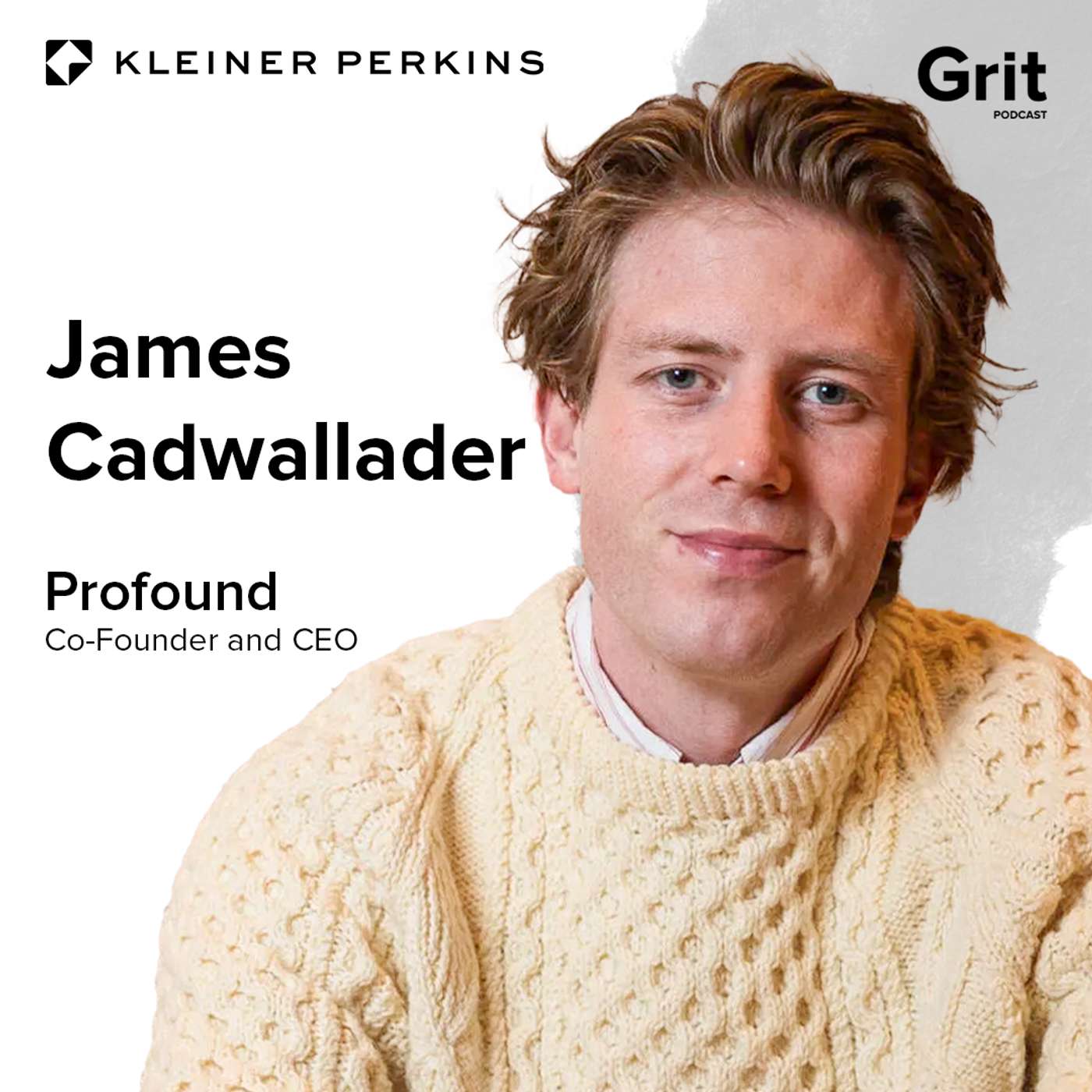
CEOs of ElevenLabs and Lovable argue their time at companies like Palantir and Google was essential for learning to build at scale, understand customer problems, and develop ambitious ideas. They doubt they would have succeeded starting right out of school.

Co-founder Rashid Ali, feeling family pressure for not having a master's degree, reframed his entrepreneurial journey. He treated building Chomps as a practical, hands-on business education, ultimately proving its value over a traditional MBA by building a billion-dollar brand.

Kit Chilvers intentionally positioned Puberty Group to fill a market gap for positive, wholesome social media content. He sourced undiscovered heartwarming stories from niche Reddit communities, repackaged them for Instagram, and built a massive brand around universally understood, uplifting narratives.
Roka News's founders built their initial media skills and network by taking over a neglected podcast at their think tank employer. This provided a low-risk environment to experiment and gain access to high-profile guests, which gave them the confidence to launch their own venture.
Lacking a traditional resume forces young founders to constantly learn, as they have no preconceived notions of how things 'should' be done. This contrasts with experienced leaders who might wrongly assume their past success provides a playbook for a new market or company stage.

The founder hired an experienced CEO and then rotated through leadership roles in different departments (brand, product, tech). This created a self-designed, high-stakes apprenticeship, allowing him to learn every facet of the business from experts before confidently retaking the CEO role.
