Get your free personalized podcast brief
We scan new podcasts and send you the top 5 insights daily.
Palantir's Meritocracy Fellowship offers full-time roles to high school graduates, directly competing with elite universities like Brown. This radical talent acquisition strategy bets that on-the-job training and a customized curriculum can create better employees than traditional higher education.

Related Insights
Bill Gates and Paul Allen deliberately hired young, enthusiastic programmers, often straight from university with bachelor's degrees. They believed it was better to get talent "before they were ruined by working somewhere else." This strategy allowed them to mold a unique, high-intensity engineering culture from scratch.

A key supply-side driver for the "American Dynamism" sector is the flow of experienced talent. Alumni from pioneering companies like Palantir, SpaceX, and Oculus are leaving to start new ventures, bringing deep domain expertise in building for complex government and industrial sectors.

Palantir's success stems from its "anti-playbook" culture. It maintains a flat, meritocratic structure that feels like a startup despite its size. This environment fosters original thinking and rewards those who excel outside of rigid, conventional frameworks, turning traditionally undervalued traits into strengths.
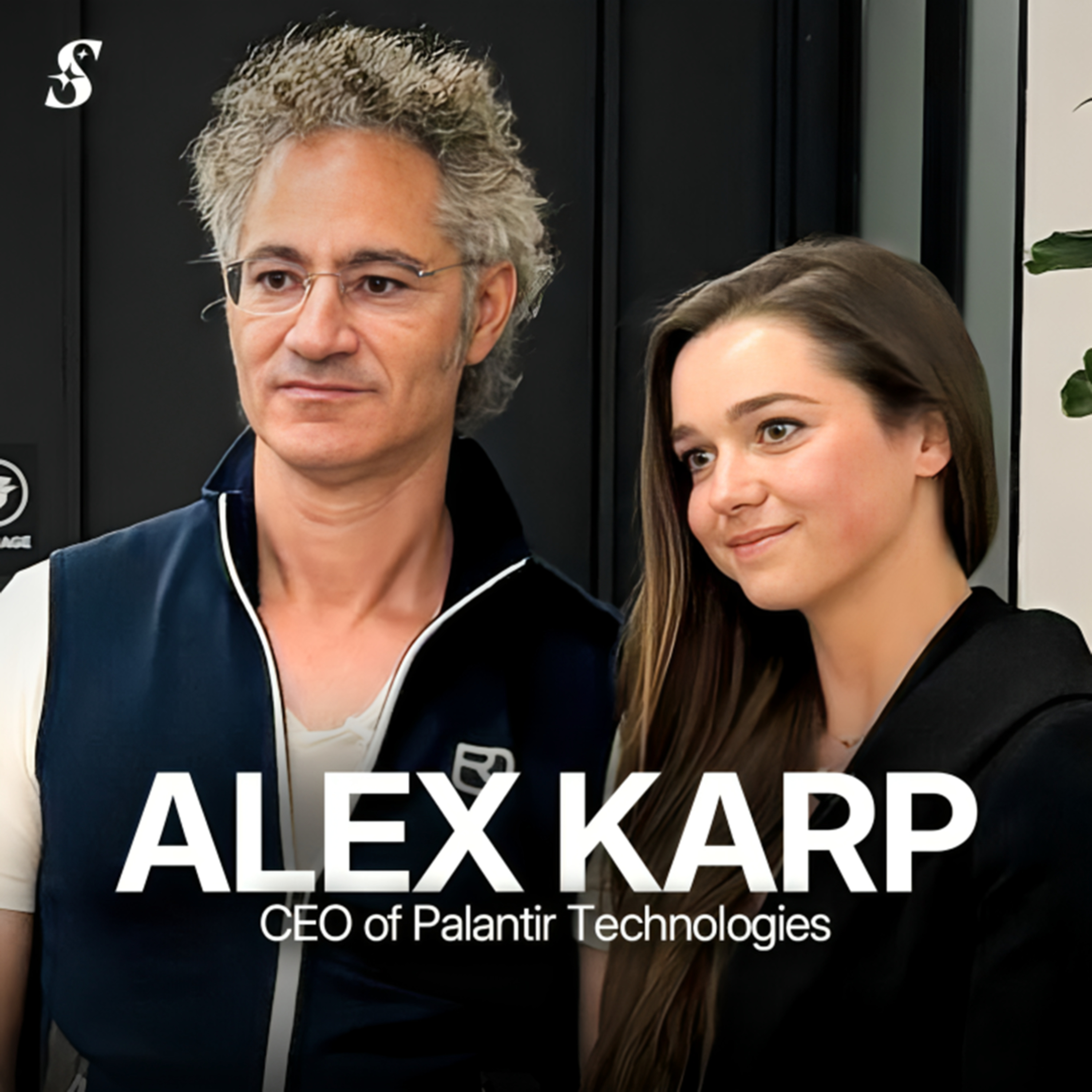
When building core AI technology, prioritize hiring 'AI-native' recent graduates over seasoned veterans. These individuals often possess a fearless execution mindset and a foundational understanding of new paradigms that is critical for building from the ground up, countering the traditional wisdom of hiring for experience.

Snap prefers hiring designers directly out of school, believing other tech companies instill bad habits like focusing on hierarchy over creative risk-taking. This approach, combined with a small, flat team structure, is designed to protect raw creativity.
The traditional value proposition of college is being challenged by AI tools that offer instant, expert-level information. For aspiring entrepreneurs, this shifts the calculus, making immediate real-world experience a more attractive and faster path to success than incurring debt for a formal degree.

Ramp's hiring philosophy prioritizes a candidate's trajectory and learning velocity ("slope") over their current experience level ("intercept"). They find young, driven individuals with high potential and give them significant responsibility. This approach cultivates a highly talented and loyal team that outperforms what they could afford to hire on the open market.

Palantir is challenging elite academia with its Fall Fellowship, which pays 18-year-olds instead of charging tuition. The program recruits top students who would otherwise attend Harvard or Yale, offering performance reviews instead of grades and real-world national security projects instead of classes, representing a direct corporate alternative to university education.

Perplexity's talent strategy bypasses the hyper-competitive market for AI researchers who build foundational models. Instead, it focuses on recruiting "AI application engineers" who excel at implementing existing models. This approach allows startups to build valuable products without engaging in the exorbitant salary wars for pre-training specialists.

Instead of recruiting for a job spec, Cursor identifies exceptional individuals and "swarms" them with team attention. If there's mutual interest, a role is created to fit their talents. This talent-first approach, common in pro sports, prioritizes acquiring top-tier people over filling predefined needs.