Get your free personalized podcast brief
We scan new podcasts and send you the top 5 insights daily.
CEOs of ElevenLabs and Lovable argue their time at companies like Palantir and Google was essential for learning to build at scale, understand customer problems, and develop ambitious ideas. They doubt they would have succeeded starting right out of school.

Related Insights
Second-time founders (“Act II teams”) possess a unique advantage. They can solve the same core problem but with complete clarity from the start, knowing the edge cases and organizational structure required. This allows them to leverage modern technology while avoiding the mistakes of their first venture, as seen with the founders of Workday and Affirm.
![Henry Ellenbogen - Man Versus Machine - [Invest Like the Best, EP.452] thumbnail](https://megaphone.imgix.net/podcasts/498a0910-d6ea-11f0-aae4-8f837283e00f/image/9b60f0353346cd1b5cbd326c86e22287.jpg?ixlib=rails-4.3.1&max-w=3000&max-h=3000&fit=crop&auto=format,compress)
Instead of rushing in, the founders spent over a decade preparing. Mike learned design at Ralph Lauren, and Alex learned finance on Wall Street. This patient, deliberate skill acquisition provided the foundation for their venture.

Moving from a large corporation to a startup requires blending foundational knowledge of scaling processes with newfound resourcefulness and risk appetite. This transition builds a holistic business muscle, not just a product one, by forcing leaders to operate without endless resources or established brand trust.

Working at Google conditions you to take user acquisition, talent recruitment, and marketing for granted. When ex-Googlers start companies, they are often unprepared for the fundamental challenge of getting anyone to care about their product, a skill they never had to develop.

Palo Alto Networks' founder advises that when facing a 10x leap in scale, founders who haven't navigated that stage should hire leaders who have. Rather than being a hero and learning on the job, it's safer and more effective to bring in proven experience to de-risk the next phase of growth.

Palantir's success stems from its "anti-playbook" culture. It maintains a flat, meritocratic structure that feels like a startup despite its size. This environment fosters original thinking and rewards those who excel outside of rigid, conventional frameworks, turning traditionally undervalued traits into strengths.
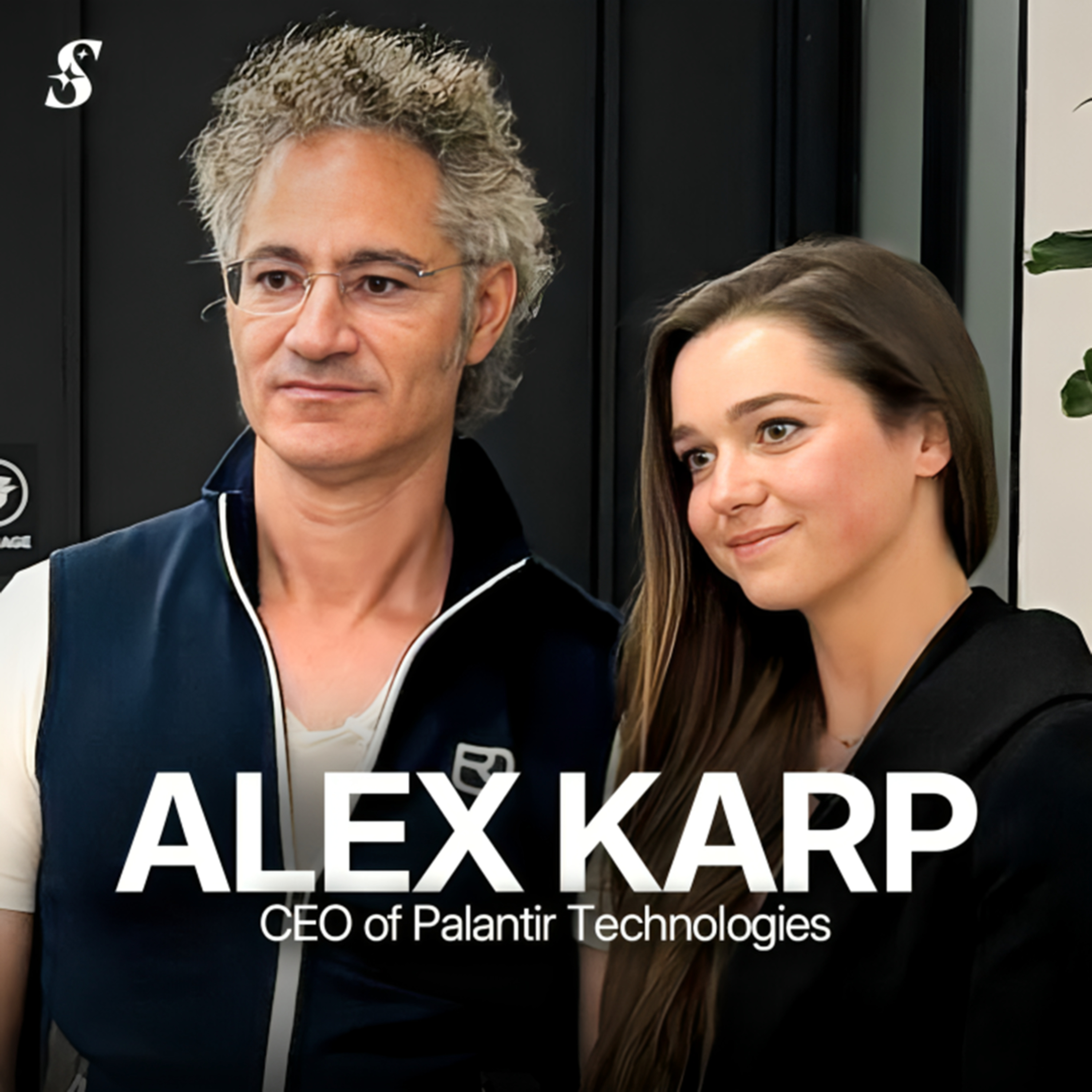
The fastest career acceleration comes from being inside a hyper-growth company, regardless of your initial title. The experience gained scaling a 'rocket ship' is far more valuable than a senior title at a slower-moving business. The speaker herself took a step down from Senior Director to an individual contributor role to join OpenAI.

Rapid startup success stories are misleading. A company's quick victory is almost always the result of its founder's decade-long journey of grinding, learning, and failing. The compounding effect of skills, credibility, and network building is the true engine behind the breakthrough moment.

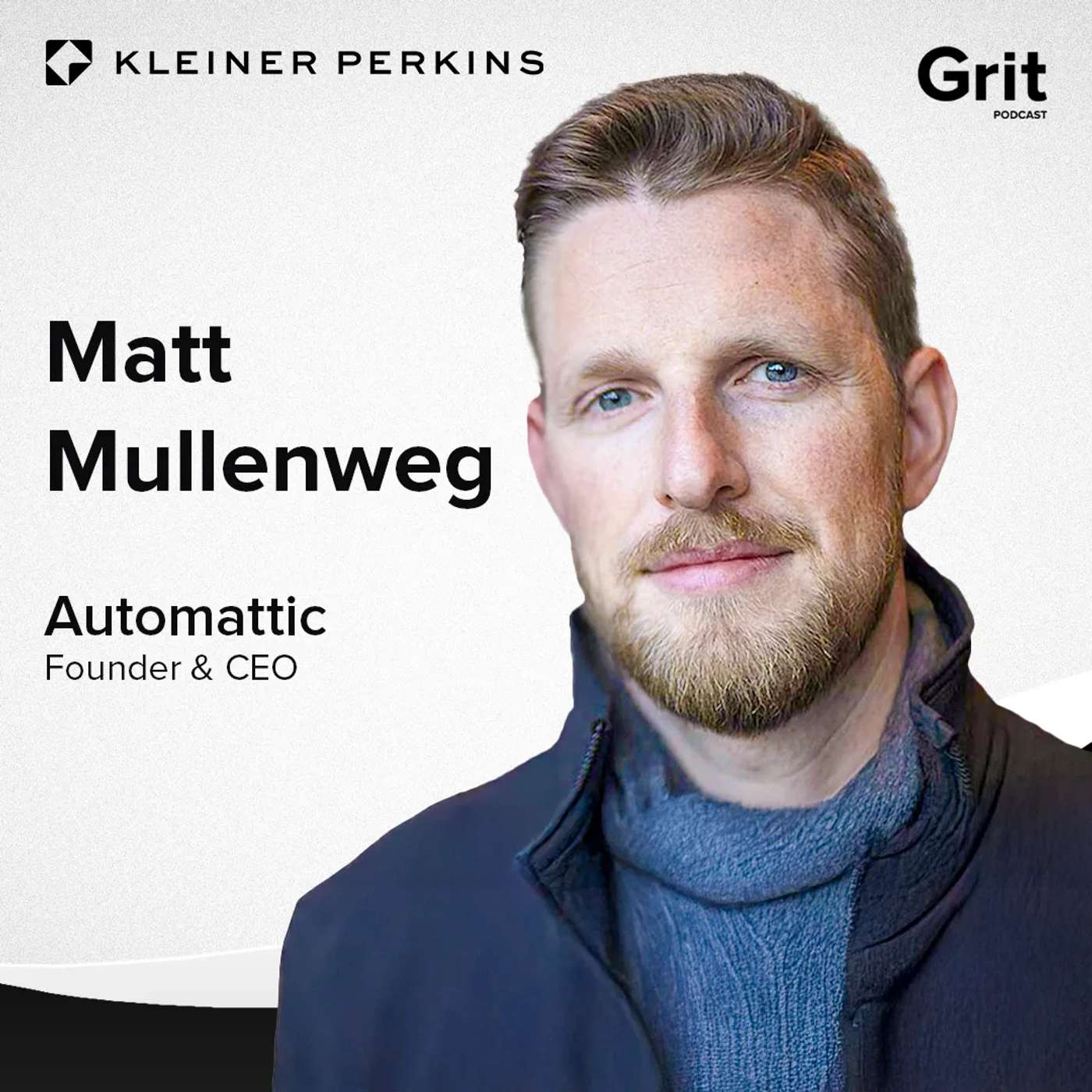
Counter to the modern "founder-led" mantra, a 20-year-old Matt Mullenweg hired an experienced CEO to run Automattic. This "Google era" model prioritized veteran leadership to scale the company, allowing the young founder to focus on product before eventually taking back the reins.
ElevenLabs' CEO has 15 direct reports, split evenly between experienced veterans who have "seen it before" and high-potential employees who have grown with the company. This blend of experience and internal context is key to managing rapid scaling.