Get your free personalized podcast brief
We scan new podcasts and send you the top 5 insights daily.
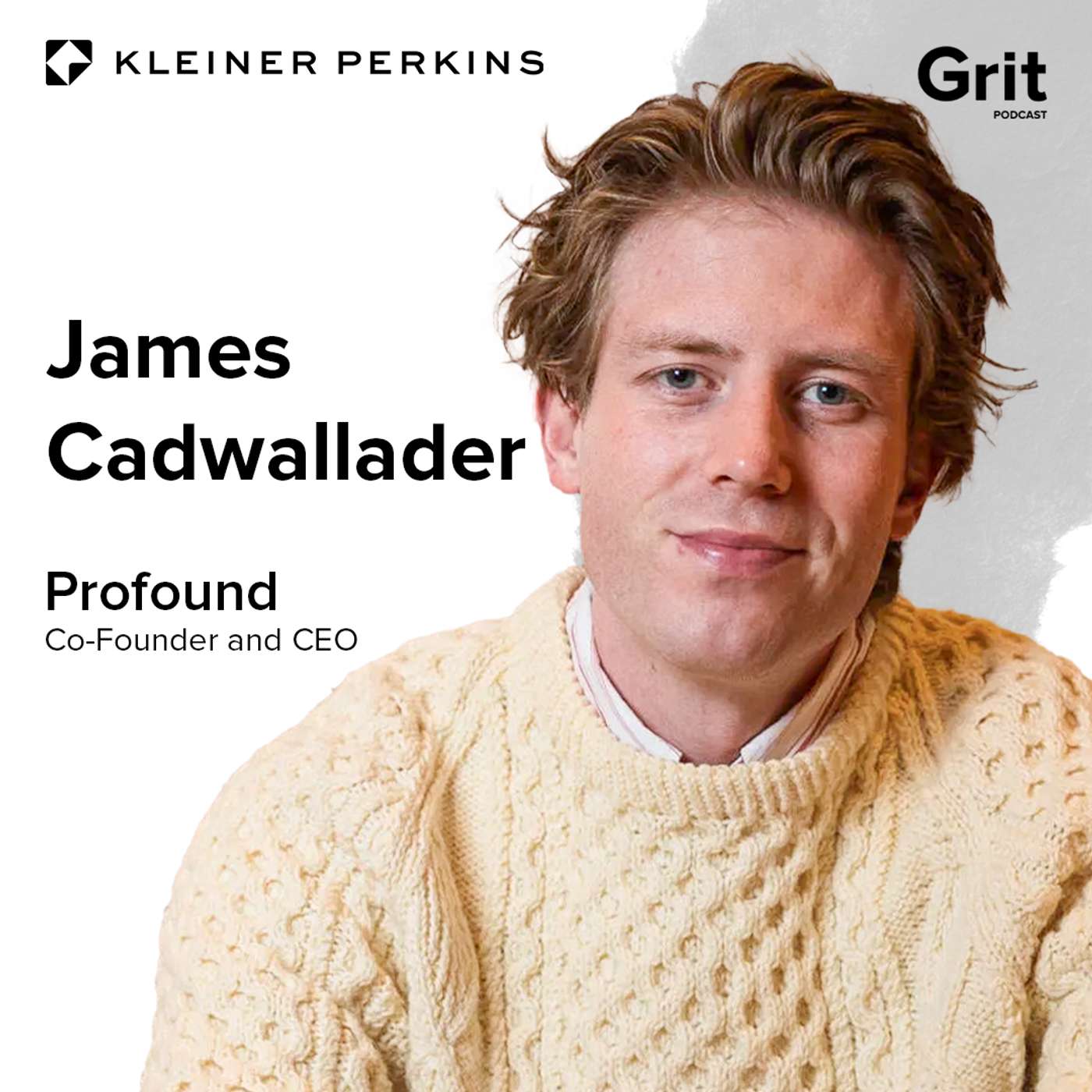
The Profound CEO's decision to start a door-to-door gold-selling business instead of attending university was a formative "breakout of the matrix moment." This early, unconventional success instilled a deep-seated belief that one can forge their own path without following a traditional script.
Related Insights
True entrepreneurial success stems from a deep-seated, almost irrational belief that exists before the skills or evidence to support it. Daniel Ek and the founder of Sony both exemplify this, possessing a powerful conviction in their potential long before they achieved massive success.

Peterffy saw his boss, a psychiatrist with no market background, become a gold trading expert. This observation, combined with his boss's refusal to expand into new areas, gave Peterffy the confidence to leave and start his own firm, believing "if he can figure it out, so can I."

For young people pursuing non-traditional careers, parental discomfort is a preferable outcome to seeking approval. If you succeed, their pride is immense. If you fail, you learn to operate without their validation. Both outcomes build crucial entrepreneurial resilience.

Co-founder Rashid Ali, feeling family pressure for not having a master's degree, reframed his entrepreneurial journey. He treated building Chomps as a practical, hands-on business education, ultimately proving its value over a traditional MBA by building a billion-dollar brand.

Founders often need to shed the mindset instilled by traditional, prestigious careers. This involves questioning subconscious drivers like "what should I do?" and intentionally replacing them by surrounding yourself with people who have non-linear life paths and different value systems.

Major career pivots are not always driven by logic or market data. A deeply personal and seemingly unrelated experience, like being emotionally moved by a film (Oppenheimer), can act as the catalyst to overcome years of resistance and commit to a challenging path one had previously sworn off.

Lacking a traditional resume forces young founders to constantly learn, as they have no preconceived notions of how things 'should' be done. This contrasts with experienced leaders who might wrongly assume their past success provides a playbook for a new market or company stage.

Societal structures like the education system are designed for the average person. If you're in an outlier situation (e.g., poverty, family crisis), you must create your own unconventional path, as standard advice and timelines won't apply to your unique context.

Frances Arnold’s rebellious youth—moving out at 15, waitressing, and driving a taxi—defies the typical prodigy narrative. She argues these "off-path" experiences are like "money in the bank," building resilience and providing a unique perspective that proved crucial for her later scientific breakthroughs.

The motivation to start a company wasn't about a guaranteed outcome but about embracing the ultimate test of one's capabilities. The realization that most founders, regardless of experience, are figuring it out as they go is empowering. It reframes the founder journey from a path for experts to a challenge for the determined.
