Get your free personalized podcast brief
We scan new podcasts and send you the top 5 insights daily.
To gain buy-in, guide people to your desired outcome through a curated series of questions. This allows them to feel like they are discovering the solution themselves, creating a powerful sense of ownership. They are more likely to commit to a conclusion they feel they helped create.
Related Insights
Direct questions in sales or leadership can feel confrontational. Prefacing them with 'I'm curious...' completely changes the dynamic from an interrogation to a collaborative effort to understand. This simple linguistic shift builds trust, encourages openness, and turns transactions into lasting relationships.
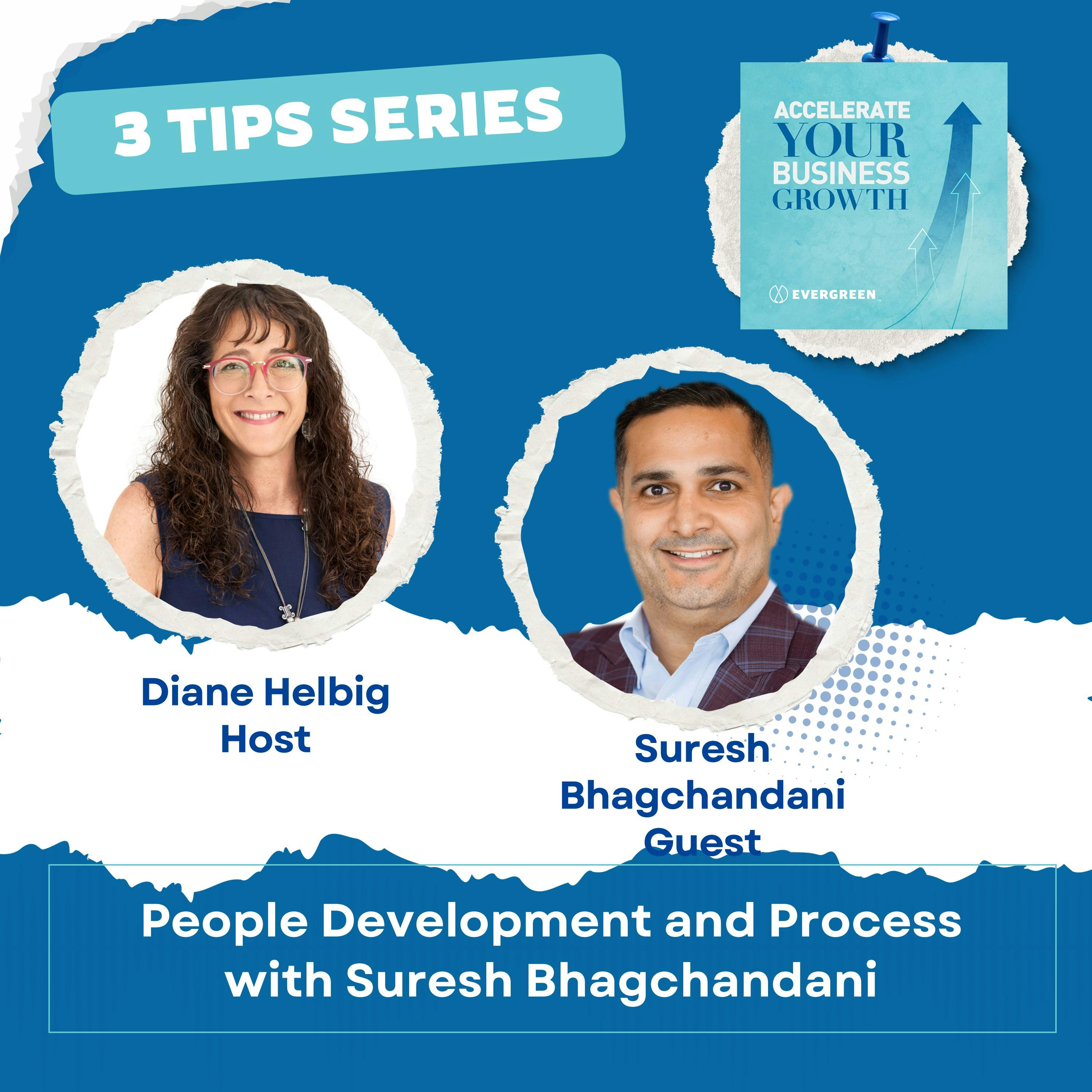
The goal of asking questions isn't just for you to gather information. It's a Socratic dialogue designed to help stakeholders think differently and arrive at the real need themselves. By guiding their thought process, you build deeper alignment and co-create a better solution, rather than just extracting requirements for yourself to fulfill.
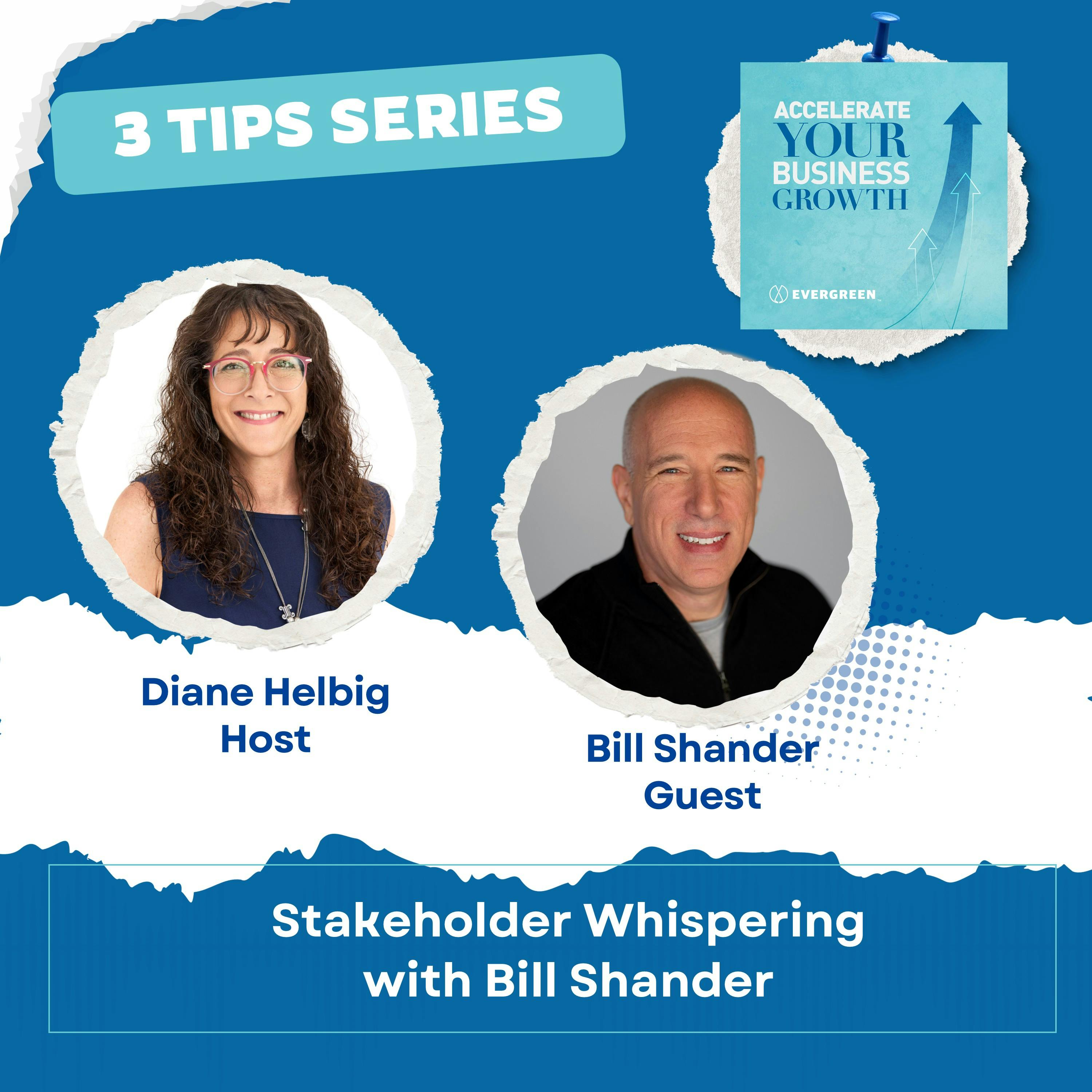
Technical audiences are "human lie detectors." To build trust, don't lead with a sales pitch. Instead, ask insightful questions about their stack and pain points to prove you understand their world. This curiosity earns you the credibility needed to offer solutions and advice.

Instead of pitching an idea, Bug Crowd's founder used an "ascending close." He asked customers a series of simple questions based on logic (e.g., "Do you think 50 people would outperform one?"). Each "yes" built momentum, leading them to agree with the core value proposition before the solution was even introduced.

When presenting a strategy to leaders who like to 'leave their mark,' proactively design a space for their contribution. Instead of a sealed plan, explicitly ask for their opinion on a specific area. This satisfies their need to add value and makes them a co-owner of the strategy, increasing adoption.

The most effective salespeople are not those with the 'gift of gab,' but those who master listening. Influence is created by asking questions that get prospects to reveal their problems, then using that information to create a value bridge to your solution.

Instead of pitching a customer, ask them, "Why did you decide to get on this call?" and "Why now?" This forces the prospect to articulate their own pain and why they believe you are the solution, reversing the sales dynamic and revealing core buying motivations.

To win over a disengaged or skeptical group in the first 10 minutes, a trainer should cede control. By asking "Why are you here?" and "What would be a success for you?", the trainer shifts ownership to the audience, making the session about their needs, not a pre-set curriculum.

Don't just hand your champion a perfectly polished soundbite or business case. The act of creating it together—getting their feedback, edits, and "red lines"—is what builds their ownership and conviction. This process ensures they internalize the message and can confidently sell it on your behalf.

Instead of pitching a single idea, which invites a yes/no response, present two or three pre-approved options. This gives the other person a sense of autonomy and changes their mental calculus from rejecting your one idea to choosing the best option for them.