Get your free personalized podcast brief
We scan new podcasts and send you the top 5 insights daily.
When people feel their freedom is threatened by a direct command, they experience "reactance," a psychological pushback. P&G's directive "don't eat Tide Pods" triggered this, paradoxically increasing interest and dangerous behavior instead of curbing it.
Related Insights
The rising fear of allergies prompted parents and doctors to adopt avoidance strategies. This avoidance, however, was the biological cause of the allergies, creating a vicious feedback loop where fear led to actions that generated more of the thing being feared, thus reinforcing the initial fear and behavior.

A marketing campaign using a "missing PO" subject line to create urgency backfired when it angered a CEO. This direct, negative feedback immediately revealed the brand risk associated with FUD (Fear, Uncertainty, and Doubt) tactics, leading to their discontinuation.

Contrary to the economic theory that more choice is always better, people sometimes prefer fewer options. Removing a tempting choice, like a bowl of cashews before dinner, can lead to better outcomes by acting as a pre-commitment device, which helps overcome a lack of self-control.
We incorrectly assume people misbehave due to a lack of motivation. Research suggests it's often a deficit in neurocognitive skills like frustration tolerance or problem-solving. Pushing harder on motivation is therefore ineffective and can be damaging.
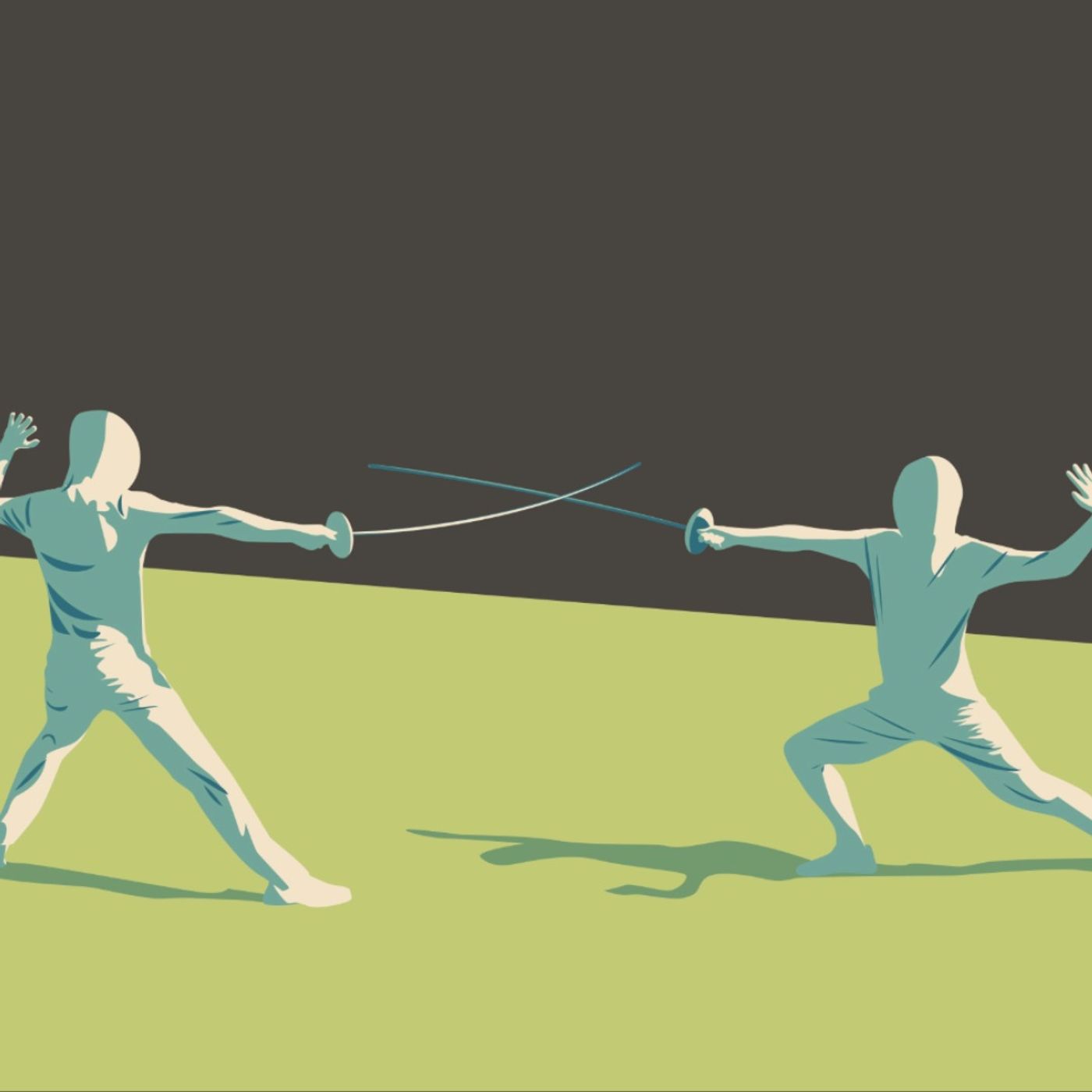
When an employee seems defiant, it's rarely a deliberate act of insubordination. Instead, it's a signal that a request has caused an internal conflict or values mismatch. Leaders should treat this as a cue to investigate the root cause, not to punish the behavior.
A ban on a product or activity, like pickleball, can generate significant positive attention and increase consumer demand. By making something feel rebellious or forbidden, a ban creates an allure that traditional marketing can't replicate, as seen with brands like Uber and Red Bull.

The principles influencing shoppers are not limited to retail; they are universal behavioral nudges. These same tactics are applied in diverse fields like public health (default organ donation), finance (apps gamifying saving), and even urban planning (painting eyes on bins to reduce littering), proving their broad applicability to human behavior.

Humans have a "Reason Respecting Tendency" so powerful that our brains respond to the structure of a reason, not just its substance. Experiments show that saying "I have to make some copies" is an effective way to cut a line, even though it's a tautology. The word "because" triggers automatic compliance.
![Charlie Munger and The Psychology of Human Misjudgement [Outliers] thumbnail](https://megaphone.imgix.net/podcasts/ffb628d4-c418-11f0-acd7-b3217b3943c4/image/37067138e685dc4ea5d98531397f6711.png?ixlib=rails-4.3.1&max-w=3000&max-h=3000&fit=crop&auto=format,compress)
While stunts and "rage-bait" can generate massive initial attention for a product like Clulee, their impact diminishes over time. Once an audience has been enraged, it's harder to provoke the same reaction again, making it a powerful but unsustainable long-term growth strategy compared to consistent value proposition advertising.

Modern advertising weaponizes fear to generate sales. By creating or amplifying insecurities about health, social status, or safety, companies manufacture a problem that their product can conveniently solve, contributing to a baseline level of societal anxiety for commercial gain.
