Get your free personalized podcast brief
We scan new podcasts and send you the top 5 insights daily.
Most production RAG systems fail not because of the LLM or prompt, but due to poor document parsing, chunking, and indexing. Teams mistakenly debug the generation layer when the foundational data processing is the true root cause of poor performance.
Related Insights
Adopt a "start simple" approach for AI development. Master prompting first. If that fails, use Retrieval Augmented Generation (RAG). Fine-tuning should be the last resort due to its complexity in deployment, serving, and keeping up with rapidly evolving base models.

While consumer AI tolerates some inaccuracy, enterprise systems like customer service chatbots require near-perfect reliability. Teams get frustrated because out-of-the-box RAG templates don't meet this high bar. Achieving business-acceptable accuracy requires deep, iterative engineering, not just a vanilla implementation.
Providing too much raw information can confuse an AI and degrade its output. Before prompting with a large volume of text, use the AI itself to perform 'context compression.' Have it summarize the data into key facts and insights, creating a smaller, more potent context for your actual task.

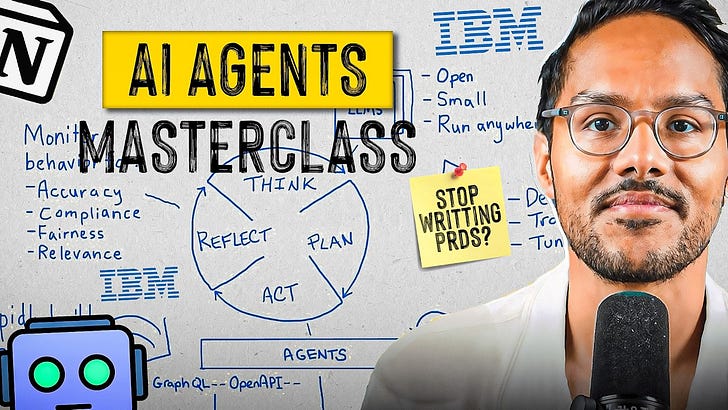
Before considering expensive model fine-tuning, implement Retrieval-Augmented Generation (RAG). RAG dynamically retrieves information from a knowledge base to augment the prompt, solving most domain-specific problems efficiently. The recommended hierarchy is: Prompt Optimization -> Context Engineering -> RAG -> Fine-tuning.

Standard Retrieval-Augmented Generation (RAG) systems often fail because they treat complex documents as pure text, missing crucial context within charts, tables, and layouts. The solution is to use vision language models for embedding and re-ranking, making visual and structural elements directly retrievable and improving accuracy.
While prompt engineering is the interface, context engineering is the "magic" for production systems. It involves strategically managing what information (session history, knowledge base) fits into the model's limited context window. This art directly impacts both cost and performance.
Splitting documents by a fixed token count is a common and costly error in RAG pipelines. According to a cited study, switching to an adaptive, meaning-based chunking strategy (e.g., by paragraph) can increase fully accurate answers from 13% to 50%.
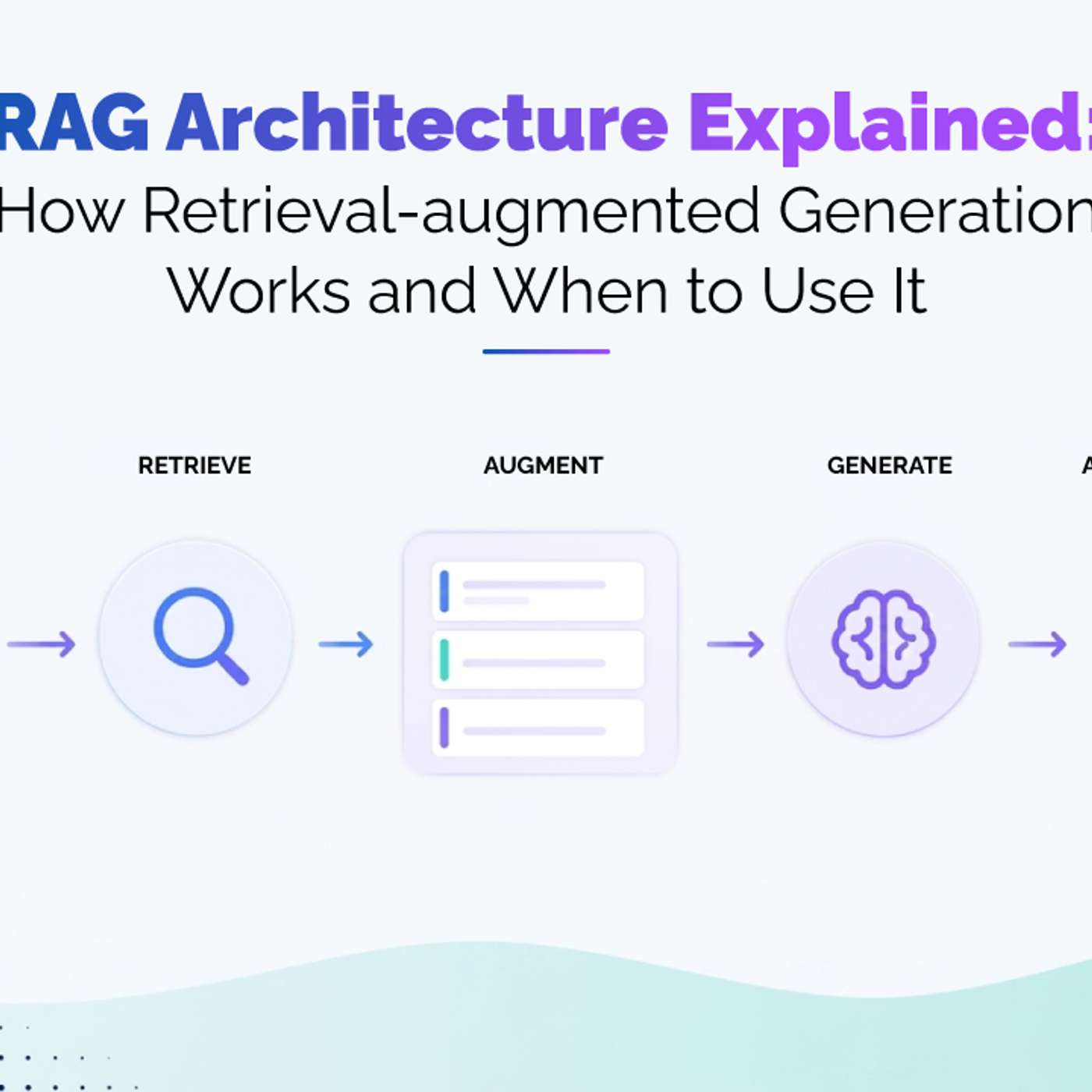
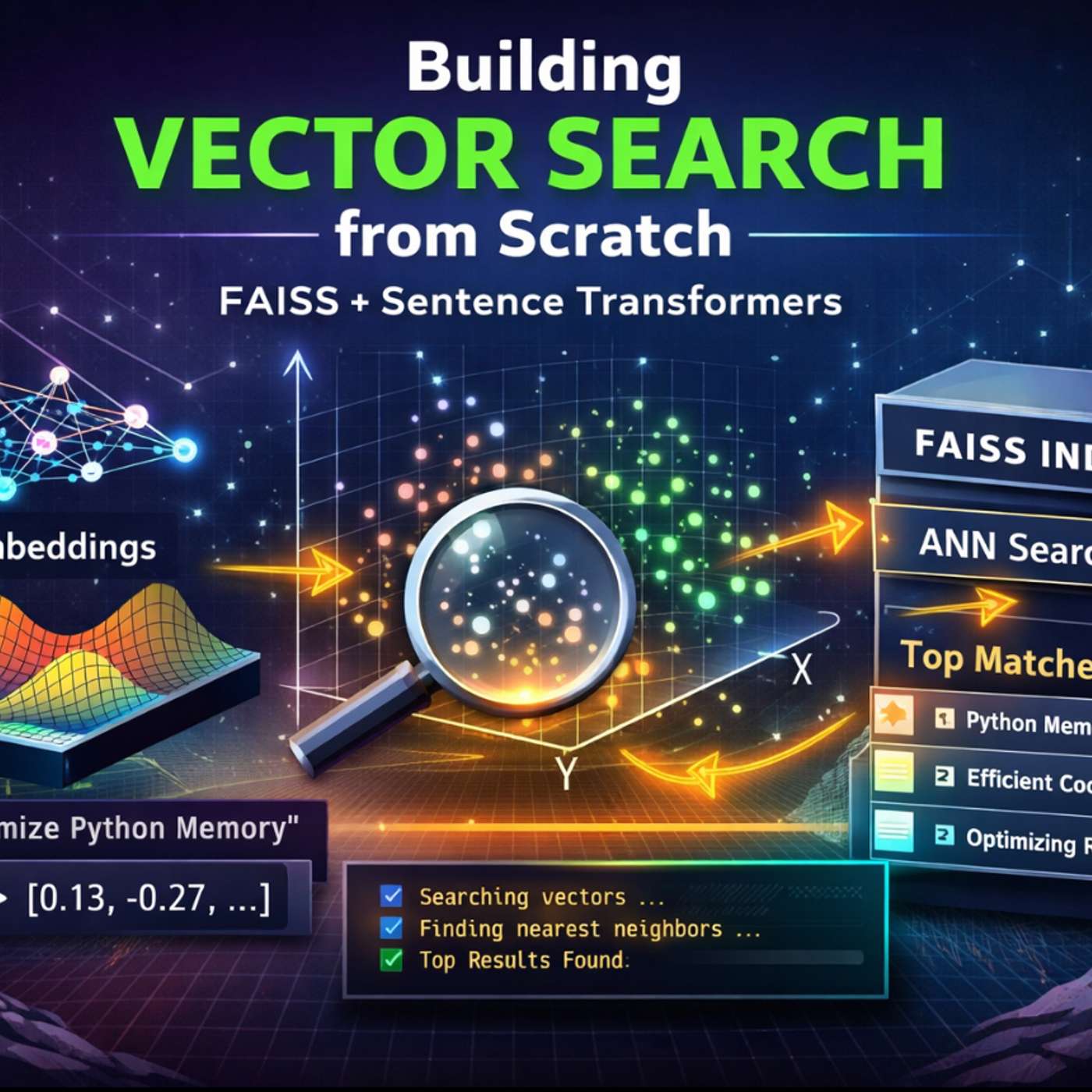
Retrieval Augmented Generation (RAG) uses vector search to find relevant documents based on a user's query. This factual context is then fed to a Large Language Model (LLM), forcing it to generate responses based on provided data, which significantly reduces the risk of "hallucinations."
Teams often agonize over which vector database to use for their Retrieval-Augmented Generation (RAG) system. However, the most significant performance gains come from superior data preparation, such as optimizing chunking strategies, adding contextual metadata, and rewriting documents into a Q&A format.

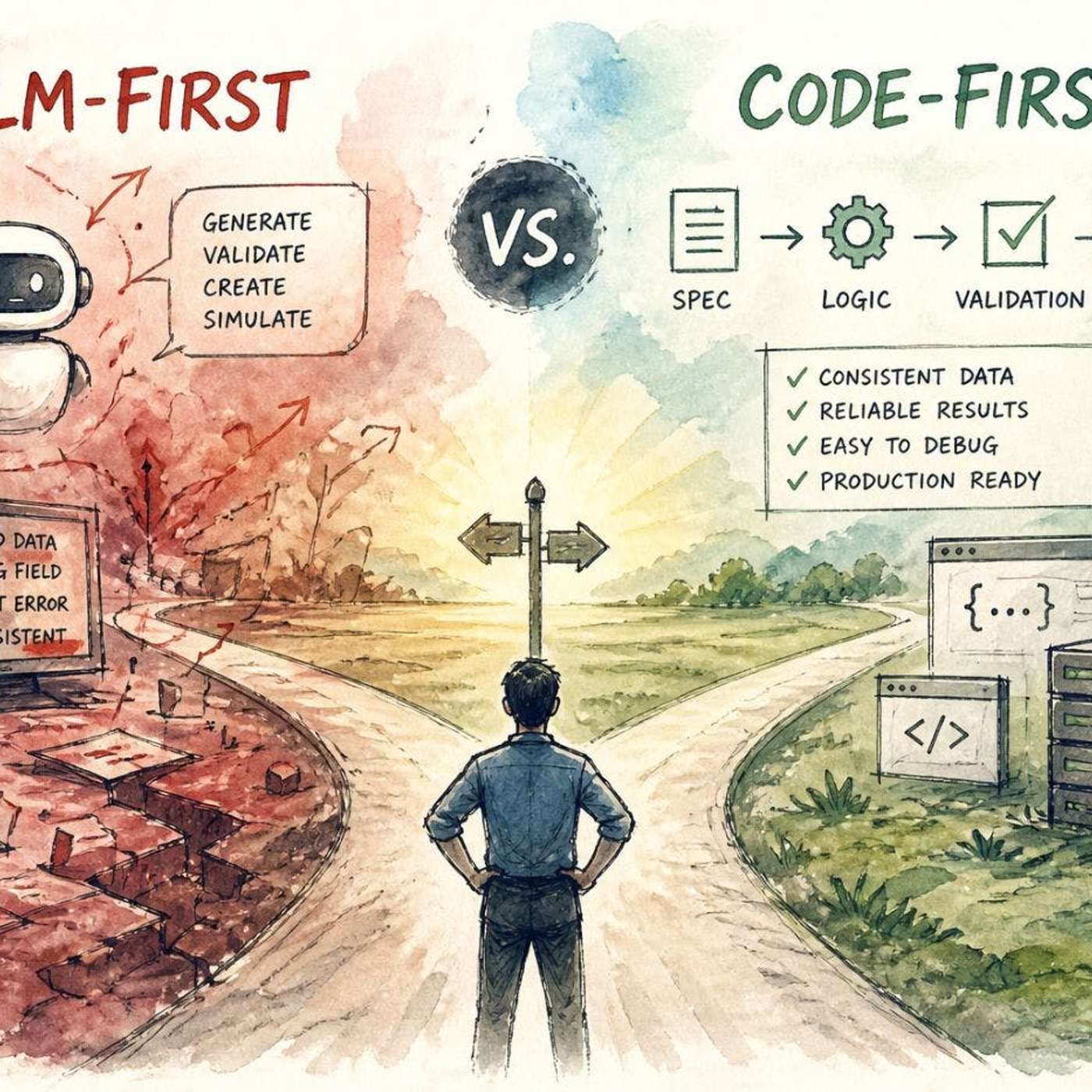
LLMs in production don't often crash spectacularly. Instead, they introduce subtle, probabilistic errors—like incorrect enum values or missing fields—that are hard to debug because they lack clear error patterns, unlike deterministic code failures.