Get your free personalized podcast brief
We scan new podcasts and send you the top 5 insights daily.
Before considering expensive model fine-tuning, implement Retrieval-Augmented Generation (RAG). RAG dynamically retrieves information from a knowledge base to augment the prompt, solving most domain-specific problems efficiently. The recommended hierarchy is: Prompt Optimization -> Context Engineering -> RAG -> Fine-tuning.

Related Insights
Fine-tuning creates model-specific optimizations that quickly become obsolete. Blitzy favors developing sophisticated, system-level "memory" that captures enterprise-specific context and preferences. This approach is model-agnostic and more durable as base models improve, unlike fine-tuning which requires constant rework.

Instead of expensive, static pre-training on proprietary data, enterprises prefer RAG. This approach is cheaper, allows for easy updates as data changes, and benefits from continuous improvements in foundation models, making it a more practical and dynamic solution.

According to IBM's AI Platform VP, Retrieval-Augmented Generation (RAG) was the killer app for enterprises in the first year after ChatGPT's release. RAG allows companies to connect LLMs to their proprietary structured and unstructured data, unlocking immense value from existing knowledge bases and proving to be the most powerful initial methodology.
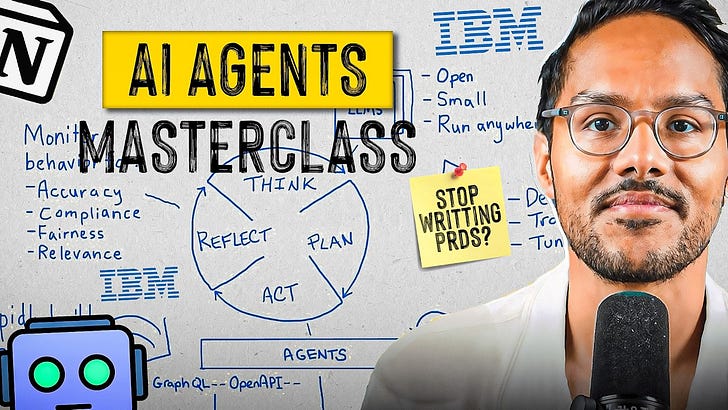
While prompt engineering is the interface, context engineering is the "magic" for production systems. It involves strategically managing what information (session history, knowledge base) fits into the model's limited context window. This art directly impacts both cost and performance.
OpenAI favors "zero gradient" prompt optimization because serving thousands of unique, fine-tuned model snapshots is operationally very difficult. Prompt-based adjustments allow performance gains without the immense infrastructure burden, making it a more practical and scalable approach for both OpenAI and developers.

Retrieval Augmented Generation (RAG) uses vector search to find relevant documents based on a user's query. This factual context is then fed to a Large Language Model (LLM), forcing it to generate responses based on provided data, which significantly reduces the risk of "hallucinations."
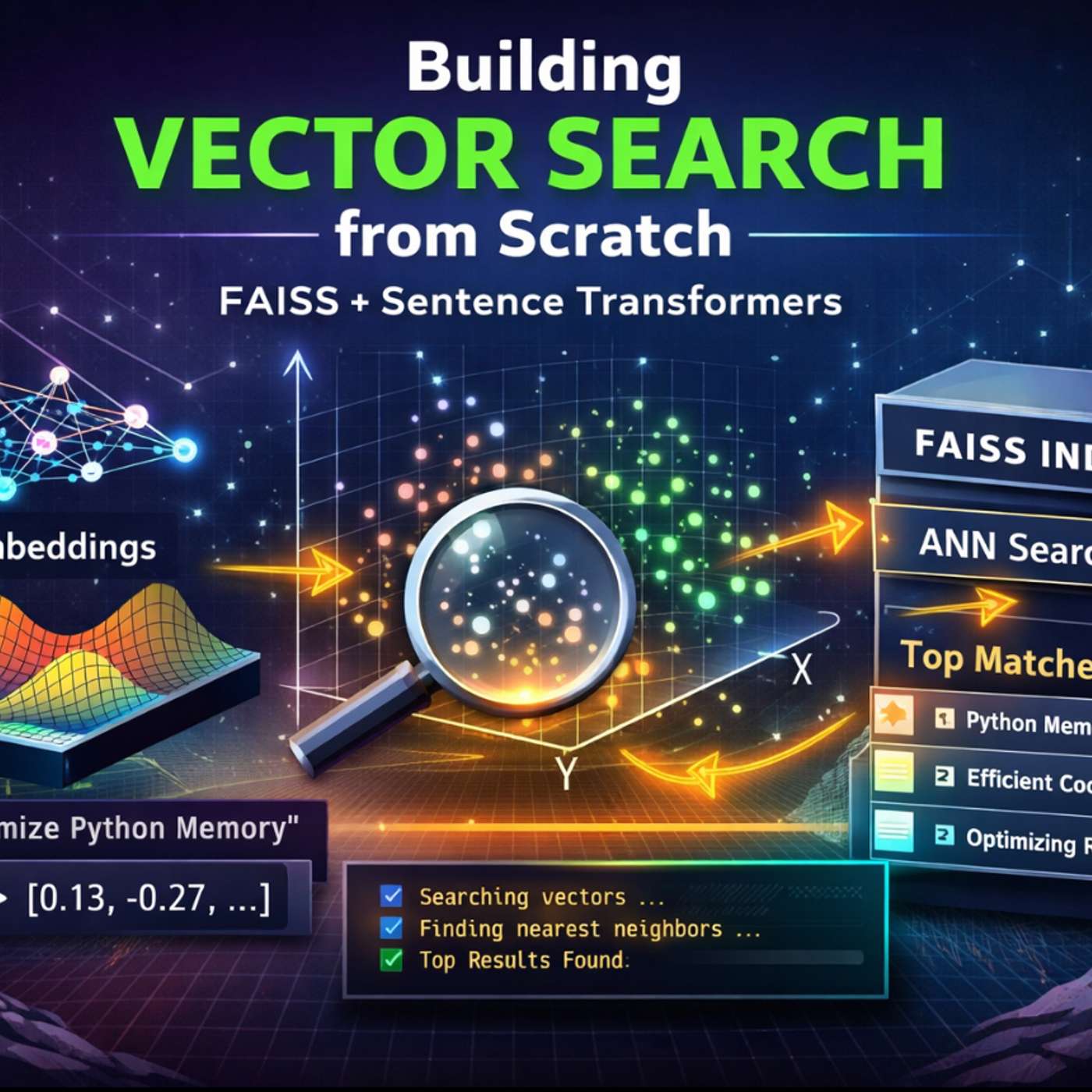
Teams often agonize over which vector database to use for their Retrieval-Augmented Generation (RAG) system. However, the most significant performance gains come from superior data preparation, such as optimizing chunking strategies, adding contextual metadata, and rewriting documents into a Q&A format.
Moving beyond simple commands (prompt engineering) to designing the full instructional input is crucial. This "context engineering" combines system prompts, user history (memory), and external data (RAG) to create deeply personalized and stateful AI experiences.
Fine-tuning remains relevant but is not the primary path for most enterprise use cases. It's a specialized tool for situations with unique data unseen by foundation models or when strict cost and throughput requirements for a high-volume task justify the investment. Most should start with RAG.
Classic RAG involves a single data retrieval step. Its evolution, "agentic retrieval," allows an AI to perform a series of conditional fetches from different sources (APIs, databases). This enables the handling of complex queries where each step informs the next, mimicking a research process.
