Get your free personalized podcast brief
We scan new podcasts and send you the top 5 insights daily.
Beyond SpaceX's products, its most significant impact is creating a diaspora of engineers skilled in Musk's "build for production" methodology. These alumni are now founding new defense companies, applying lessons on speed and cost that are absent from traditional engineering education and corporate environments.

Related Insights
Emil Michael warns defense tech founders that a prototype is not enough. The Department of War requires a credible plan for mass production. Startups must prove they have mastered the "skilled manufacturing piece" to win large contracts.

Tesla's most profound competitive advantage is not its products but its mastery of manufacturing processes. By designing and building its own production line machinery, the company achieves efficiencies and innovation cycles that competitors relying on third-party equipment cannot match. This philosophy creates a deeply defensible moat.

The push to build defense systems in America reveals that critical sub-components, like rocket motors or high-powered amplifiers, are no longer manufactured domestically at scale. This forces new defense companies to vertically integrate and build their own factories, essentially rebuilding parts of the industrial base themselves.

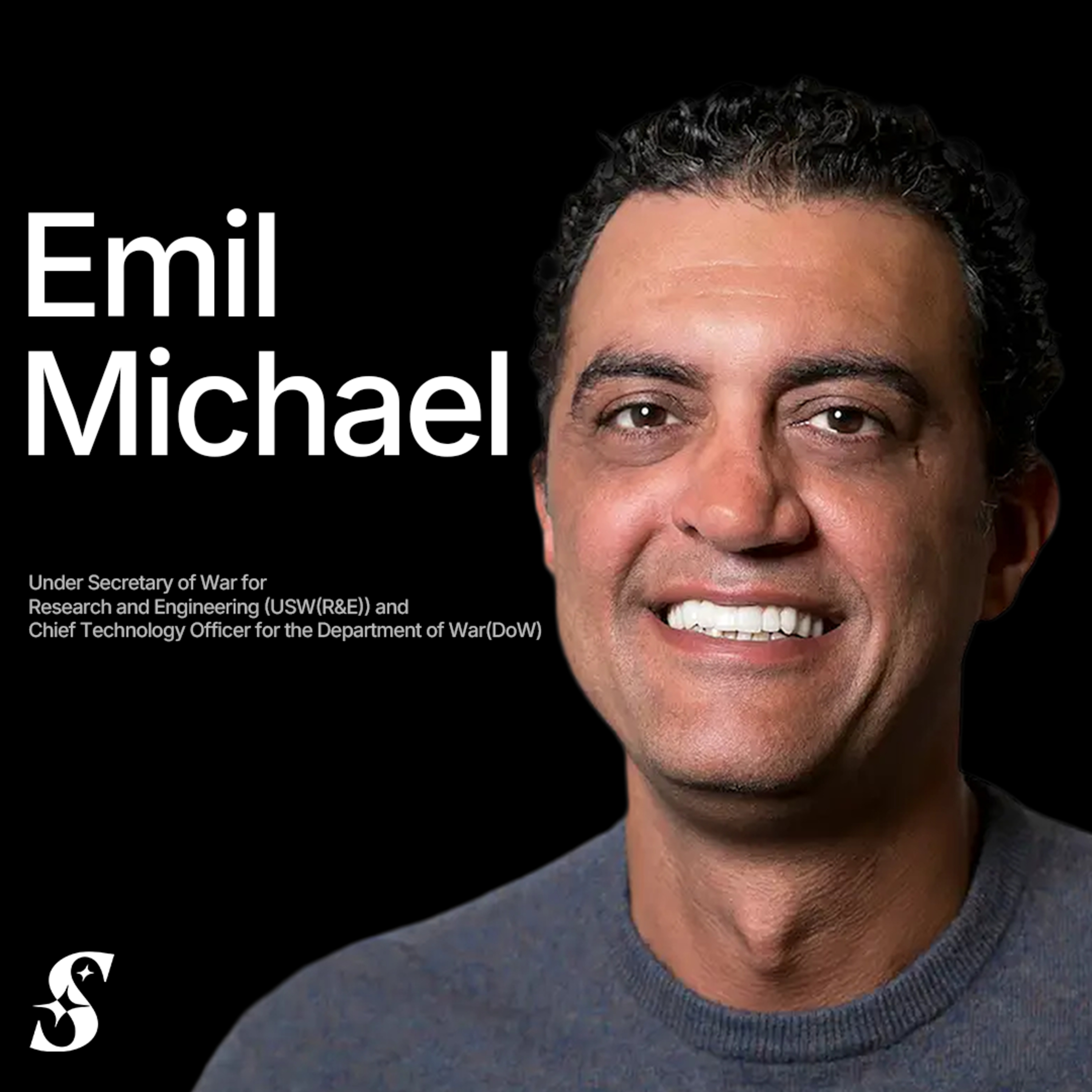
The Under Secretary of War's primary job is not just to fund technology, but to actively cultivate an ecosystem of new defense contractors. The stated goal is to create five more major companies capable of challenging established primes like Lockheed Martin, fostering competition and bringing new capabilities into the defense sector.
A key supply-side driver for the "American Dynamism" sector is the flow of experienced talent. Alumni from pioneering companies like Palantir, SpaceX, and Oculus are leaving to start new ventures, bringing deep domain expertise in building for complex government and industrial sectors.

The US defense industry's error was creating a separate, "exquisite" industrial base. The solution is designing weapons that can be built using existing, scalable commercial manufacturing techniques, mirroring the successful approach used during World War II.
The defense tech sector is experiencing a perfect storm. This 'golden triangle' consists of: 1) Desperate customers in the Pentagon and Congress seeking innovation, 2) A wave of experienced founders graduating from successful firms like SpaceX and Anduril, and 3) Abundant downstream capital ready to fund growth.

Society celebrates figures like Edison for the 'idea' of the lightbulb, but his real breakthrough was in manufacturing a practical version. Similarly, Elon Musk's genius is arguably in revolutionizing manufacturing to lower space travel costs, a feat of logistics often overlooked in favor of visionary narratives.

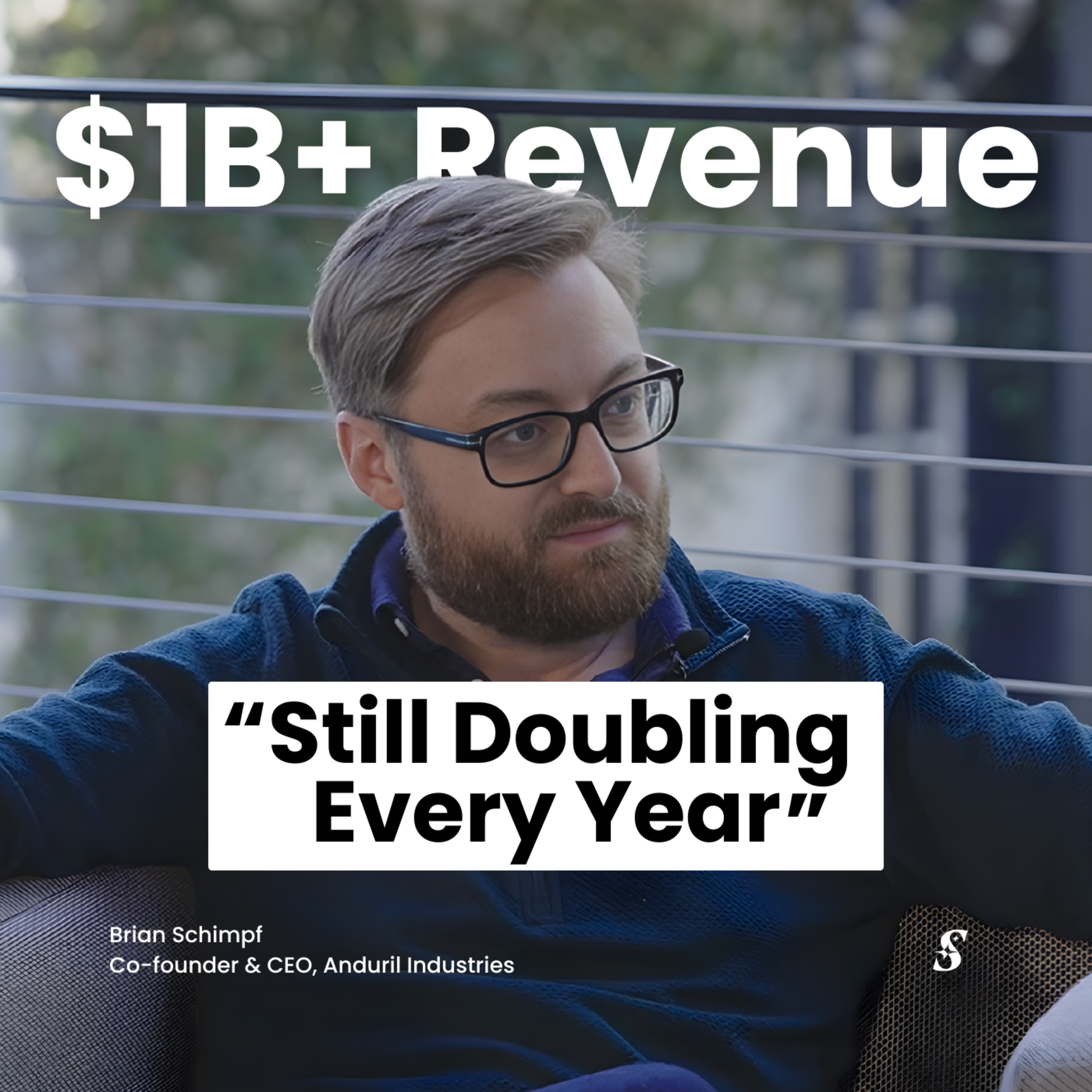
The decisive advantage in future conflicts will not be just technological superiority, but the ability to mass-produce weapons efficiently. After decades of offshoring manufacturing, re-industrializing the US to produce hardware at scale is Anduril's core strategic focus, viewing the factory itself as the ultimate weapon.

Anduril's co-founder argues America's atrophied manufacturing base is a critical national security vulnerability. The ultimate strategic advantage isn't a single advanced weapon, but the ability to mass-produce "tens of thousands of things" efficiently. Re-industrializing is therefore a core pillar of modern defense strategy.