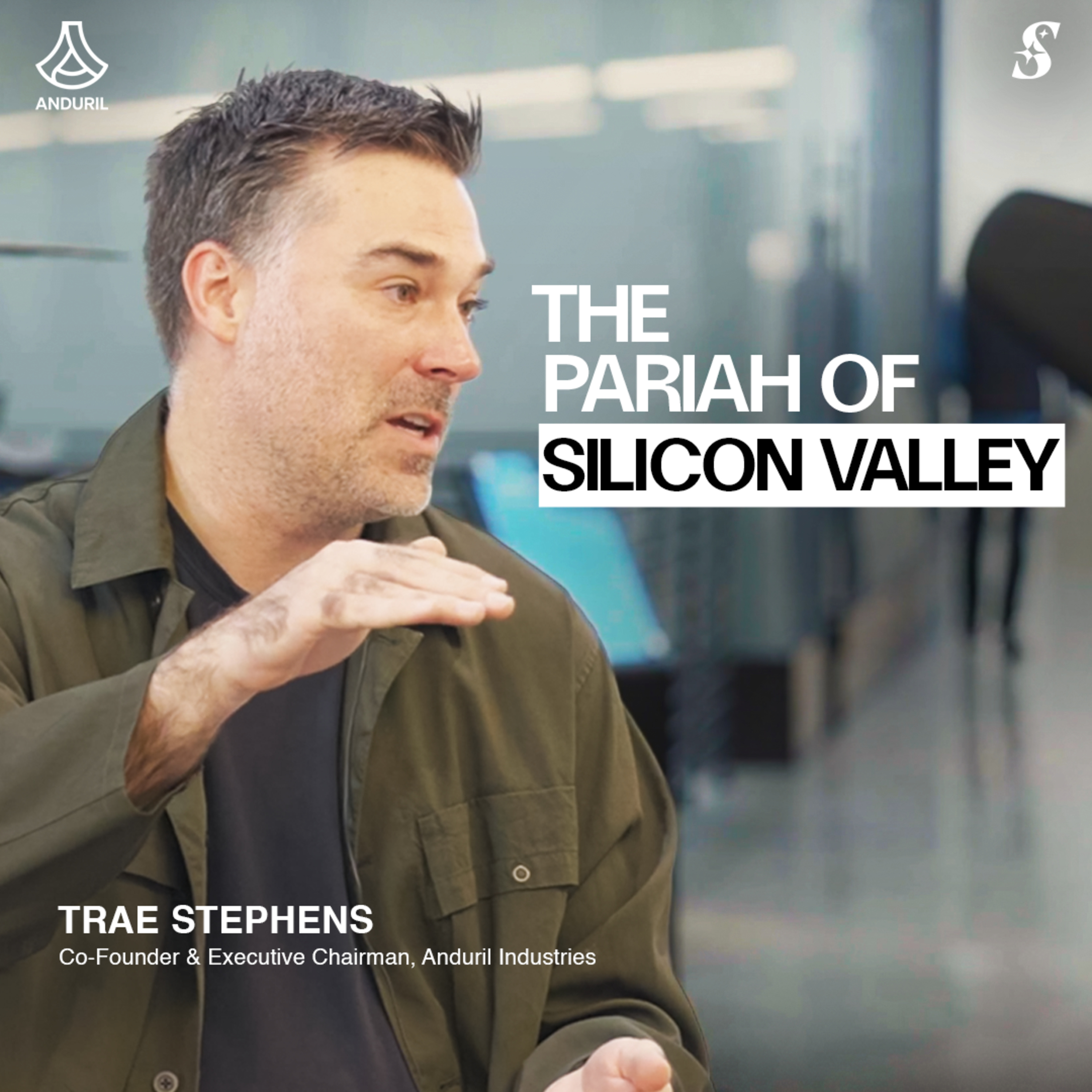
Anduril intentionally builds a strong, consumer-facing brand, not to sell products to the public, but to create a "Halcyon call" for talent. By hiring marketing and design leads from companies like Snap and Hulu, they make defense work appealing to world-class individuals who would otherwise never consider the industry.
Anduril gained a significant advantage by leveraging its co-founders' experiences from Palantir. Instead of repeating the same decade-long learning curve of selling to the government, they started with a fully formed strategy, avoiding common pitfalls and accelerating their growth from day one.
Applying Peter Thiel's "Zero to One" philosophy, Anduril intentionally avoided crowded marketplaces when it launched in 2017. By focusing on a defense sector completely devoid of venture-backed startups, they secured an incredible head start and built a defensible business before competitors emerged.
Anduril's co-founder argues America's atrophied manufacturing base is a critical national security vulnerability. The ultimate strategic advantage isn't a single advanced weapon, but the ability to mass-produce "tens of thousands of things" efficiently. Re-industrializing is therefore a core pillar of modern defense strategy.
Counterintuitively, Anduril views AI and autonomy not as an ethical liability, but as a way to better adhere to the ancient principles of Just War Theory. The goal is to increase precision and discrimination, reducing collateral damage and removing humans from dangerous jobs, thereby making warfare *more* ethical.
Despite building large physical systems like drones, Anduril's co-founder states their core competency and original vision is software. They are a "software-defined and hardware-enabled" company, which fundamentally differentiates their approach from traditional defense contractors who are the opposite.