Get your free personalized podcast brief
We scan new podcasts and send you the top 5 insights daily.
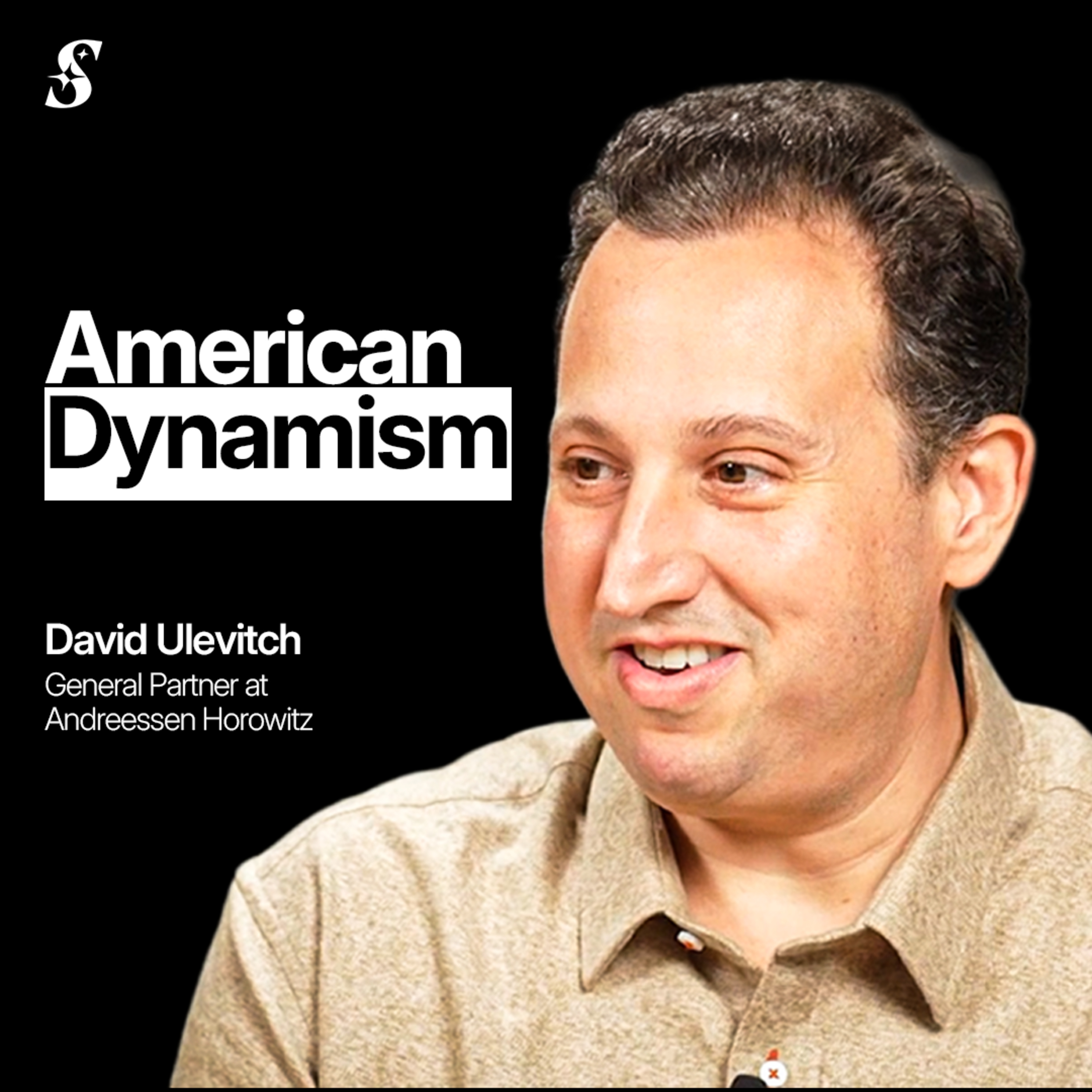
A key supply-side driver for the "American Dynamism" sector is the flow of experienced talent. Alumni from pioneering companies like Palantir, SpaceX, and Oculus are leaving to start new ventures, bringing deep domain expertise in building for complex government and industrial sectors.
Related Insights
For its American Dynamism fund, Andreessen Horowitz provides more than capital; it fields a dedicated policy team in Washington D.C. This team works to change structural government problems, like defense procurement, creating a more favorable market for its portfolio and the broader startup ecosystem.
Quora's initial engineering team was a legendary concentration of talent that later dispersed to found or lead major AI players, including Perplexity and Scale AI. This highlights how talent clusters from one generation of startups can become the founding diaspora for the next.

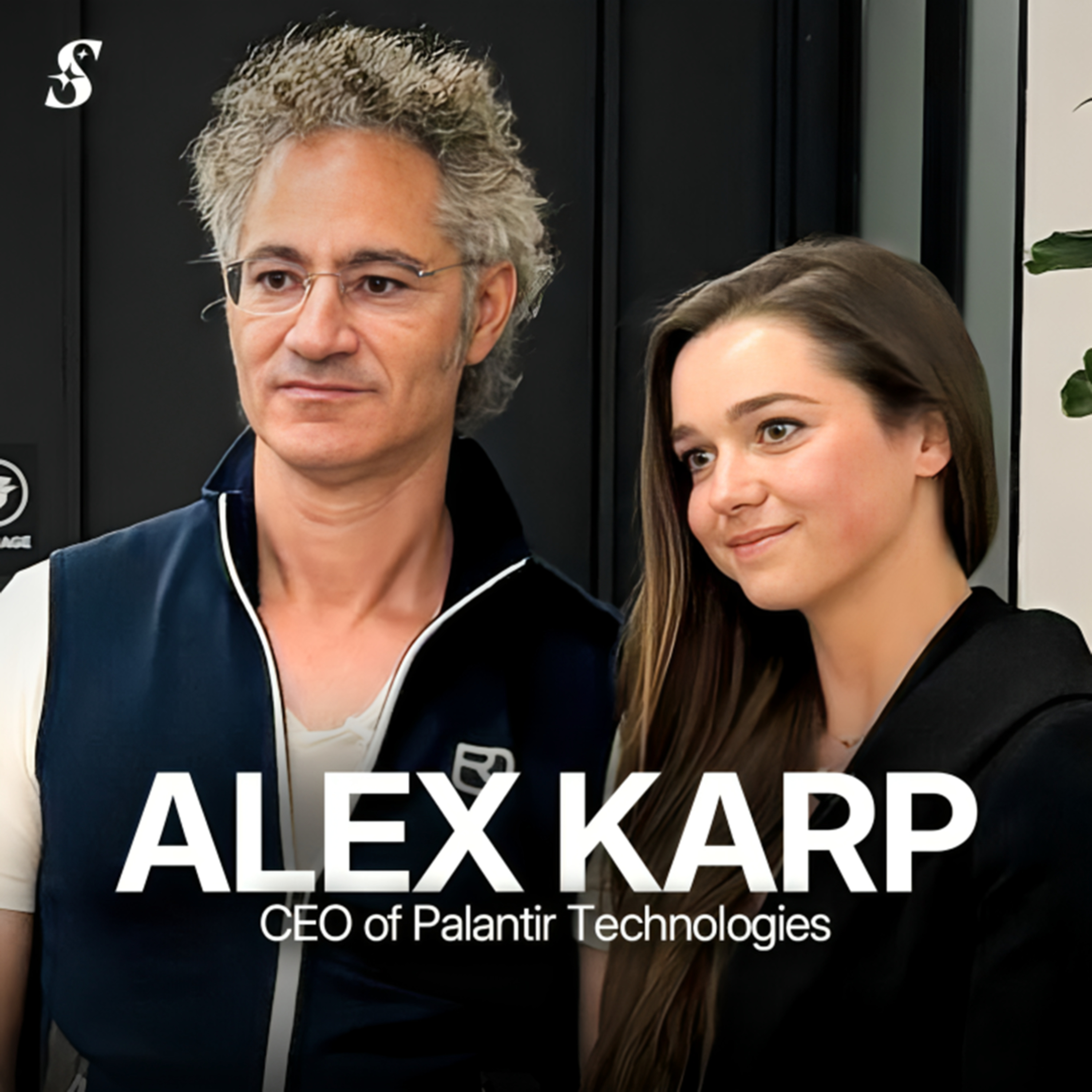
Palantir's success stems from its "anti-playbook" culture. It maintains a flat, meritocratic structure that feels like a startup despite its size. This environment fosters original thinking and rewards those who excel outside of rigid, conventional frameworks, turning traditionally undervalued traits into strengths.
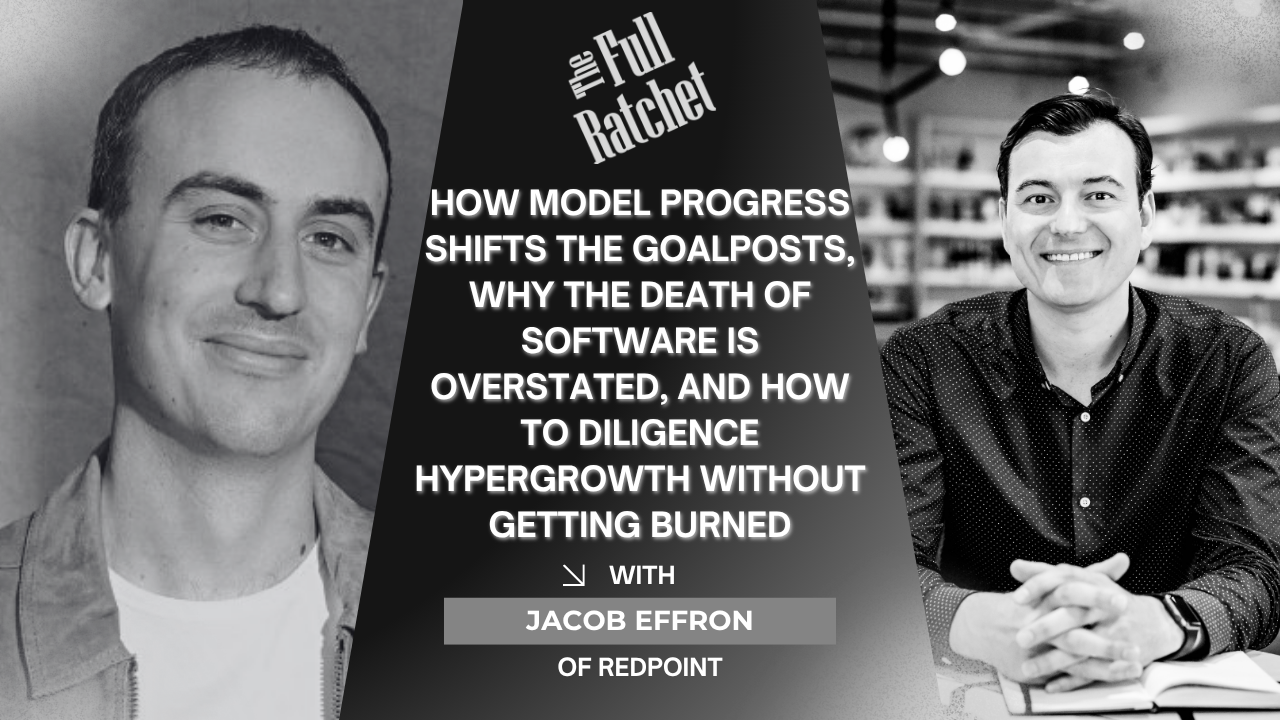
While technical founders excel at finding an initial AI product wedge, domain-expert founders may be better positioned for long-term success. Their deep industry knowledge provides an intuitive roadmap for the company's "second act": expanding the product, aligning ecosystem incentives, and building defensibility beyond the initial tool.
In capital-intensive sectors, the idea is secondary to the founder's ability to act as a magnet. Their primary function is to relentlessly attract elite talent and secure continuous funding to survive long development timelines before revenue.

Tech companies often use government and military contracts as a proving ground to refine complex technologies. This gives military personnel early access to tools, like Palantir a decade ago, long before they become mainstream in the corporate world.

Unlike traditional tech, founders in the American Dynamism space often succeed because of their deep, first-hand understanding of the customer (e.g., government, military). Many have prior service, hold security clearances, or have sold to government before. This "customer intimacy" allows them to speak the language and navigate complex procurement, a crucial advantage.
The defense tech sector is experiencing a perfect storm. This 'golden triangle' consists of: 1) Desperate customers in the Pentagon and Congress seeking innovation, 2) A wave of experienced founders graduating from successful firms like SpaceX and Anduril, and 3) Abundant downstream capital ready to fund growth.

Palantir is challenging elite academia with its Fall Fellowship, which pays 18-year-olds instead of charging tuition. The program recruits top students who would otherwise attend Harvard or Yale, offering performance reviews instead of grades and real-world national security projects instead of classes, representing a direct corporate alternative to university education.

Successful tech exits act as a powerful catalyst for new company creation. Employees who gain experience and capital from a major exit then leave to start their own ventures, creating a virtuous cycle of talent and seed funding that rapidly grows the entire startup ecosystem.