Get your free personalized podcast brief
We scan new podcasts and send you the top 5 insights daily.
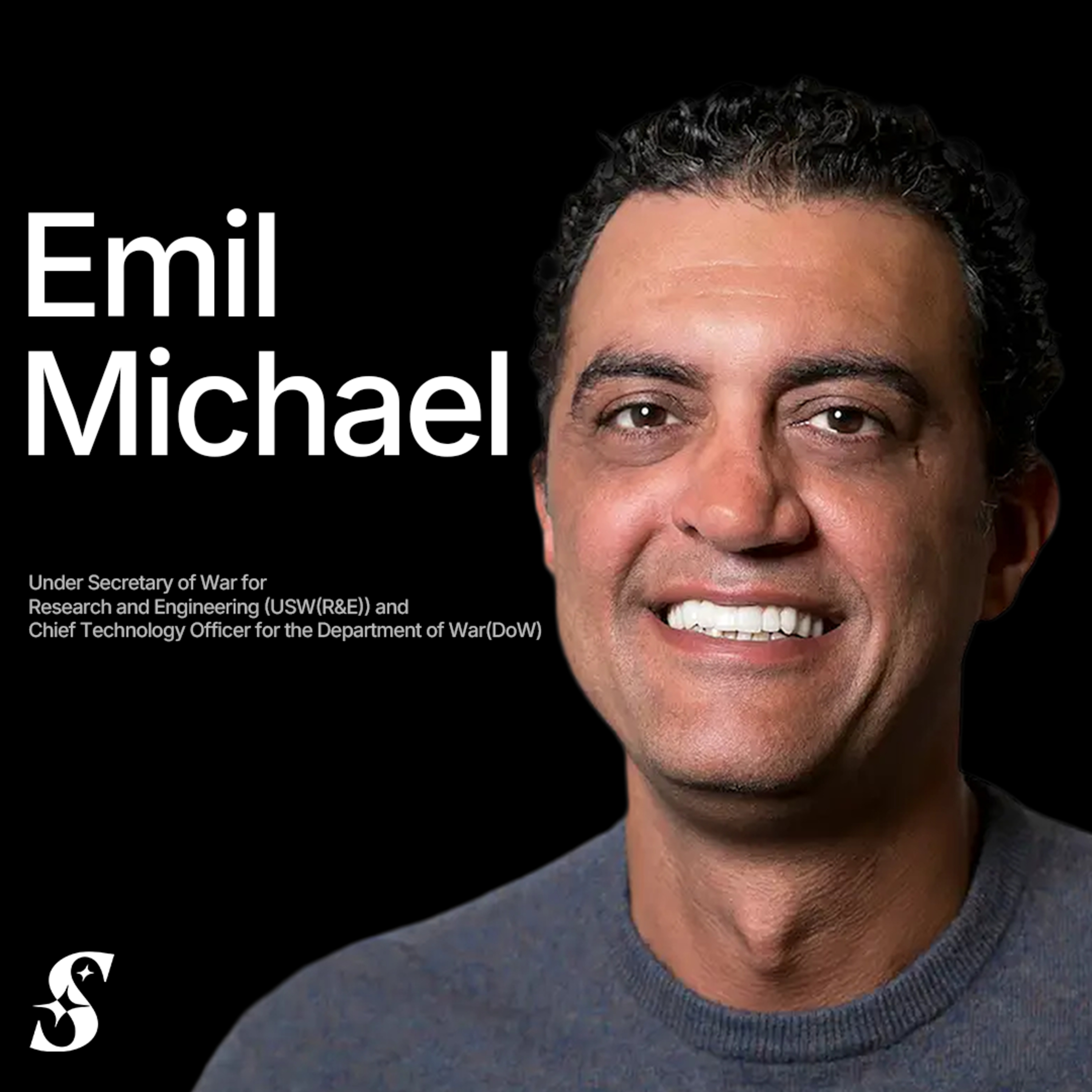
The Under Secretary of War's primary job is not just to fund technology, but to actively cultivate an ecosystem of new defense contractors. The stated goal is to create five more major companies capable of challenging established primes like Lockheed Martin, fostering competition and bringing new capabilities into the defense sector.
Related Insights
The conflict in Ukraine exposed the vulnerability of expensive, "exquisite" military platforms (like tanks) to inexpensive technologies (like drones). This has shifted defense priorities toward cheap, mass-producible, "attritable" systems. This fundamental change in product and economics creates a massive opportunity for startups to innovate outside the traditional defense prime model.

The next wave of space companies is moving away from the vertically integrated "SpaceX model" where everything is built in-house. Instead, a new ecosystem is emerging where companies specialize in specific parts of the stack, such as satellite buses or ground stations. This unbundling creates efficiency and lowers barriers to entry for new players.
Luckey reveals that Anduril prioritized institutional engagement over engineering in its early days, initially hiring more lawyers and lobbyists. The biggest challenge wasn't building the technology, but convincing the Department of Defense and political stakeholders to believe in a new procurement model, proving that shaping the system is a prerequisite for success.
![Palmer Luckey - Inventing the Future of Defense - [Invest Like the Best, CLASSICS] thumbnail](https://megaphone.imgix.net/podcasts/f7c9aa8e-cb8d-11f0-828e-0b281809c10a/image/cc07f91ec47f95abbde771a4956b37b7.jpg?ixlib=rails-4.3.1&max-w=3000&max-h=3000&fit=crop&auto=format,compress)
The Under Secretary of War, a former Uber executive, likens his government role to his startup experience. The key parallel is being a "political disruptor" who examines a massive, entrenched bureaucracy like the Department of War with a "clean sheet of paper," questioning existing processes and empowering change from first principles.
The government's procurement process often defaults to bidding out projects to established players like Lockheed Martin, even if a startup presents a breakthrough. Success requires navigating this bureaucratic reality, not just superior engineering.

The most effective government role in innovation is to act as a catalyst for high-risk, foundational R&D (like DARPA creating the internet). Once a technology is viable, the government should step aside to allow private sector competition (like SpaceX) to drive down costs and accelerate progress.

The defense tech sector is experiencing a perfect storm. This 'golden triangle' consists of: 1) Desperate customers in the Pentagon and Congress seeking innovation, 2) A wave of experienced founders graduating from successful firms like SpaceX and Anduril, and 3) Abundant downstream capital ready to fund growth.

Many defense startups fail despite superior technology because the government isn't ready to purchase at scale. Anduril's success hinges on identifying when the customer is ready to adopt new capabilities within a 3-5 year window, making market timing its most critical decision factor.
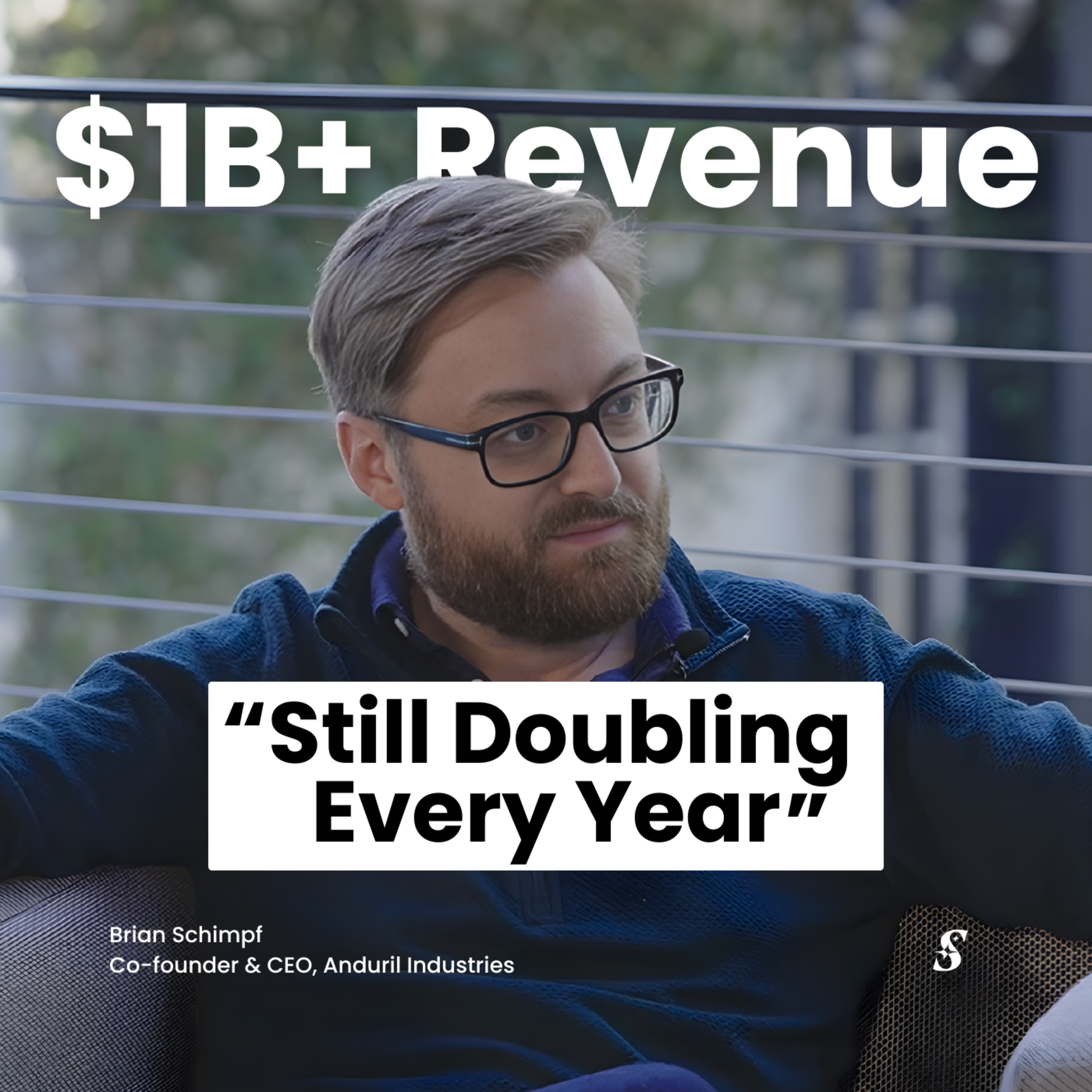
To rebuild its industrial base at speed, the US government must abandon its typical strategy of funding many small players. Instead, it should identify and place huge bets on a handful of trusted, patriotic entrepreneurs, giving them the scale, offtake agreements, and backing necessary to compete globally.

The go-to-market strategy for defense startups has evolved. While the first wave (e.g., Anduril) had to compete directly with incumbents, the 'Defense 2.0' cohort can grow much faster. They act as suppliers and partners to legacy prime contractors, who are now actively seeking to integrate their advanced technology.