Get your free personalized podcast brief
We scan new podcasts and send you the top 5 insights daily.
The decisive advantage in future conflicts will not be just technological superiority, but the ability to mass-produce weapons efficiently. After decades of offshoring manufacturing, re-industrializing the US to produce hardware at scale is Anduril's core strategic focus, viewing the factory itself as the ultimate weapon.

Related Insights
The romantic notion that the US can rapidly pivot its industrial base for war is a misleading myth. Today's weapons are vastly more complex and reliant on fragile global supply chains for components that are controlled by adversaries, making a WWII-style industrial mobilization impossible without years of preparation.

The conflict in Ukraine exposed the vulnerability of expensive, "exquisite" military platforms (like tanks) to inexpensive technologies (like drones). This has shifted defense priorities toward cheap, mass-producible, "attritable" systems. This fundamental change in product and economics creates a massive opportunity for startups to innovate outside the traditional defense prime model.

The US won World War II largely due to its unparalleled manufacturing capacity. Today, that strategic advantage has been ceded to China. In a potential conflict, the US would face an adversary that mirrors its own historical strength, creating a critical national security vulnerability.

The US defense industry's error was creating a separate, "exquisite" industrial base. The solution is designing weapons that can be built using existing, scalable commercial manufacturing techniques, mirroring the successful approach used during World War II.
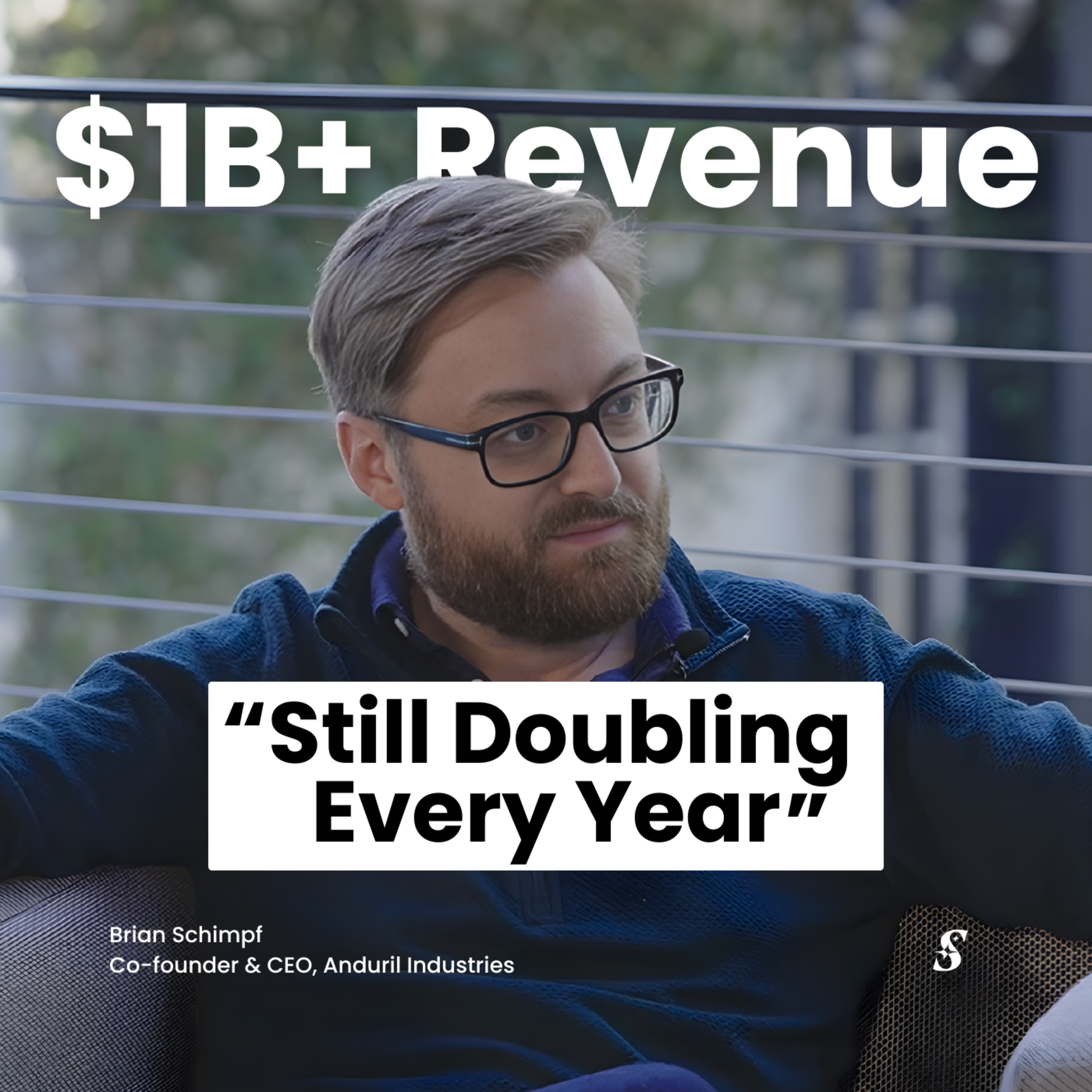
Massive backlogs for critical US military hardware are making America an unreliable supplier. This strategic vulnerability is pushing allied nations to develop their own defense industrial bases, creating a huge market for companies like Anduril that can co-develop and establish local production.
Unlike traditional contractors paid for time and materials, Anduril invests its own capital to develop products first. This 'defense product company' model aligns incentives with the government's need for speed and effectiveness, as profits are tied to rapid, successful delivery, not prolonged development cycles.
The Under Secretary of War defines the current "1938 moment" not as an imminent war, but as a critical juncture for rebuilding the domestic industrial base. The focus is on reversing decades of outsourcing critical components like minerals and pharmaceuticals, which created strategic vulnerabilities now deemed unacceptable for national security.
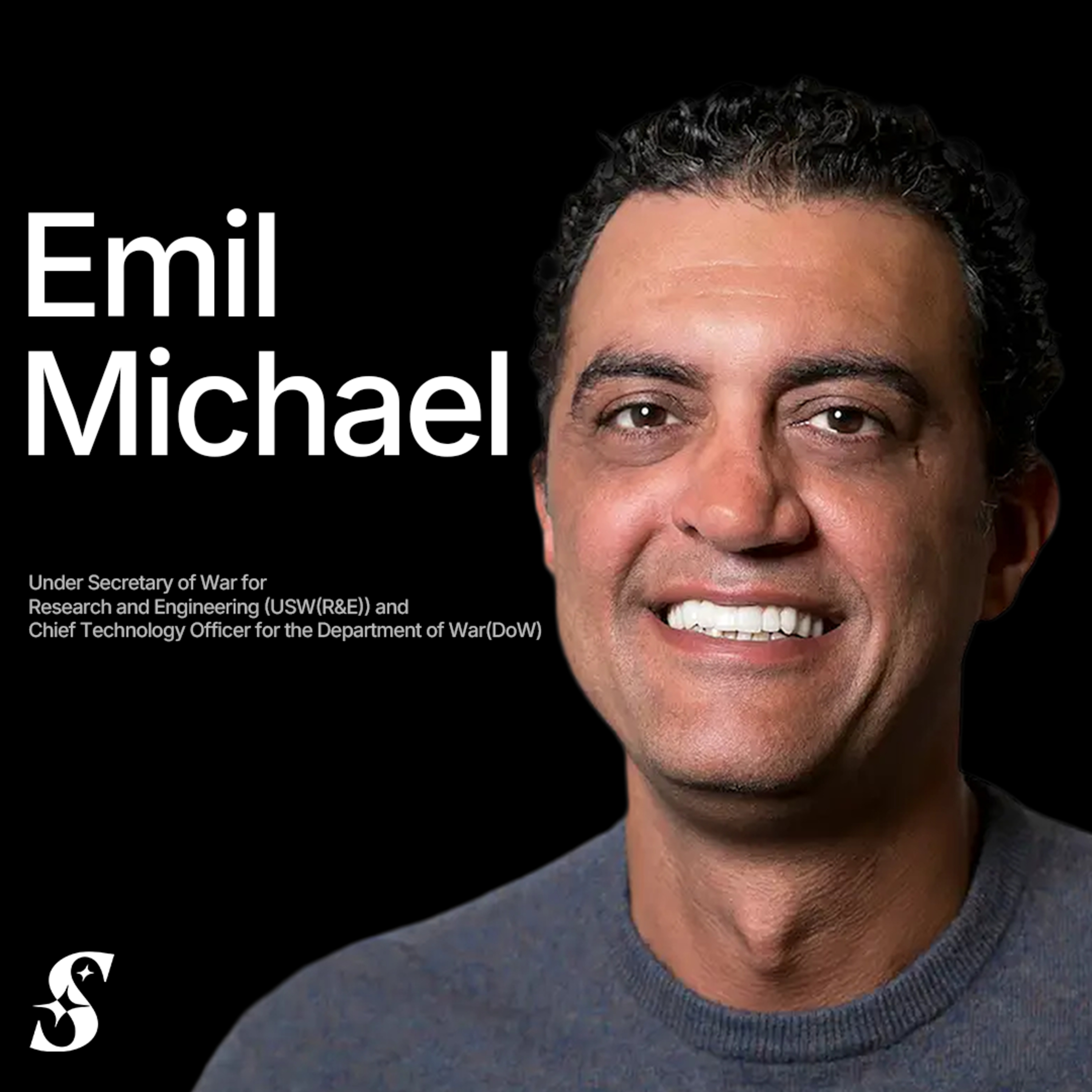
The U.S. military's power is no longer backed by a robust domestic industrial base. Decades of offshoring have made it dependent on rivals like China for critical minerals and manufacturing. This means the country can no longer sustain a prolonged conflict, a reality its defense planners ignore.

While the West may lead in AI models, China's key strategic advantage is its ability to 'embody' AI in hardware. Decades of de-industrialization in the U.S. have left a gap, while China's manufacturing dominance allows it to integrate AI into cars, drones, and robots at a scale the West cannot currently match.
The US military's 30-year strategy, born from the Gulf War, of relying on small numbers of technologically superior weapons is flawed. The war in Ukraine demonstrates that protracted, industrial-scale conflicts are won by mass and production volume, not just technological sophistication.