Get your free personalized podcast brief
We scan new podcasts and send you the top 5 insights daily.
Hillary Clinton argues a major hidden cost of the Iran war is the depletion of U.S. munitions, like Patriot missiles. These resources are desperately needed by Ukraine to fend off Russian attacks. The protracted conflict in the Middle East is directly undermining a potential victory in Europe.

Related Insights
While Ukraine successfully intercepts ~95% of drones, its critical vulnerability is the lack of anti-ballistic missiles like Patriots. Global production cannot meet demand, a shortage exacerbated by other conflicts, leaving Ukrainian cities exposed to Russia's most destructive attacks.

A critical, unforeseen consequence of the US-Israel conflict with Iran is the direct impact on Ukraine's defense capabilities. Patriot missile systems intended to protect Ukraine from Russian strikes have been redeployed to the Middle East, leaving Kyiv more vulnerable and demonstrating the interconnectedness of global conflicts.

The U.S. is facing a severe depletion of its precision munitions stockpiles, estimated at over 50%. This shortage severely constrains its ability to sustain a conflict with Iran while simultaneously maintaining a credible deterrent against China, creating a significant strategic vulnerability and weakening its global power projection.

The US faces a severe economic disadvantage in the Middle East conflict. Iran uses $30,000 drones that can disable $160 million tankers, while US countermeasures involve $4 million Patriot missiles. This cost imbalance allows Iran to inflict massive economic damage cheaply, posing a significant strategic threat.

A regional conflict like the one in Iran has immediate global consequences for military readiness. The massive expenditure of interceptor missiles will create a supply crunch for US forces in other strategic areas like the Pacific and for allies like Ukraine, as production cannot keep up with wartime demand.
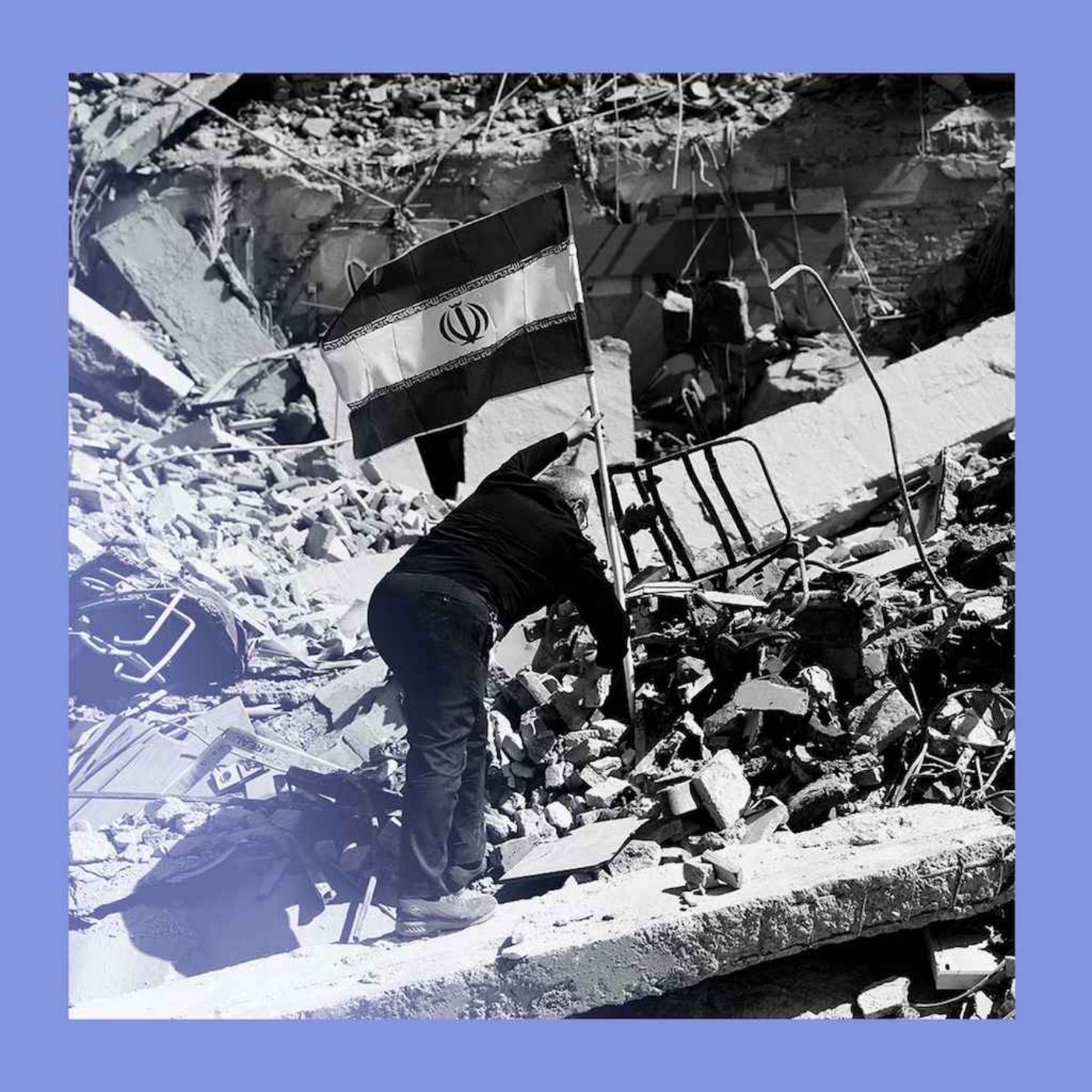
The massive expenditure of U.S. missile defense interceptors in the Iran conflict is significantly cutting into the total inventory. This depletion, which cannot be quickly replaced, creates a window of vulnerability that could tempt China to act on its regional ambitions while the U.S. is distracted and under-supplied.

Contrary to political rhetoric suggesting total dominance, US air superiority in Iran is limited to specific geographic areas and time-sensitive windows. This lack of persistent control forces the use of expensive, high-end munitions to mitigate risk to pilots, further draining valuable inventories needed for a high-end fight.

A recent Middle East conflict exposed a critical vulnerability: the U.S. and its allies used three years' worth of Patriot missile production in just 39 days. This highlights an unsustainable gap between peacetime industrial capacity and the consumption rates of modern warfare.

Expending high-end munitions like JASSM missiles on a secondary adversary like Iran critically depletes stockpiles essential for deterring a primary competitor like China. This creates a significant vulnerability, as the defense industrial base cannot quickly replenish these sophisticated weapons, undermining readiness for a major conflict.
The Iran conflict serves the strategic interests of China and Russia by distracting US attention and draining its military resources. It consumes critical assets (like Patriot missiles needed for Ukraine) and diverts political focus from containing America's primary geopolitical rivals in Europe and Asia.
