Get your free personalized podcast brief
We scan new podcasts and send you the top 5 insights daily.
The U.S. is facing a severe depletion of its precision munitions stockpiles, estimated at over 50%. This shortage severely constrains its ability to sustain a conflict with Iran while simultaneously maintaining a credible deterrent against China, creating a significant strategic vulnerability and weakening its global power projection.

Related Insights
The current munitions crisis is an opportunity to shift from expensive, slow-to-produce weapons like JASM-ERs to cheaper, modular systems. This rebalancing is necessary because high-end "exquisite" technologies have long, tenuous supply chains and cannot be produced at the scale required for a major conflict.

The US is projecting military strength based on a past era of manufacturing dominance. Prosecuting a prolonged conflict like the one in Iran is risky when the domestic industrial base can't produce munitions at the required scale, creating a strategic vulnerability where policy outpaces capability.
A regional conflict like the one in Iran has immediate global consequences for military readiness. The massive expenditure of interceptor missiles will create a supply crunch for US forces in other strategic areas like the Pacific and for allies like Ukraine, as production cannot keep up with wartime demand.
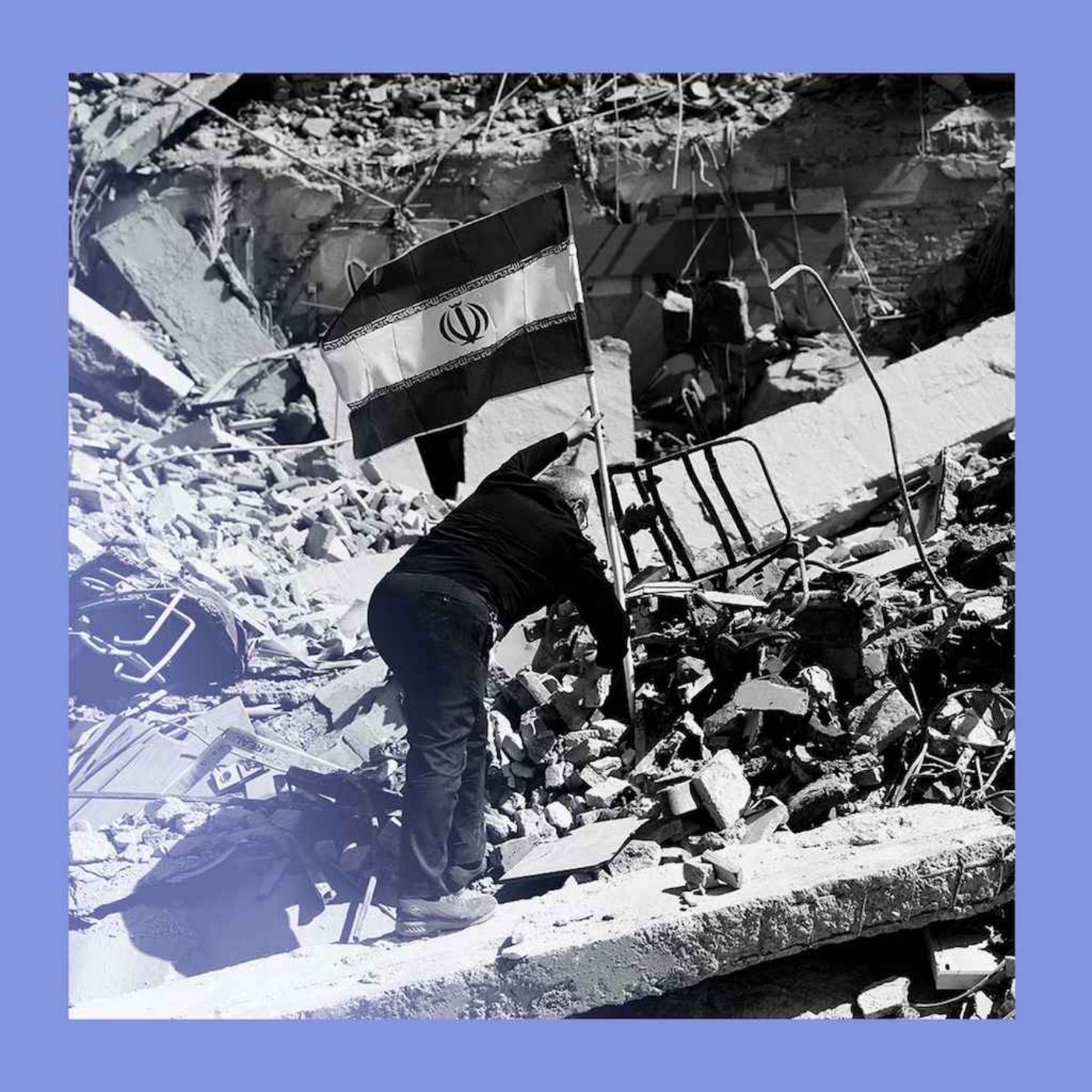
Unlike its post-WWII industrial might, the U.S. can no longer rapidly scale munitions manufacturing in a crisis. Decades of offshoring its industrial base, primarily to its main geopolitical rival China, combined with massive debt, has created a critical strategic vulnerability that prevents a swift, decisive industrial response to war.
The massive expenditure of U.S. missile defense interceptors in the Iran conflict is significantly cutting into the total inventory. This depletion, which cannot be quickly replaced, creates a window of vulnerability that could tempt China to act on its regional ambitions while the U.S. is distracted and under-supplied.

High-ranking Pentagon officials are using informal press leaks to signal to the President that the ongoing war with Iran is depleting precision munition stockpiles. This degrades the U.S.'s ability to fight a war over Taiwan and is a deliberate, time-honored D.C. communication tactic to influence policy.
Simulations of a conflict with China consistently show the US depleting its high-end munitions in about seven days. The industrial base then requires two to three years to replenish these stockpiles, revealing a massive gap between military strategy and production capacity that undermines deterrence.

A recent Middle East conflict exposed a critical vulnerability: the U.S. and its allies used three years' worth of Patriot missile production in just 39 days. This highlights an unsustainable gap between peacetime industrial capacity and the consumption rates of modern warfare.
Expending high-end munitions like JASSM missiles on a secondary adversary like Iran critically depletes stockpiles essential for deterring a primary competitor like China. This creates a significant vulnerability, as the defense industrial base cannot quickly replenish these sophisticated weapons, undermining readiness for a major conflict.
The high rate of munitions expenditure against Iran, a secondary power, proves the US cannot sustain a conventional, attrition-based war with China. This reality is forcing strategists to develop alternative deterrence concepts that don't rely on winning a "firepower competition" with the PLA.
