Get your free personalized podcast brief
We scan new podcasts and send you the top 5 insights daily.
A recent Middle East conflict exposed a critical vulnerability: the U.S. and its allies used three years' worth of Patriot missile production in just 39 days. This highlights an unsustainable gap between peacetime industrial capacity and the consumption rates of modern warfare.

Related Insights
Beyond immediate costs, prolonged conflicts drain stockpiles of sophisticated and slow-to-replace military hardware. The US has lost aerial tankers and a rare E-3 AWACS radar plane, of which it has fewer than 20. This rapid consumption of critical assets has significant implications for a nation's ability to fight future wars, a cost often overlooked in strategic planning.

The US faces a severe economic disadvantage in the Middle East conflict. Iran uses $30,000 drones that can disable $160 million tankers, while US countermeasures involve $4 million Patriot missiles. This cost imbalance allows Iran to inflict massive economic damage cheaply, posing a significant strategic threat.

Massive backlogs for critical US military hardware are making America an unreliable supplier. This strategic vulnerability is pushing allied nations to develop their own defense industrial bases, creating a huge market for companies like Anduril that can co-develop and establish local production.

A regional conflict like the one in Iran has immediate global consequences for military readiness. The massive expenditure of interceptor missiles will create a supply crunch for US forces in other strategic areas like the Pacific and for allies like Ukraine, as production cannot keep up with wartime demand.
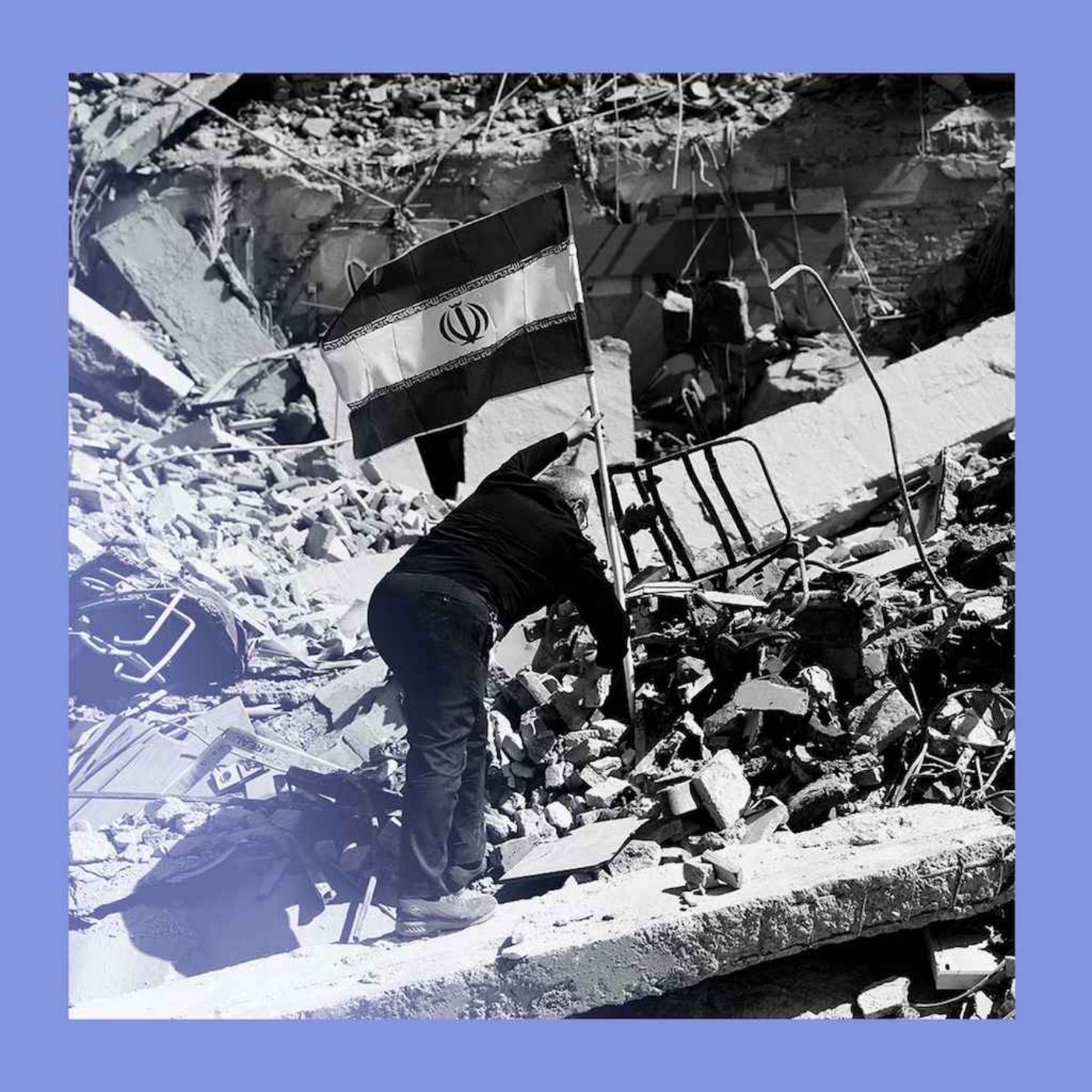
US policy and funding are often drawn to high-profile, 'sexy' areas like AI. However, the most pressing vulnerabilities lie in 'unsexy' domains like munitions production volume and basic manufacturing capacity. This focus on the frontier neglects the foundational industrial base required for sustained conflict.
The conflict reveals a critical vulnerability: nations burn through advanced interceptor missiles at a rate that vastly outpaces annual production. Firing two interceptors per incoming missile means that even well-stocked Gulf states could exhaust their pre-war supplies in days, exposing a major bottleneck in the defense supply chain.
The decisive advantage in future conflicts will not be just technological superiority, but the ability to mass-produce weapons efficiently. After decades of offshoring manufacturing, re-industrializing the US to produce hardware at scale is Anduril's core strategic focus, viewing the factory itself as the ultimate weapon.
The common belief that a large weapons stockpile deters adversaries is flawed. The war in Ukraine demonstrated that the true measure of deterrence is a nation's industrial capacity—the factory's ability to rapidly regenerate and replace assets consumed in conflict.

Simulations of a conflict with China consistently show the US depleting its high-end munitions in about seven days. The industrial base then requires two to three years to replenish these stockpiles, revealing a massive gap between military strategy and production capacity that undermines deterrence.

Iran can produce cheap Shahed drones weekly, while the US produces expensive PAC-3 interceptors annually. This massive production disparity means defense systems can be quickly depleted, leaving critical infrastructure like oil fields vulnerable.
