Get your free personalized podcast brief
We scan new podcasts and send you the top 5 insights daily.
The massive expenditure of U.S. missile defense interceptors in the Iran conflict is significantly cutting into the total inventory. This depletion, which cannot be quickly replaced, creates a window of vulnerability that could tempt China to act on its regional ambitions while the U.S. is distracted and under-supplied.

Related Insights
The conflict highlights a critical economic vulnerability in US defense strategy. The US is forced to use multi-million dollar missiles to counter Iranian drones that cost only $20,000. This massive cost imbalance demonstrates the power of asymmetric warfare and a significant strategic inefficiency for the US military.

A regional conflict like the one in Iran has immediate global consequences for military readiness. The massive expenditure of interceptor missiles will create a supply crunch for US forces in other strategic areas like the Pacific and for allies like Ukraine, as production cannot keep up with wartime demand.
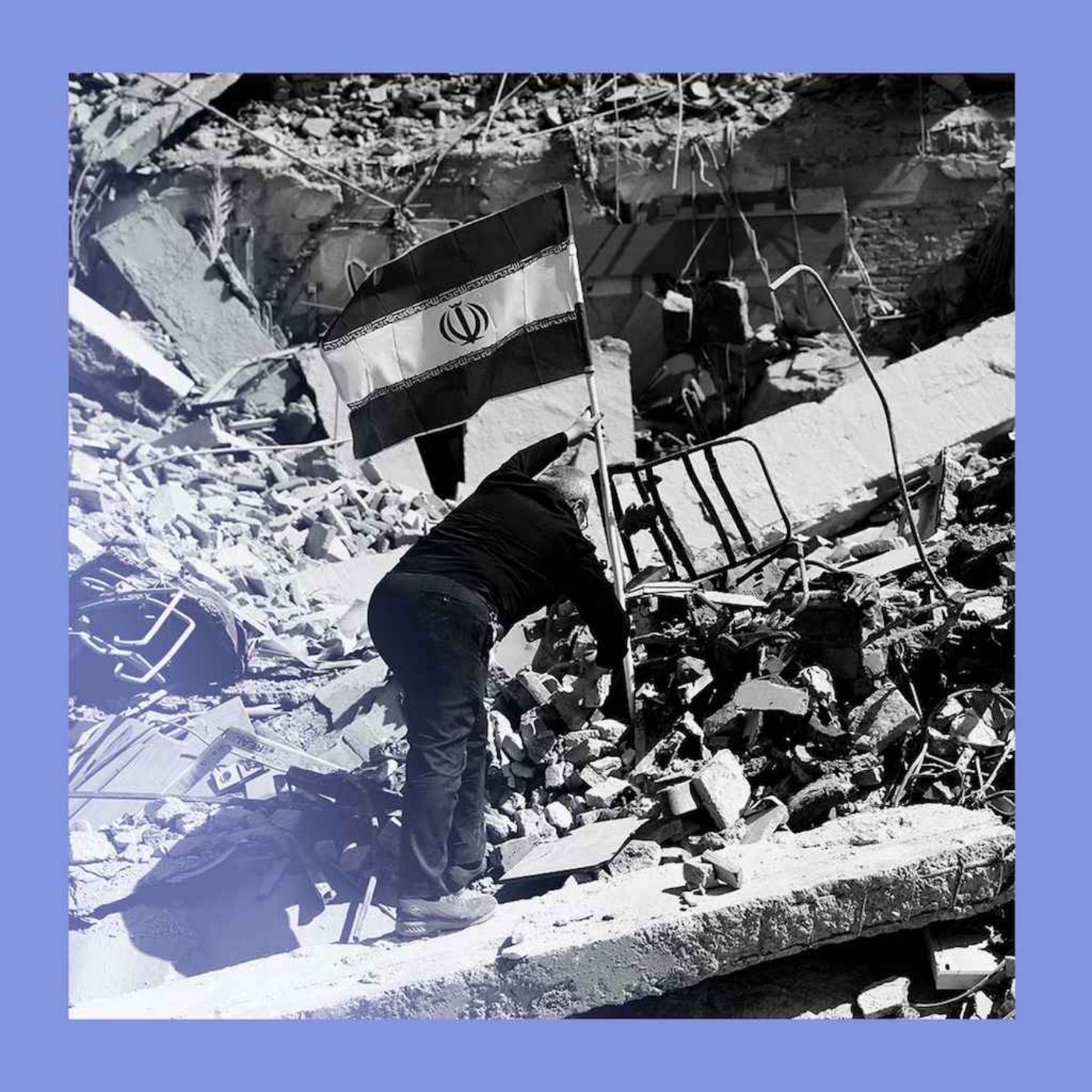
The US is moving from a global deterrence posture to concentrating massive force for specific operations, as seen with Iran. This strategy denudes other theaters of critical assets, creating windows of opportunity for adversaries like China while allies are left exposed.

A poorly executed war in Iran is creating the conditions for a domestic political backlash against defense spending. This jeopardizes the multi-year effort to build up munition stockpiles and advanced systems specifically for a potential Taiwan contingency, thereby weakening America's long-term posture against China.

By forcing the U.S. to operate its air defense systems at scale, the conflict in Iran is inadvertently providing China with a treasure trove of intelligence. The Chinese can observe how these systems perform, identify weaknesses, and refine their own tactics for a potential future conflict.
The conflict reveals a critical vulnerability: nations burn through advanced interceptor missiles at a rate that vastly outpaces annual production. Firing two interceptors per incoming missile means that even well-stocked Gulf states could exhaust their pre-war supplies in days, exposing a major bottleneck in the defense supply chain.
A protracted U.S. conflict in the Middle East is a strategic gift to China. It diverts American military resources, political attention, and economic strength, allowing China to expand its influence, particularly in Asia, without direct confrontation.

Simulations of a conflict with China consistently show the US depleting its high-end munitions in about seven days. The industrial base then requires two to three years to replenish these stockpiles, revealing a massive gap between military strategy and production capacity that undermines deterrence.

Iran can produce cheap Shahed drones weekly, while the US produces expensive PAC-3 interceptors annually. This massive production disparity means defense systems can be quickly depleted, leaving critical infrastructure like oil fields vulnerable.
The Iran conflict serves the strategic interests of China and Russia by distracting US attention and draining its military resources. It consumes critical assets (like Patriot missiles needed for Ukraine) and diverts political focus from containing America's primary geopolitical rivals in Europe and Asia.
