Get your free personalized podcast brief
We scan new podcasts and send you the top 5 insights daily.
Having sat on both sides of the table, Erik van den Berg defines the distinct roles. Management's job is to execute the plan, solve daily problems, and create operational options. The board's role is to challenge assumptions, provide high-level connections, and act as a strategic coach for the leadership team.

Related Insights
Reed Hastings argues board members lack daily context to add value with advice. Their true function is to be an "insurance layer," with their most crucial responsibility being the decision to replace the CEO if needed. They must learn the business not to advise, but to be prepared for that moment.
![Reed Hastings - Building Netflix - [Invest Like the Best, EP.453] thumbnail](https://megaphone.imgix.net/podcasts/2f1ecac4-e4ba-11f0-a8e8-777eb8de0c5a/image/28fb3c25b09448a35f17657a5e614900.jpg?ixlib=rails-4.3.1&max-w=3000&max-h=3000&fit=crop&auto=format,compress)
A board member's role is to provide outside perspective to help a CEO think through a problem, not to make the decision. CEOs who ask 'what should we do?' risk abdicating responsibility to someone who lacks the deep operational context to make the right call. This can be destructive to a CEO's development.

A CEO's primary role differs fundamentally based on company type. In an asset-centric biotech, the CEO must act as a hands-on program manager, micromanaging execution. In a platform company, the CEO must be deeply embedded in the science to predict and leverage the technology's long-term trajectory.

Effective private equity boards function as strategic advisory councils rather than governance bodies. Board members are expected to be co-investors who actively help with strategy, networking, and operational challenges like procurement, making them a key part of the value creation engine.

The transition from a leadership role at a large pharma company like Gilead to a biotech CEO involves a massive shift in scope. Instead of managing one large function with a large team, a biotech CEO is hands-on with every aspect of the company, from science to finance.

To build stronger alignment and leverage board expertise, Chili's CEO pairs each executive with a specific board member as a mentor. This formal structure moves beyond typical board presentations to create genuine working relationships and opportunities for targeted guidance.

Ping Wu details how he leverages his board: he consults Doug Leone on SaaS company-building patterns, Sebastian Thrun on long-term AI trends, and former member Carl Eschenbach on go-to-market operations. This demonstrates a strategic approach to extracting maximum value from a diverse board.
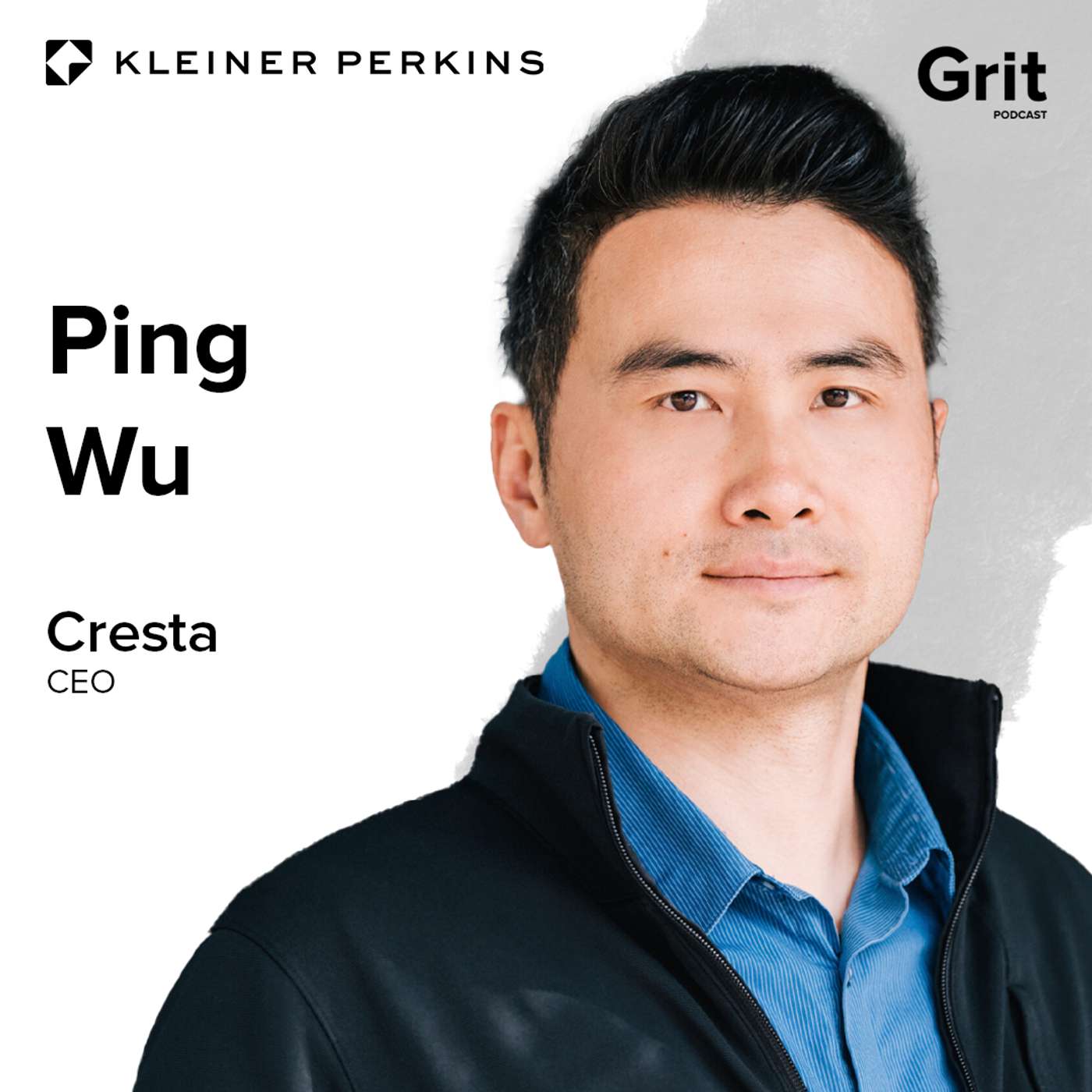
The most valuable role for a board member isn't giving advice, but acting as a "sparring partner." This involves asking sharp questions that help founders surface their own insights and gain clarity on ideas they already hold, especially when navigating uncharted territory.
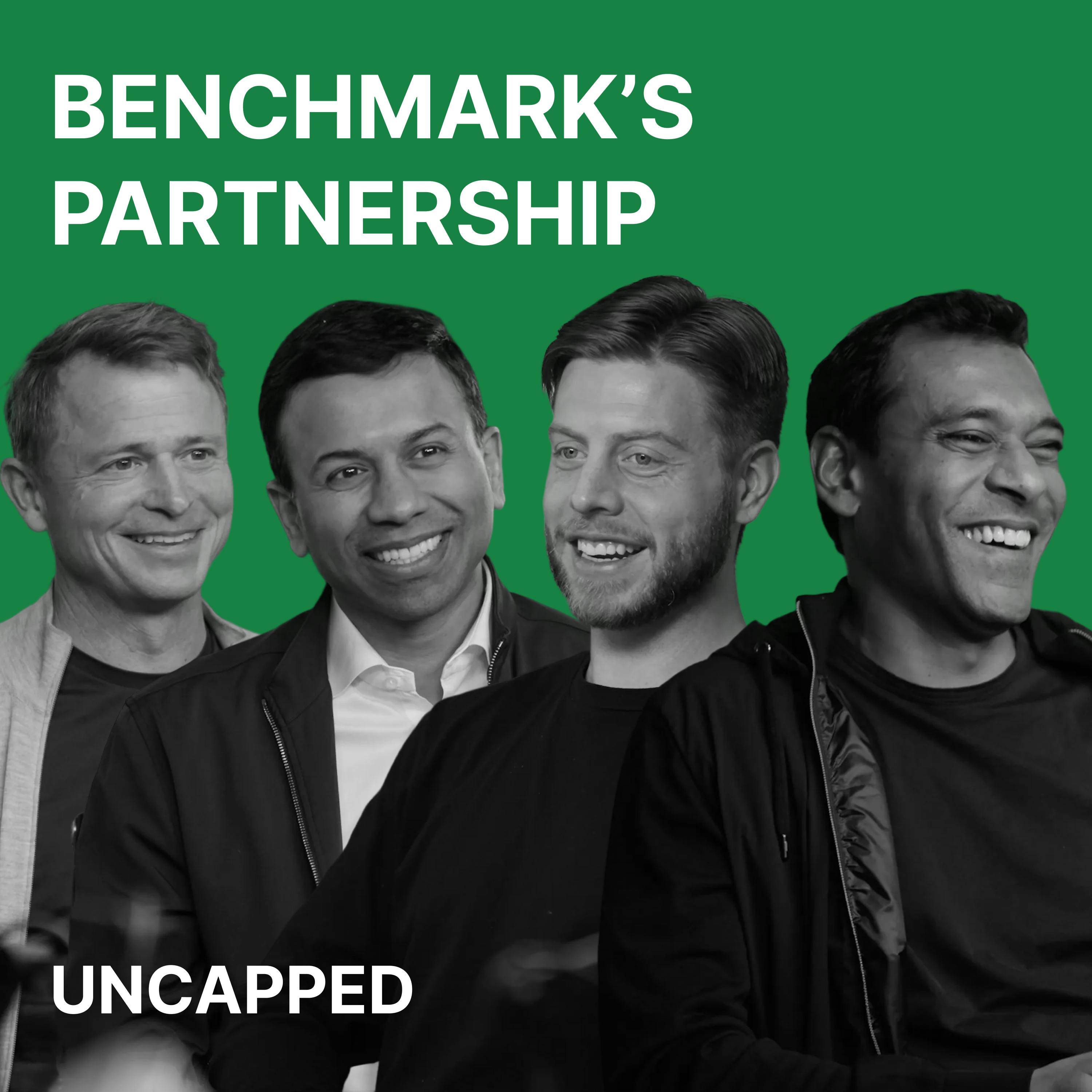
The most valuable board directors go beyond fiduciary oversight and serve as a confidential peer and sounding board for the CEO. This relationship is crucial in a role that often lacks internal peers for strategic counsel.

Exor's governance model focuses on finding the right leaders and then giving them space to execute. They review plans and organizational structures but avoid micromanagement, viewing their role as a supportive yet challenging partner to the CEOs of their portfolio companies.
![Exor: Fiat Crisis to Ferrari Glory - [Business Breakdowns, EP.229] thumbnail](https://megaphone.imgix.net/podcasts/81a71ab6-9e6b-11f0-8aff-7bd806e17203/image/1c411f84b9b949374f0accaa0a5ff38a.jpg?ixlib=rails-4.3.1&max-w=3000&max-h=3000&fit=crop&auto=format,compress)