Get your free personalized podcast brief
We scan new podcasts and send you the top 5 insights daily.
Reed Hastings argues board members lack daily context to add value with advice. Their true function is to be an "insurance layer," with their most crucial responsibility being the decision to replace the CEO if needed. They must learn the business not to advise, but to be prepared for that moment.
![Reed Hastings - Building Netflix - [Invest Like the Best, EP.453] thumbnail](https://megaphone.imgix.net/podcasts/2f1ecac4-e4ba-11f0-a8e8-777eb8de0c5a/image/28fb3c25b09448a35f17657a5e614900.jpg?ixlib=rails-4.3.1&max-w=3000&max-h=3000&fit=crop&auto=format,compress)
Related Insights
A founder's real boss is their customer base. While keeping a board happy is important, some CEOs become so consumed with managing up that they lose sight of the product and customer needs, ultimately driving the company off a cliff despite running perfect board meetings.

The demands of the CEO role—focusing on external stakeholders and high-level strategy—inevitably distance them from operational realities. This counterintuitive insight argues against the "Imperial CEO" model and highlights the constant risk of losing touch with the business.
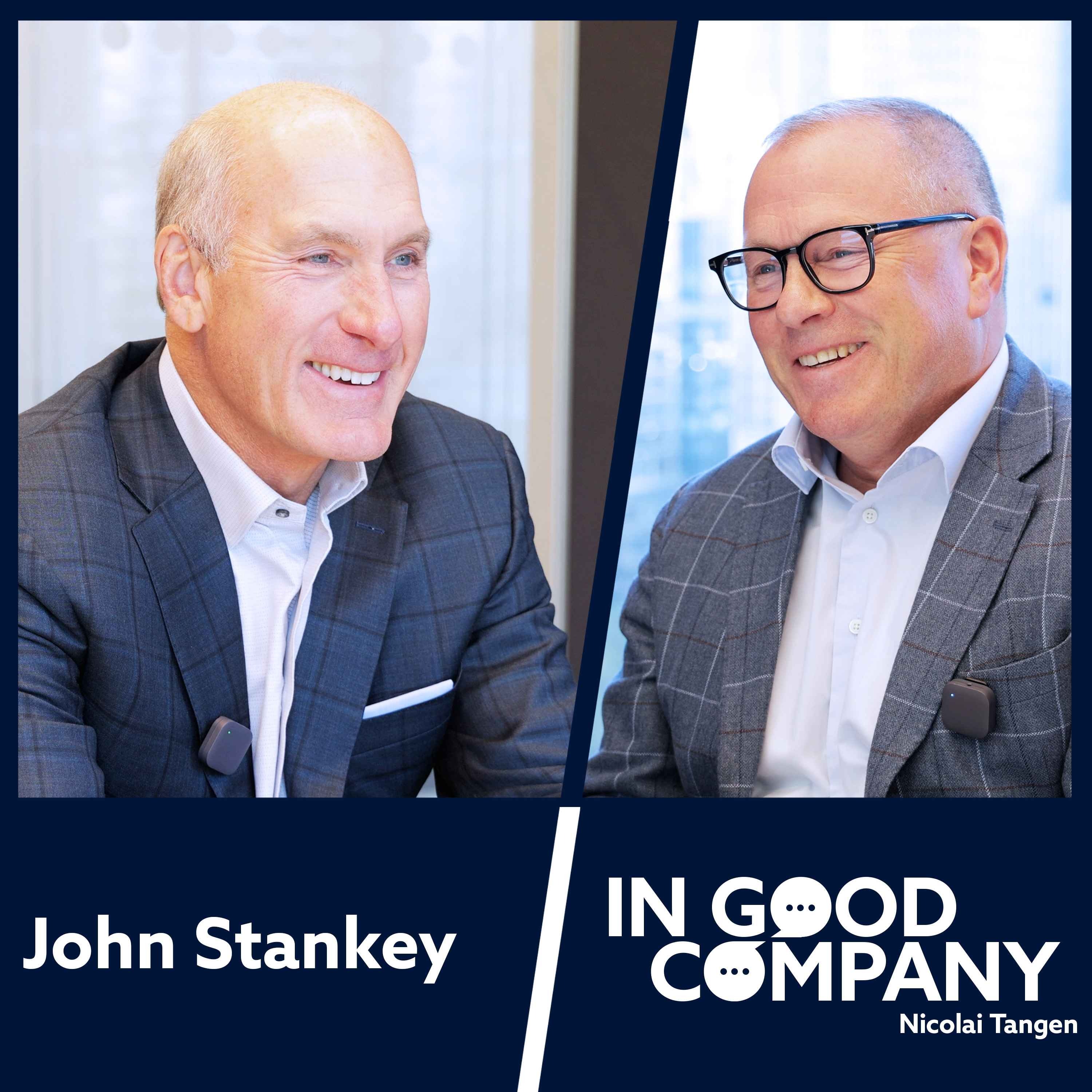
When an executive leaves, the CEO should step in to run their department directly. This provides invaluable operational context for hiring a replacement and empowers the CEO to make necessary but difficult changes (org structure, personnel) that a new hire would hesitate to implement.
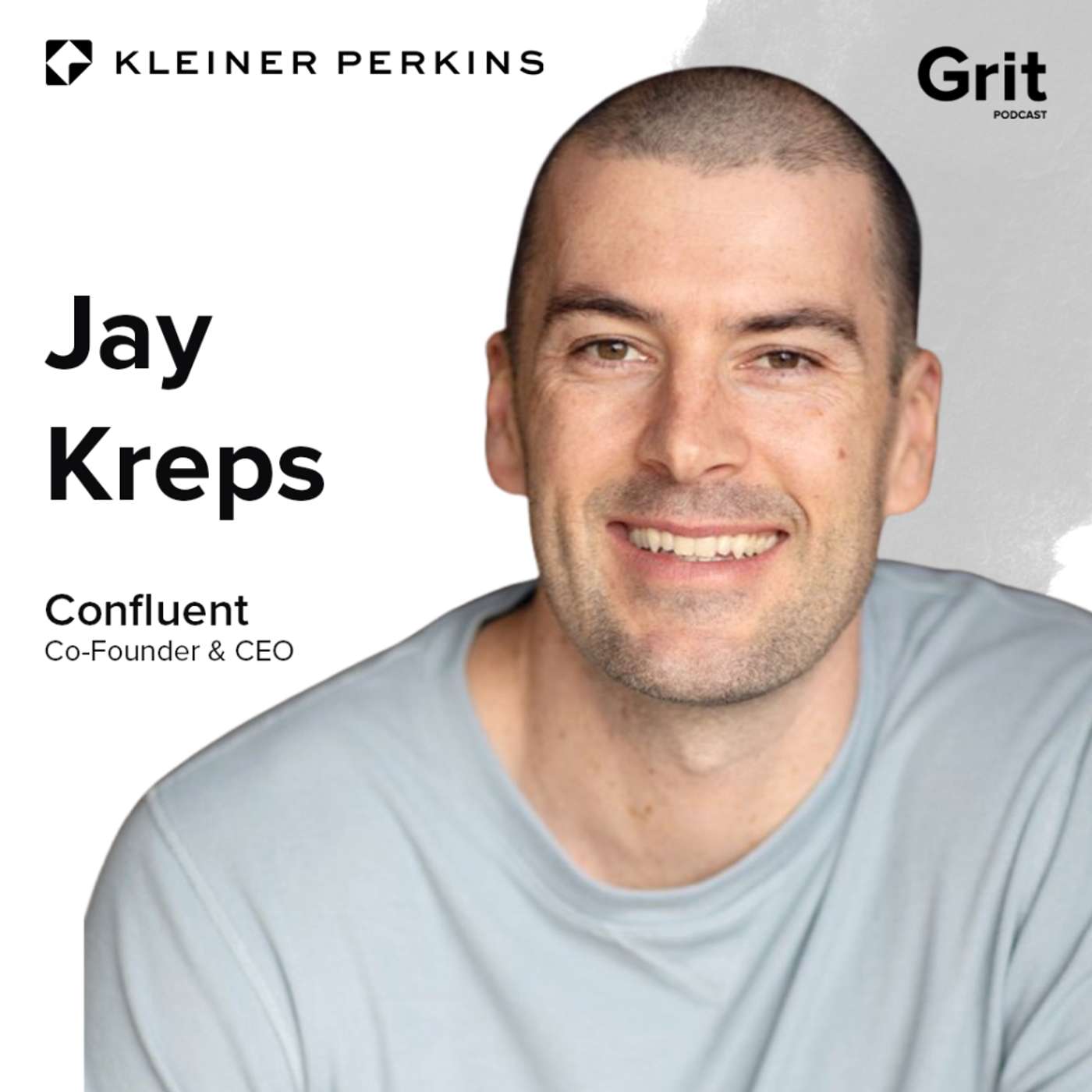
Executives often interview by recounting past achievements, a "rear-view mirror" approach. To win a board seat, candidates must adopt a forward-looking governance mindset. This involves asking thought-provoking strategic questions about the future, demonstrating they can operate as a peer from day one.

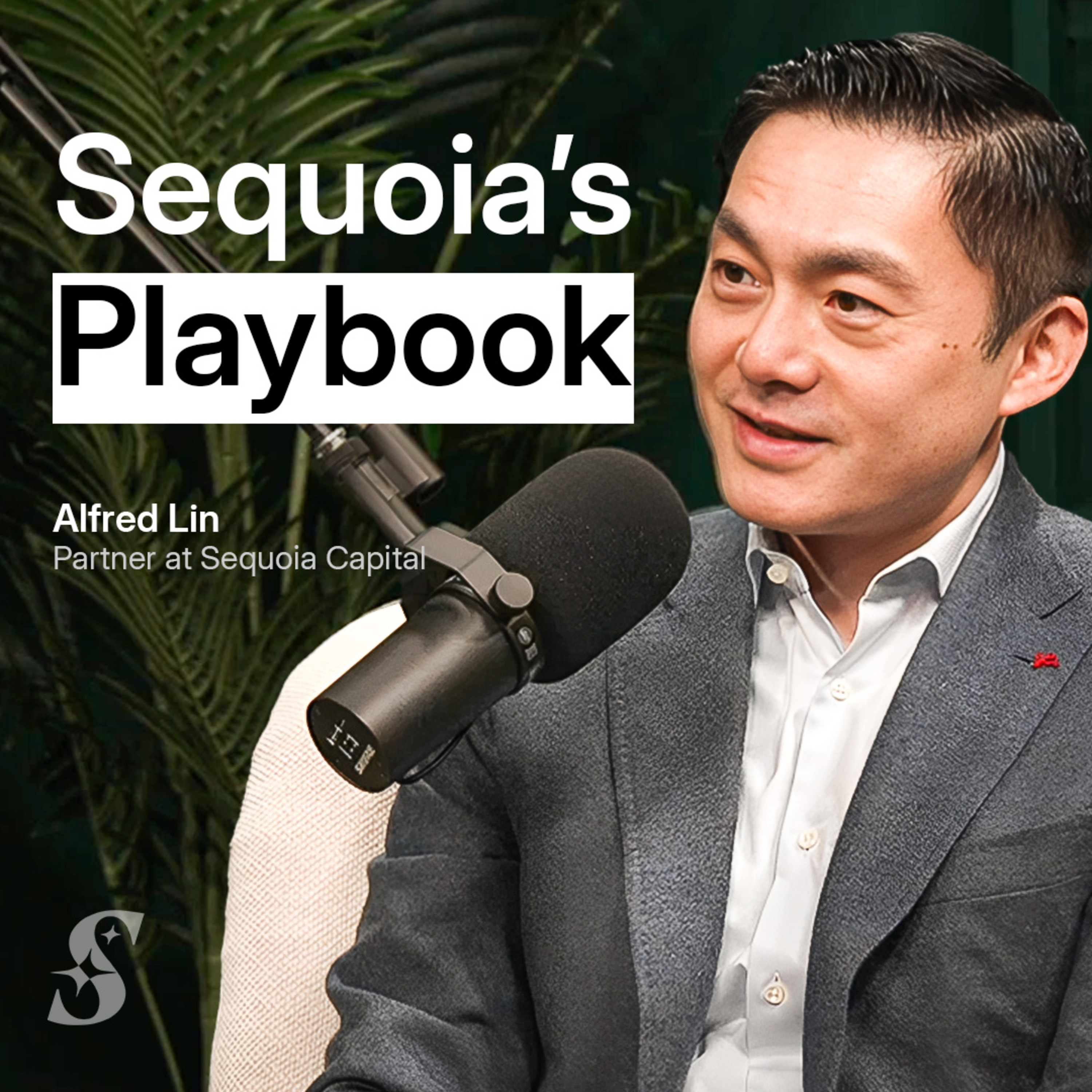
Alfred Lin's framework for board members is to be supportive 'shock absorbers' during hardships, helping founders pick up the pieces. When the company is succeeding, they become 'sparring partners' to challenge founders, prevent complacency, and push the business to the next level.
Effective private equity boards function as strategic advisory councils rather than governance bodies. Board members are expected to be co-investors who actively help with strategy, networking, and operational challenges like procurement, making them a key part of the value creation engine.

Even with full board support, a successor CEO may lack the intrinsic 'moral authority' to make drastic 'burn the boats' decisions. This courage is harder to summon without the deep-seated capital a founder naturally possesses, making company-altering transformation more challenging for an outsider.

CEOs are often exceptional at building relationships, which can co-opt a board of directors. Directors become friends, lose objectivity, and avoid tough conversations about performance or succession, ultimately failing in their governance duties because they "just want them to win."

Successor CEOs cannot replicate the founder's all-encompassing "working memory" of the company and its products. Recognizing this is key. The role must shift from knowing everything to building a cohesive team and focusing on the few strategic decisions only the CEO can make.
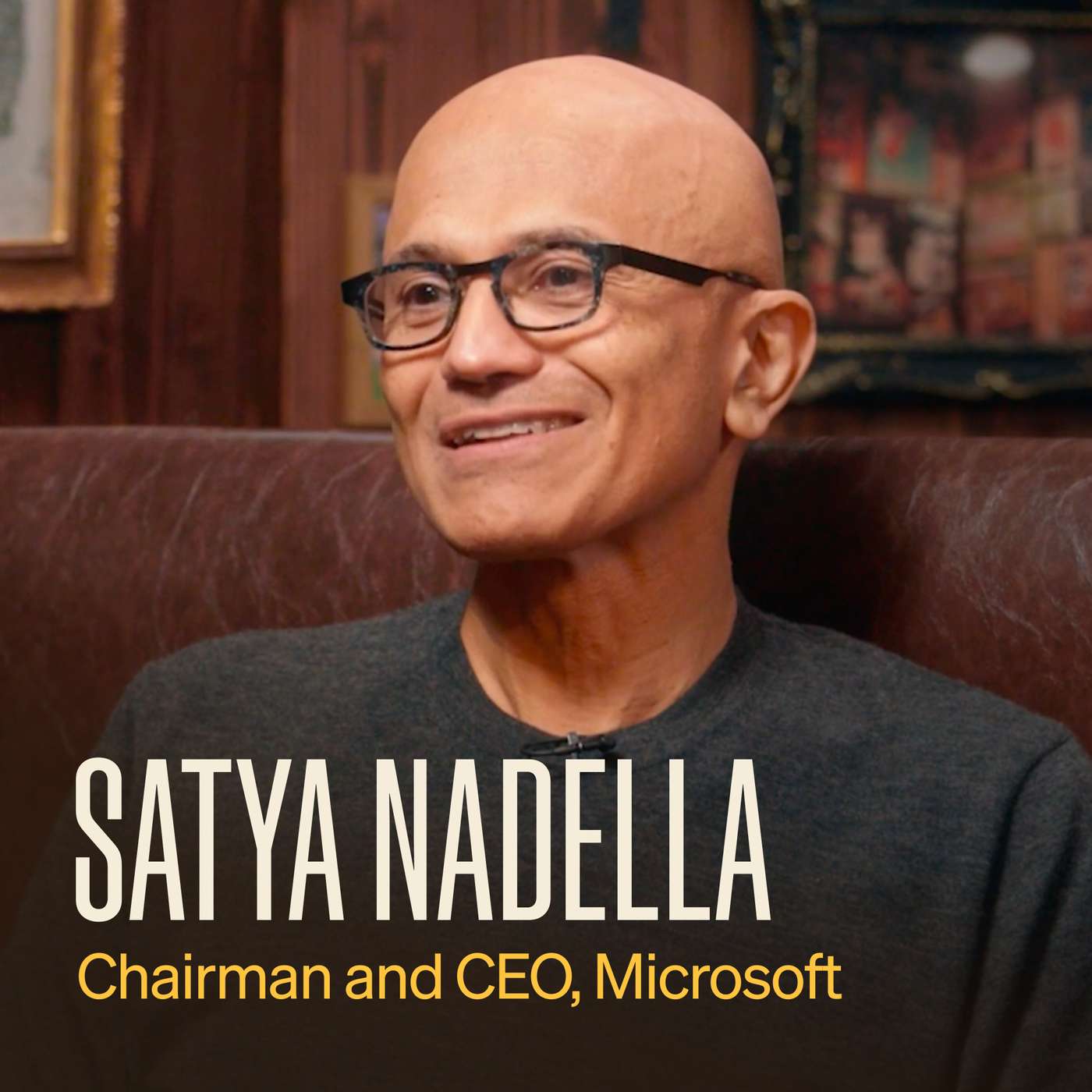
Founders remain long after hired executives depart, inheriting the outcomes of past choices. This long-term ownership is a powerful justification for founders to stay deeply involved in key decisions, trusting their unique context over an expert's resume.
