Get your free personalized podcast brief
We scan new podcasts and send you the top 5 insights daily.
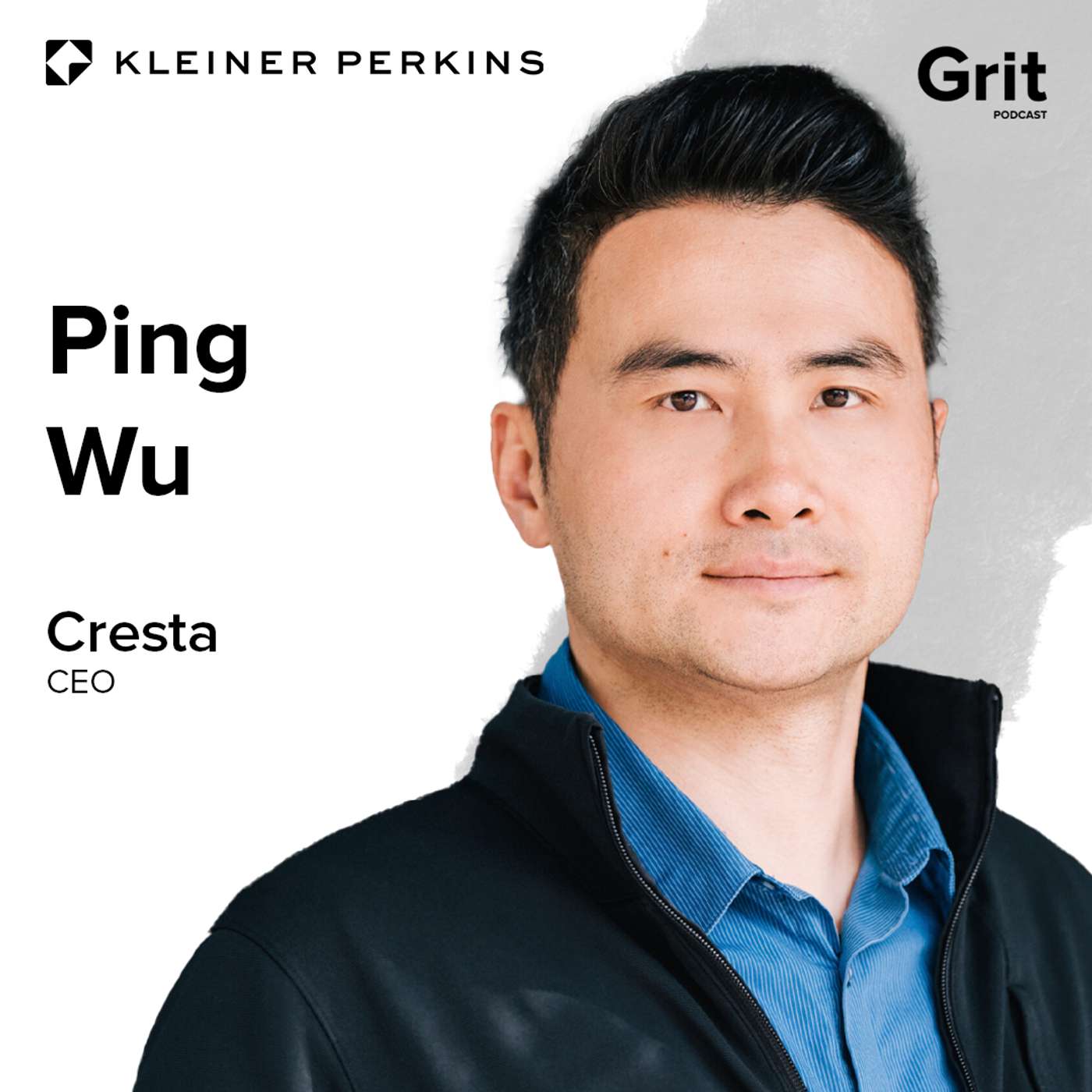
Ping Wu details how he leverages his board: he consults Doug Leone on SaaS company-building patterns, Sebastian Thrun on long-term AI trends, and former member Carl Eschenbach on go-to-market operations. This demonstrates a strategic approach to extracting maximum value from a diverse board.
Related Insights
A board member's role is to provide outside perspective to help a CEO think through a problem, not to make the decision. CEOs who ask 'what should we do?' risk abdicating responsibility to someone who lacks the deep operational context to make the right call. This can be destructive to a CEO's development.

Effective private equity boards function as strategic advisory councils rather than governance bodies. Board members are expected to be co-investors who actively help with strategy, networking, and operational challenges like procurement, making them a key part of the value creation engine.

When fundraising, the most critical choice isn't the VC fund's brand but the specific partner who will join the board. Sophisticated founders vet the individual's strengths, weaknesses, and working style, as that person has a more direct impact on the company than the firm's logo on a term sheet.

To build stronger alignment and leverage board expertise, Chili's CEO pairs each executive with a specific board member as a mentor. This formal structure moves beyond typical board presentations to create genuine working relationships and opportunities for targeted guidance.

A powerful, practical application of AI for leaders is to treat it as a multidisciplinary advisor or "Co-CEO." This framing allows for high-level collaboration on strategic planning, tapping into AI's expertise across finance, legal, HR, and operations.

A manager is not a mentor. Instead of depending on a single, formal mentor within their reporting structure, aspiring leaders should cultivate a personal 'board' of two or three trusted advisors. This external network provides diverse, on-demand input for specific business situations that fall outside a leader's direct experience or comfort zone.

The most valuable role for a board member isn't giving advice, but acting as a "sparring partner." This involves asking sharp questions that help founders surface their own insights and gain clarity on ideas they already hold, especially when navigating uncharted territory.
CPC separates board meetings into two sessions: a virtual one for reviewing past results with functional leaders, and a subsequent in-person meeting for forward-looking strategy with the CEO. This structure prevents the common trap of getting bogged down in past performance when strategic, future-focused discussion is needed.

The most valuable board directors go beyond fiduciary oversight and serve as a confidential peer and sounding board for the CEO. This relationship is crucial in a role that often lacks internal peers for strategic counsel.

Instead of a top-down agenda, Brad Jacobs has his leadership team collaboratively create it for key meetings. Attendees submit and rank questions based on pre-read materials. Only the highest-rated topics make the final agenda. This bottom-up approach ensures the meeting focuses on what the team collectively deems most critical.