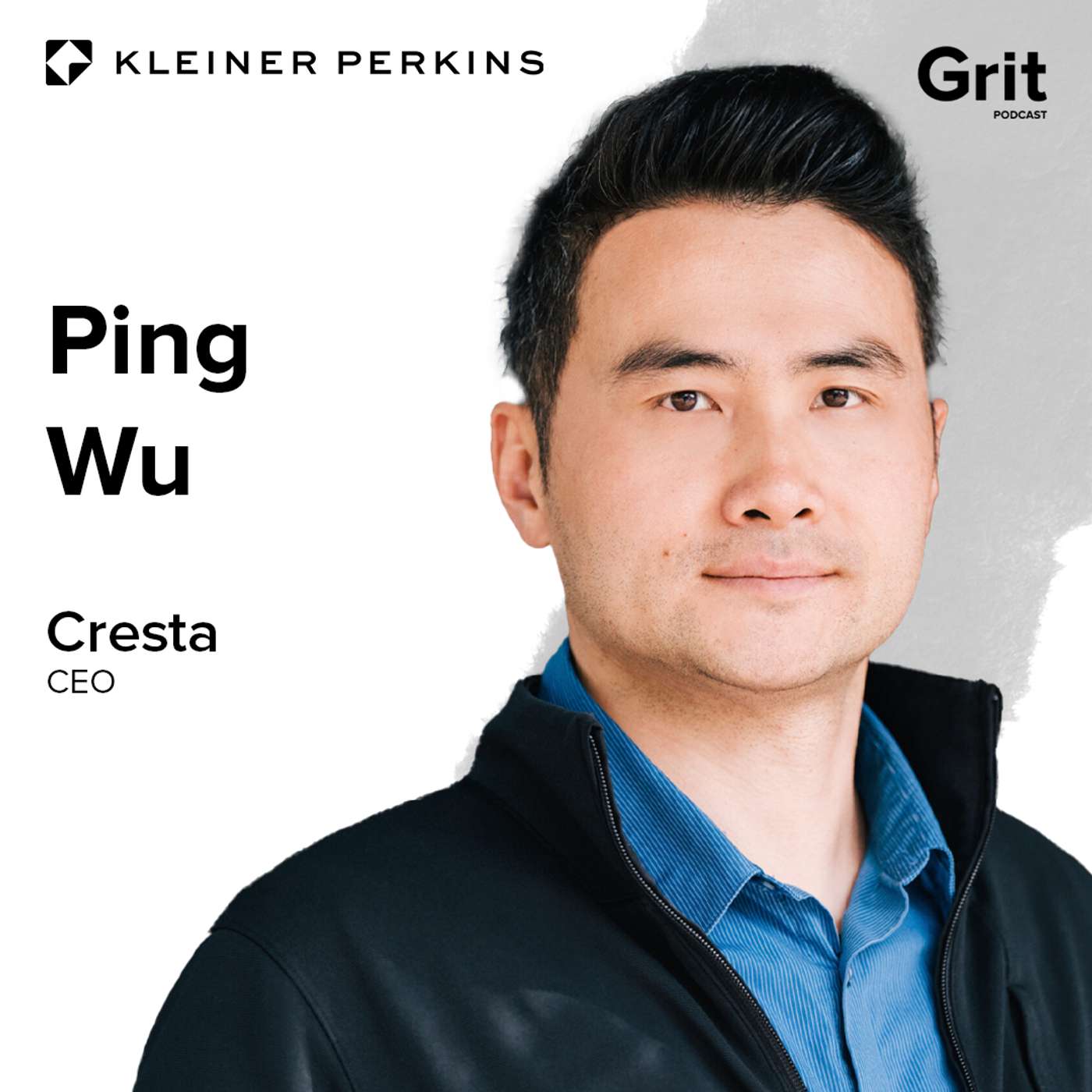
Cresta's CEO categorizes customer interactions into three types: those caused by broken processes (eliminate), transactional tasks (automate), and high-emotion issues (augment humans). This framework provides a nuanced approach to AI in customer experience, moving beyond a simple automation-first mindset.
The CEO of Cresta argues that the true ceiling for automation isn't just the AI model's capability. It's equally constrained by the complexity of the business's offerings, the modernity of its IT infrastructure (i.e., API availability), and the digital-savviness of its customer base.
High private valuations aren't just about pressure; they signal to potential hires that future success is already priced in. Cresta's CEO notes that smart candidates may opt out, recognizing that even with flawless execution, their equity upside is capped, making it a less attractive proposition.
Cresta's CEO argues that while the internet's evolution from 1995-2001 was somewhat foreseeable, the advancements in AI since 2019 would have been unimaginable even to the experts who wrote the foundational papers. This highlights the unprecedented nature of the current technological shift.
Cresta's CEO advocates for a single AI platform that both assists human agents and powers full automation. This creates a powerful feedback loop: when an AI agent fails, the system observes the human's successful resolution, capturing data to improve the next AI agent iteration.
Many engineers start by wanting to work on cutting-edge, abstract technical challenges (like LLM memory) but later pivot to finding greater satisfaction in applying that technology to solve concrete customer problems with measurable business impact, a common 'metamorphosis' in their careers.
Beyond API integrations, LLMs face significant hurdles in enterprise settings. They struggle to follow complex instructions reliably, can't yet interact with legacy graphical UIs effectively, and are stymied by the absence of clean, centralized knowledge bases, instead facing scattered 'tribal knowledge.'
Ping Wu details how he leverages his board: he consults Doug Leone on SaaS company-building patterns, Sebastian Thrun on long-term AI trends, and former member Carl Eschenbach on go-to-market operations. This demonstrates a strategic approach to extracting maximum value from a diverse board.