Get your free personalized podcast brief
We scan new podcasts and send you the top 5 insights daily.
The most valuable board directors go beyond fiduciary oversight and serve as a confidential peer and sounding board for the CEO. This relationship is crucial in a role that often lacks internal peers for strategic counsel.

Related Insights
Reed Hastings argues board members lack daily context to add value with advice. Their true function is to be an "insurance layer," with their most crucial responsibility being the decision to replace the CEO if needed. They must learn the business not to advise, but to be prepared for that moment.
![Reed Hastings - Building Netflix - [Invest Like the Best, EP.453] thumbnail](https://megaphone.imgix.net/podcasts/2f1ecac4-e4ba-11f0-a8e8-777eb8de0c5a/image/28fb3c25b09448a35f17657a5e614900.jpg?ixlib=rails-4.3.1&max-w=3000&max-h=3000&fit=crop&auto=format,compress)
Horowitz argues that a board's primary function isn't just strategic advice, but to legally protect the CEO. Running material decisions like equity grants past the board shields the CEO from personal liability and lawsuits—a danger many founders underestimate.

A board member's role is to provide outside perspective to help a CEO think through a problem, not to make the decision. CEOs who ask 'what should we do?' risk abdicating responsibility to someone who lacks the deep operational context to make the right call. This can be destructive to a CEO's development.
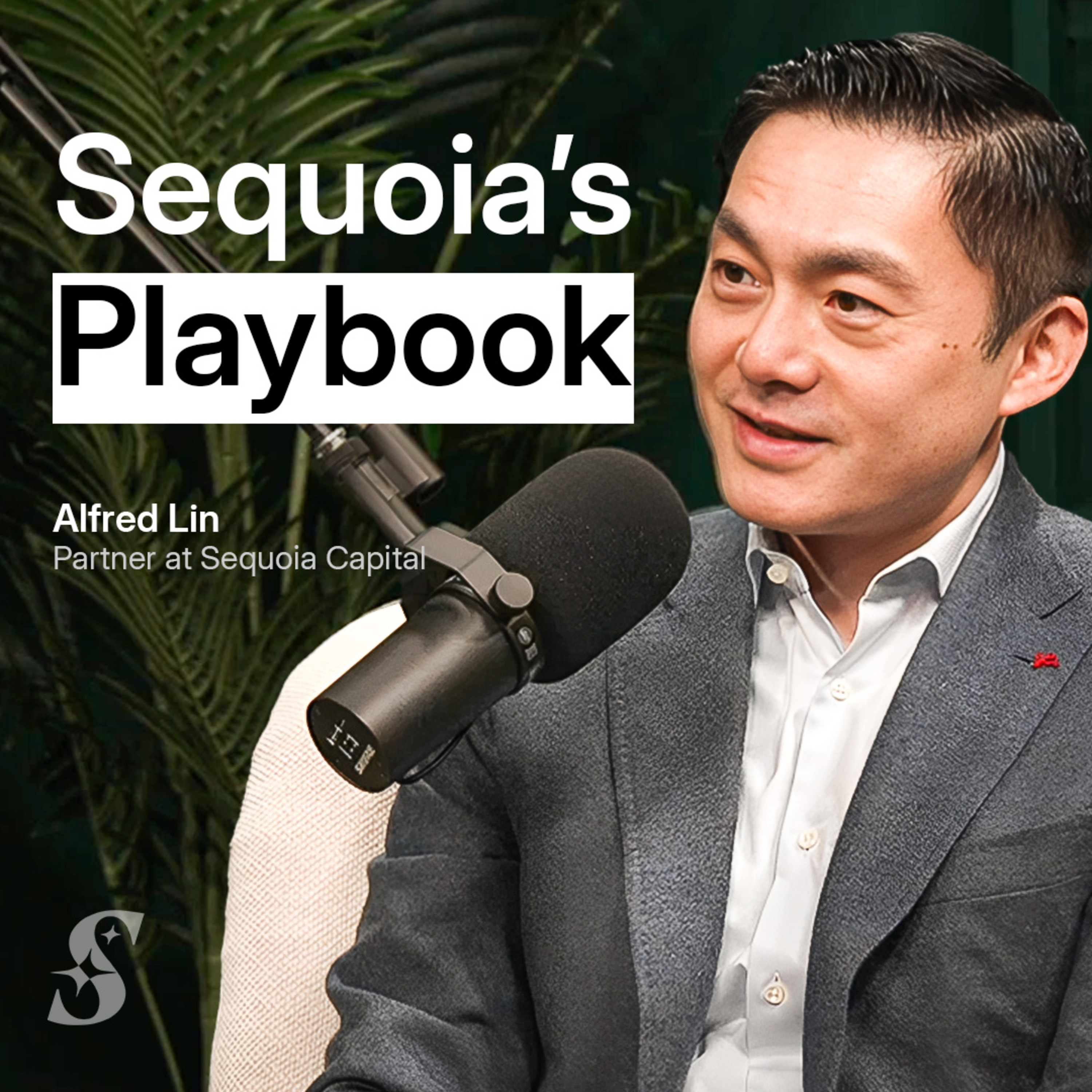
Alfred Lin's framework for board members is to be supportive 'shock absorbers' during hardships, helping founders pick up the pieces. When the company is succeeding, they become 'sparring partners' to challenge founders, prevent complacency, and push the business to the next level.
Effective private equity boards function as strategic advisory councils rather than governance bodies. Board members are expected to be co-investors who actively help with strategy, networking, and operational challenges like procurement, making them a key part of the value creation engine.

To build stronger alignment and leverage board expertise, Chili's CEO pairs each executive with a specific board member as a mentor. This formal structure moves beyond typical board presentations to create genuine working relationships and opportunities for targeted guidance.

Horowitz argues that forgoing a board is a massive legal risk for CEOs. A board's primary function is to provide a legal shield. Running material decisions, like equity grants, past the board protects the CEO from personal liability and lawsuits from shareholders. Without this process, founders are dangerously exposed.
Horowitz cautions against board members having daily, high-frequency interactions. A CEO ultimately must stand alone and develop high conviction to make difficult decisions. Constantly looking to an outsider for answers can stunt this growth and lead to poor outcomes, as the outsider lacks full context.
CEOs are often exceptional at building relationships, which can co-opt a board of directors. Directors become friends, lose objectivity, and avoid tough conversations about performance or succession, ultimately failing in their governance duties because they "just want them to win."

Exor's governance model focuses on finding the right leaders and then giving them space to execute. They review plans and organizational structures but avoid micromanagement, viewing their role as a supportive yet challenging partner to the CEOs of their portfolio companies.
![Exor: Fiat Crisis to Ferrari Glory - [Business Breakdowns, EP.229] thumbnail](https://megaphone.imgix.net/podcasts/81a71ab6-9e6b-11f0-8aff-7bd806e17203/image/1c411f84b9b949374f0accaa0a5ff38a.jpg?ixlib=rails-4.3.1&max-w=3000&max-h=3000&fit=crop&auto=format,compress)