Get your free personalized podcast brief
We scan new podcasts and send you the top 5 insights daily.
The "Hugo Spritz summer" trend wasn't organic. It was a stealth marketing campaign by St-Germain, the maker of the key elderflower liqueur. By training bartenders—the gatekeepers—they successfully created consumer demand from the ground up, proving component brands can drive end-product popularity.

Related Insights
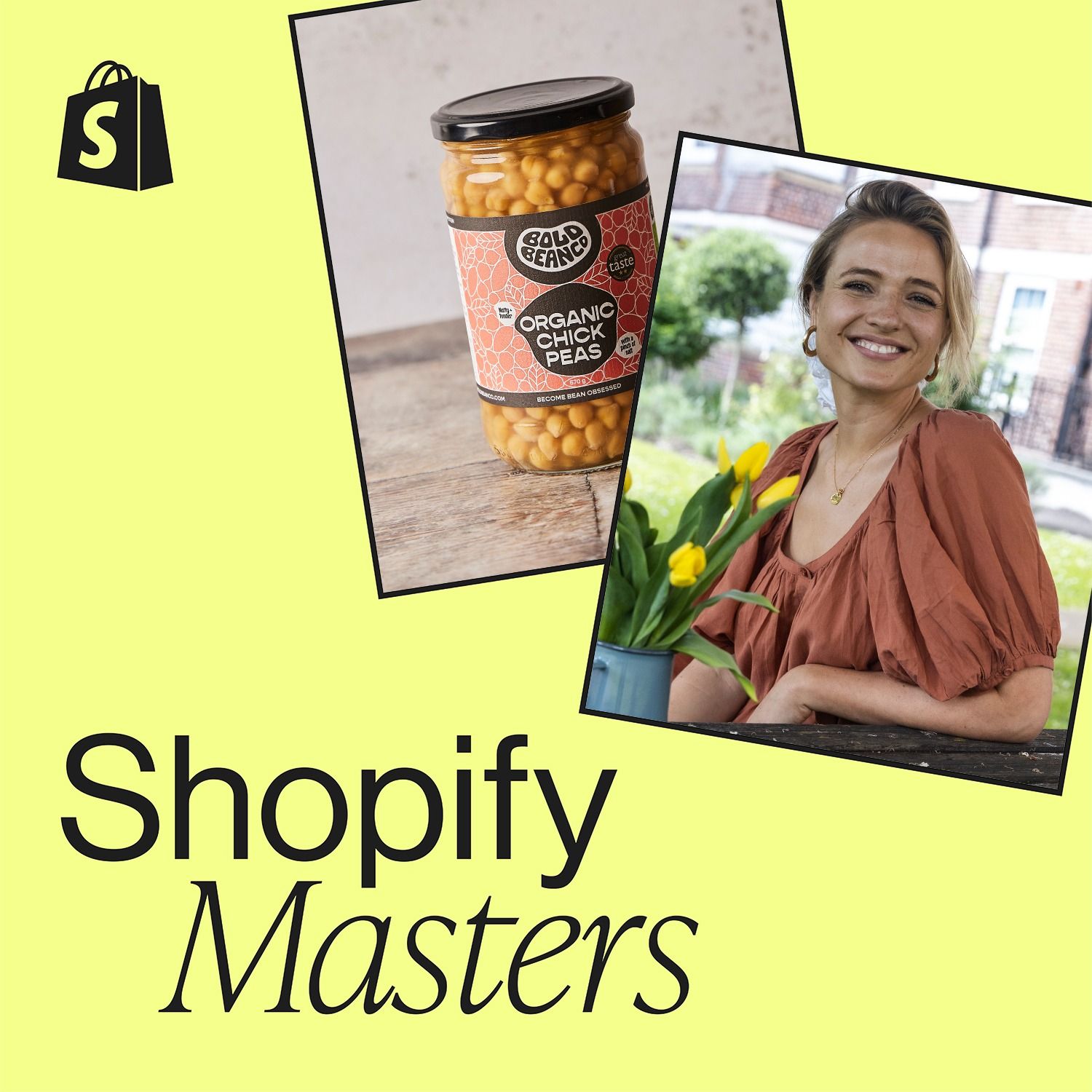
Influential chefs are reluctant to promote finished CPG products (like sauces) that compete with their expertise. However, they will champion a premium ingredient brand like Bold Bean Co. because it enhances their own recipes without compromising their culinary authority, making them natural advocates.
The "candy salad," a consumer-driven trend on TikTok to combat candy inflation, was quickly adopted and productized by Ferrara (owner of Nutella) with a dedicated kit. This shows how major CPG brands now monitor social platforms to rapidly identify and capitalize on organic consumer behavior.

Social proof is more powerful when consumers believe they've discovered a trend themselves. Aperol’s distinctive color and glassware make it highly visible in a bar, creating the illusion of popularity. Similarly, J2O's slightly-too-large bottle forced pubs to serve it alongside the glass, turning a private choice into a public statement and fueling its growth.

Instead of general marketing, spirits brand Suyo Pisco was advised to deploy a team of "ambassadors" to bars. Their job is to loudly and clearly order a "Suyo Tonic," creating organic curiosity from other patrons and normalizing the brand-specific call-out, effectively creating demand from the ground up.

New food trends, like specialty tomato varieties, are driven top-down from restaurants to consumers. Chefs adopt unique, high-flavor ingredients first. This exposure on menus creates consumer curiosity and demand, which eventually pulls these novel products into mainstream retail channels.

Oatly's rapid growth was driven by its "barista strategy." It hired top baristas and turned them into salespeople who authentically evangelized the product to their peers at trendy cafes, effectively influencing the industry's tastemakers from the ground up.
Campari maintains brand consistency through its global Campari Academy, an education arm that mentors bartenders. This transforms trade partners into brand stewards who act as gatekeepers, ensuring the consumer experience aligns with the brand strategy and driving long-term equity.

In a marketing world obsessed with novelty, Campari's growth strategy for Aperol is rooted in extreme discipline. They consistently push the same simple 3-2-1 recipe and "orange wave" aesthetic, proving that relentless focus on core elements builds a stronger brand than constant reinvention.
To transition from a product to a lifestyle brand, Hexclad pursued a grand-scale influencer strategy. They targeted the world's best chefs, sending products and even "sneaking into" exclusive Michelin star events to build relationships. This top-down approach established premium credibility.

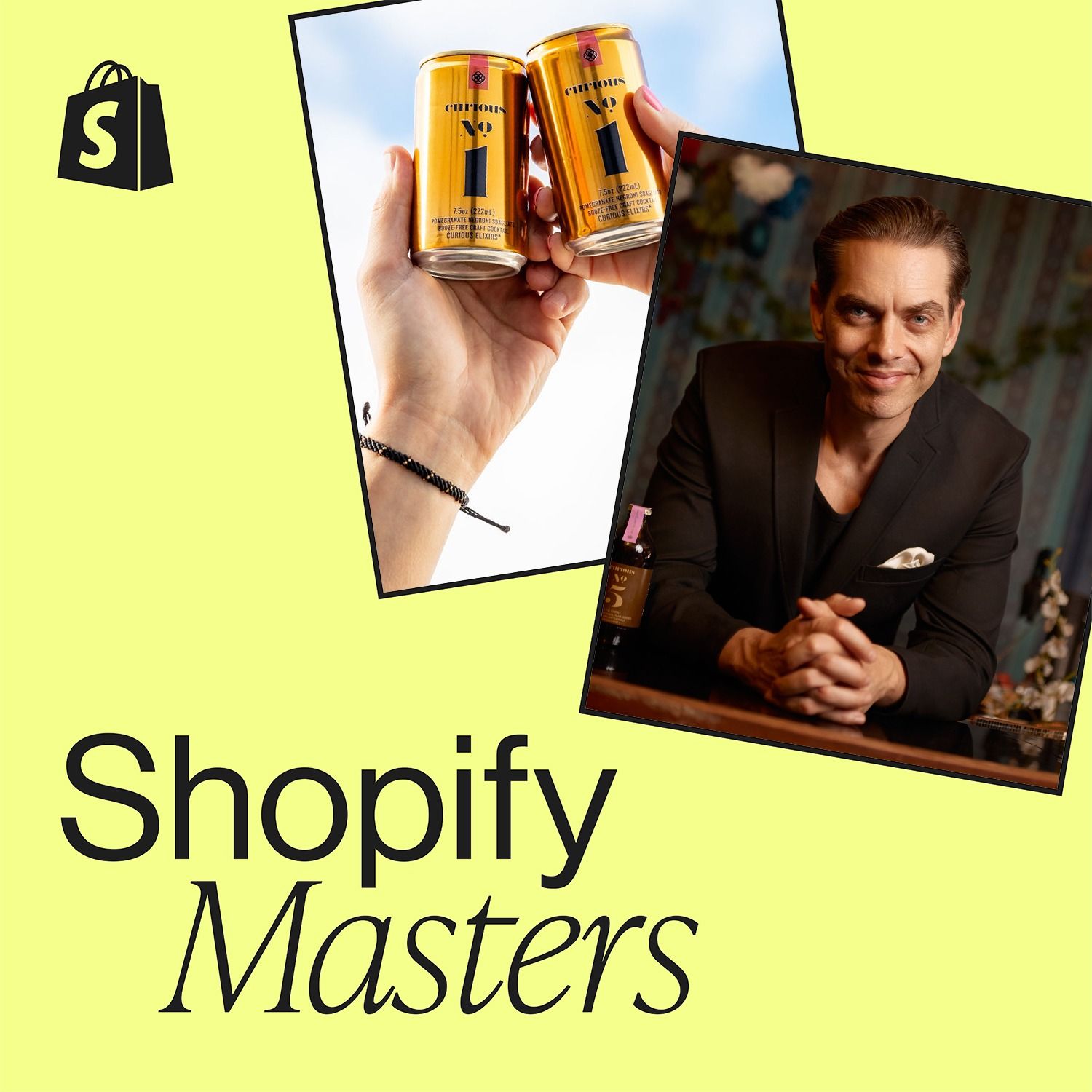
To create its complex non-alcoholic cocktails, Curious Elixirs had to first partner with food scientists to invent foundational ingredients, like non-alcoholic gentian extract, that didn't exist. True category creation required building the supply chain, not just the end product.