Get your free personalized podcast brief
We scan new podcasts and send you the top 5 insights daily.
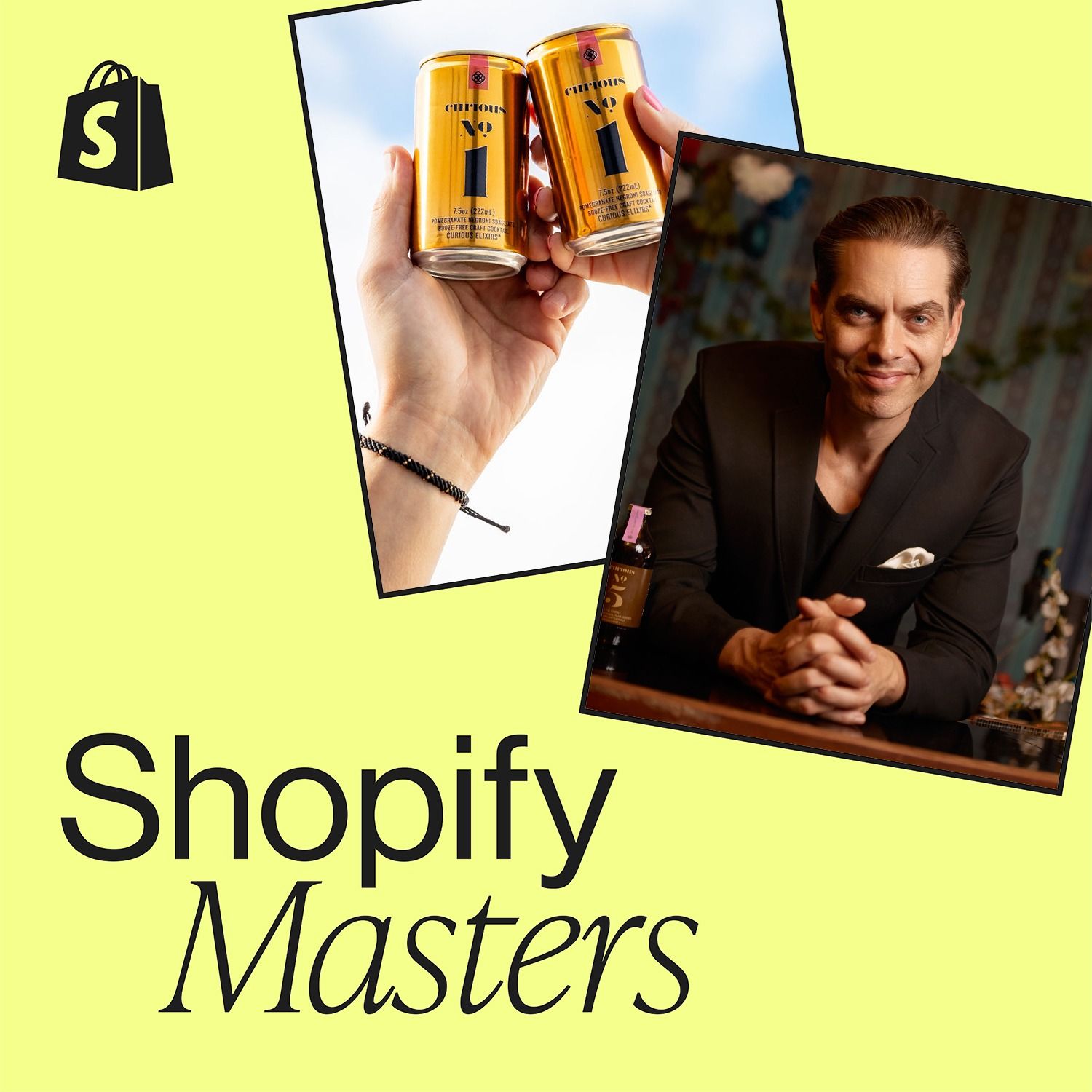
To create its complex non-alcoholic cocktails, Curious Elixirs had to first partner with food scientists to invent foundational ingredients, like non-alcoholic gentian extract, that didn't exist. True category creation required building the supply chain, not just the end product.
Related Insights
Instead of starting in a kitchen, CPG entrepreneur Emma Hernan bought a manufacturing facility first. This generated revenue by co-packing for other brands, secured her own supply chain, and created multiple income streams from a single asset before her product even launched.

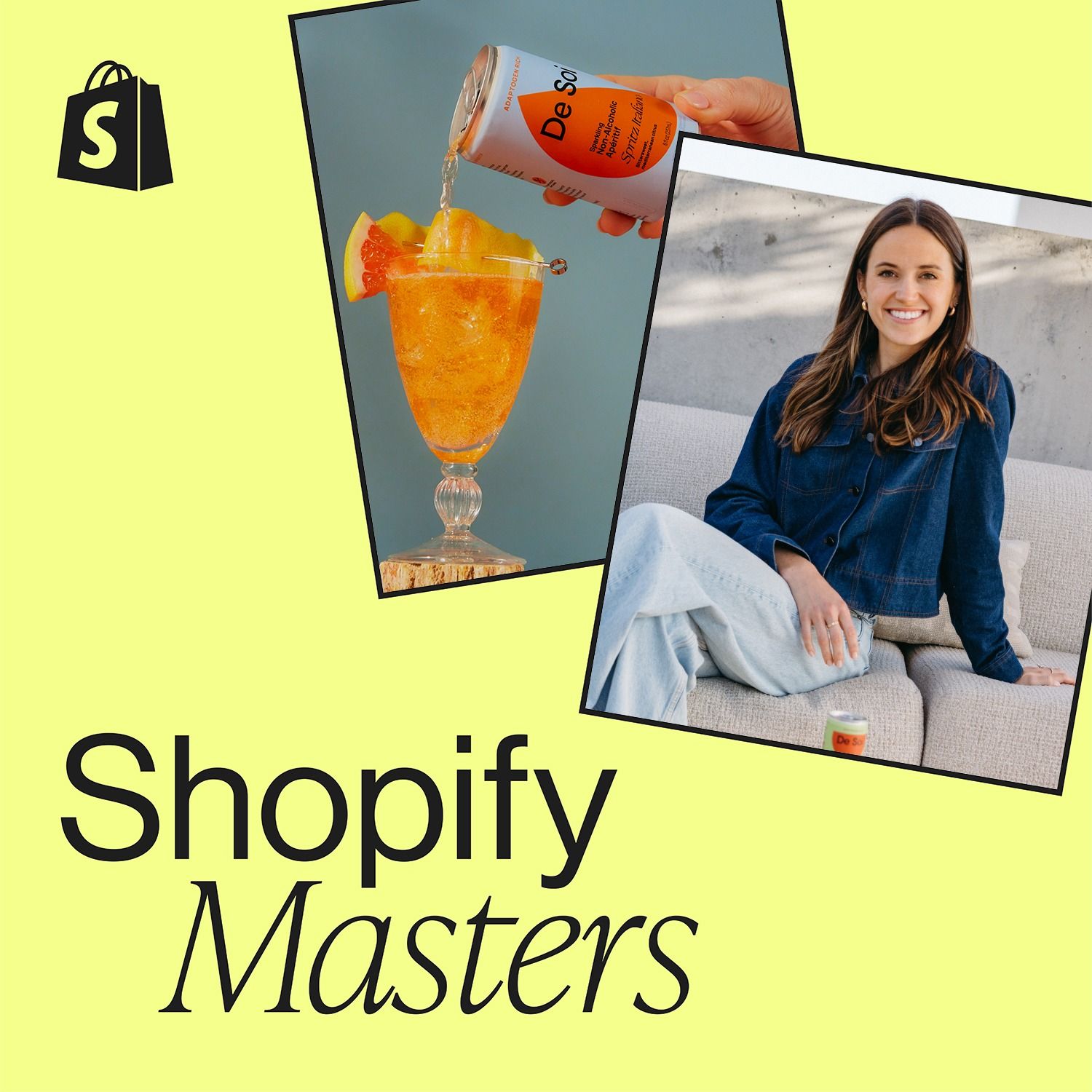
When De Soi launched, retailers and investors dismissed the non-alcoholic category. CEO Scout Brisson adopted a "not if, it's when" mindset, maintaining belief despite widespread skepticism. This conviction was essential for persevering until the market and major players like Target inevitably came around.
Persisting with a difficult, authentic, and more expensive production process, like using fresh ingredients instead of flavorings, is not a liability. It is the very thing that builds a long-term competitive advantage and a defensible brand story that copycats cannot easily replicate.

Athletic Brewing's success comes from rejecting the standard industrial process for non-alcoholic beer. They took a capital-intensive path, building their own breweries to develop a proprietary method that creates a product on par with top craft beers, fundamentally changing category perceptions.

The key business insight came not from the target sober-curious niche, but when a general party audience drained the non-alcoholic punch bowl faster than the boozy one. This proved a much larger addressable market existed among casual and social drinkers.
When creating a new food category, you invest heavily in educating consumers. Tariq Farid warns that if you don't control sourcing and maintain healthy margins, a competitor can easily replicate your product, import it cheaply, and capitalize on the demand you built.
Many marketers mistakenly start with the goal of creating a new category. However, a new category only emerges as a downstream consequence of a strong, existing demand that is poorly served by all current products. The demand must exist before a new category can be successfully established.

The founder of BuzzBalls built a massive CPG brand by rejecting the typical asset-light model. By vertically integrating and producing her own patented plastic containers and spirits, she maintained quality control and supply chain reliability. This demonstrates a powerful, though less common, path to success for bootstrapped CPG founders.
A key competitive advantage for cocktail brand Buzz Balls was owning its supply chain. The founder brought the production of both the patented spherical plastic containers and the spirits in-house. This strategic move ensured quality and reliability, a challenge where most D2C founders fail by remaining dependent on co-packers.

The founder deliberately avoided VC funding to build a strong foundation for his long-term vision of transforming social drinking. This approach puts the mission before money, accepting slower, more capital-constrained growth as a necessary trade-off to maintain mission purity.