Get your free personalized podcast brief
We scan new podcasts and send you the top 5 insights daily.
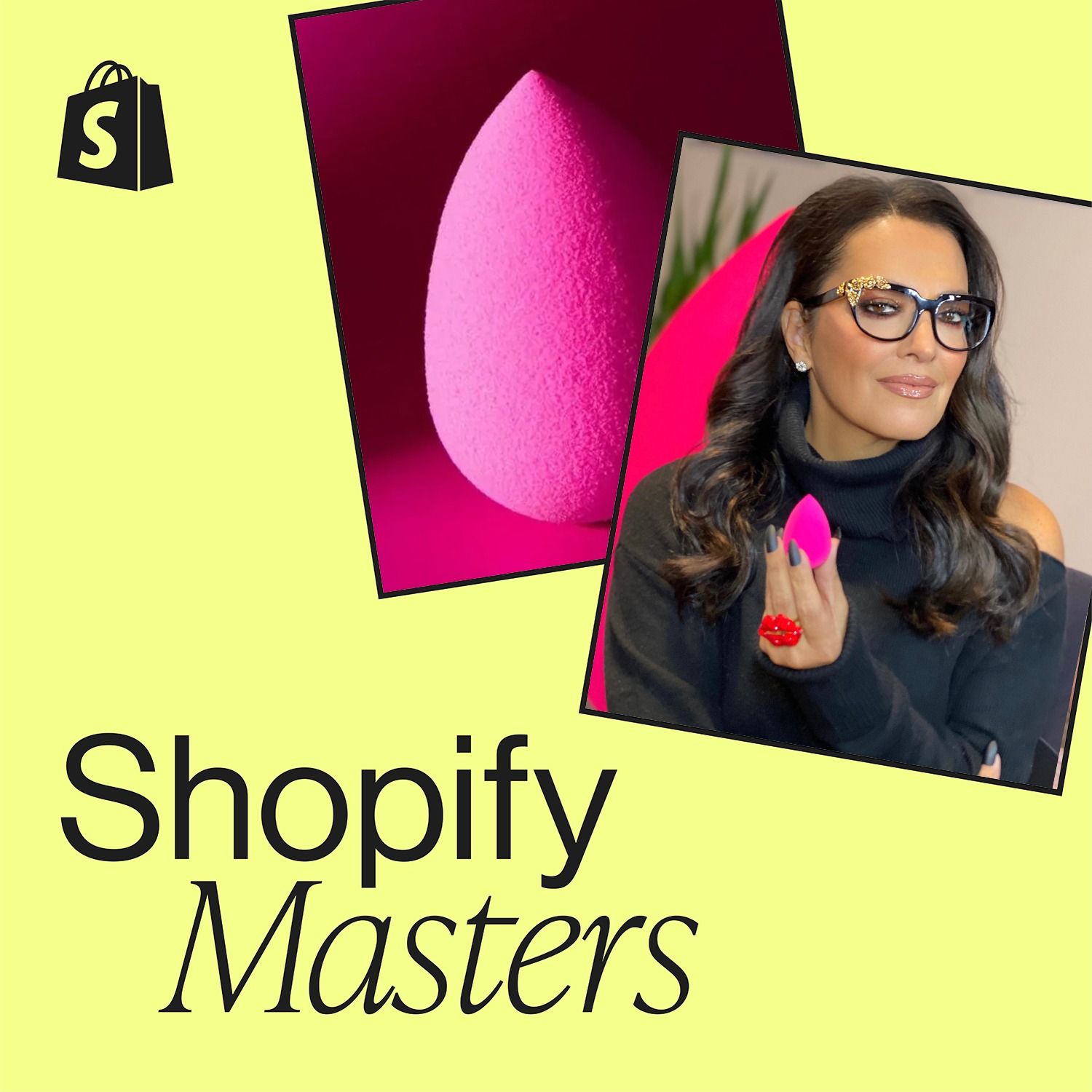
To find a partner capable of creating her unique sponge shape, Rianne Silva went to stores and looked at the back of existing product packages. She called the 1-800 numbers for various manufacturers until she found one in the US willing to listen.
Related Insights
Unlike makeup brands with hundreds of SKUs, Beauty Blender launched with just one product. This simplicity made inventory management, financial commitments, and scaling into thousands of retail doors significantly easier and less capital-intensive for the self-funded company.
For a new brand with low volume, securing a co-manufacturer isn't a simple transaction; it's a sales pitch. You must sell them on your growth story and mission. They need to believe in your future potential to justify taking on a small client.
The initial process for sourcing a manufacturer for a high-risk product wasn't complex. It involved basic but persistent research on platforms like Alibaba. The key takeaway for entrepreneurs is that the solution often lies in gritty problem-solving rather than industry connections or specialized expertise.
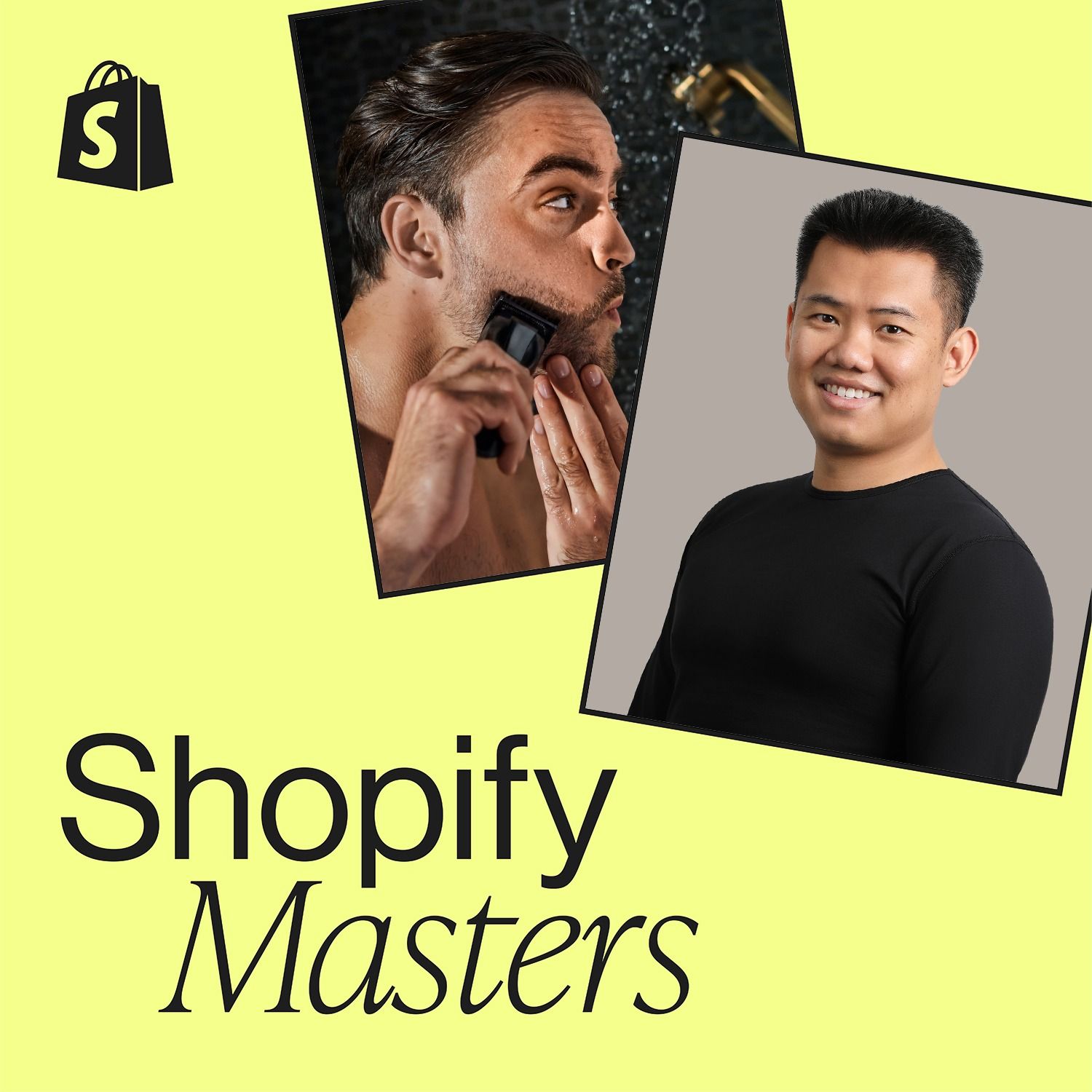
When denied a patent, founder Rianne Silva was advised that strong brand recognition could be an equally powerful defense. She focused on building brand equity among professionals, which became her primary protection against copycats when they eventually emerged.
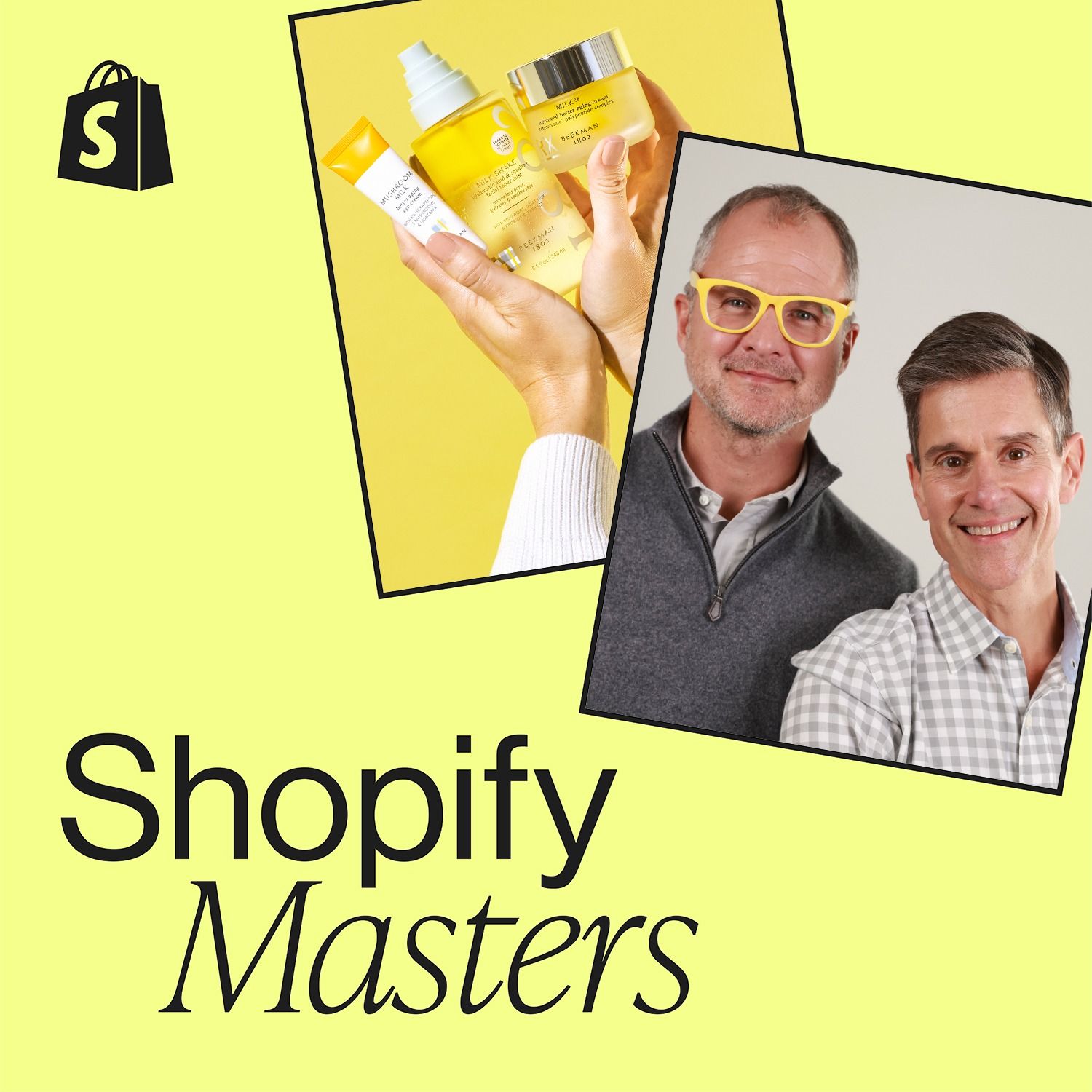
Rather than viewing retail partners as mere buyers, Beekman 1802 treated them as strategic consultants. They actively asked for guidance on scaling production, finding labs, and co-manufacturers, leveraging the retailer's expertise and vested interest in their success.
After being initially dismissed by a manager at a manufacturing company, that same manager was promptly let go. Now free from her corporate constraints, she became an ally and connected the founder with the exclusive manufacturing partner Beauty Blender still uses today.
When direct outreach to potential sponsors fails, use unconventional channels. To land a key partnership, Millie couldn't find the right contact, so she messaged the company's customer support. They eventually routed her to the correct person, proving that the "third door" is often effective.

The search for an initial manufacturer required contacting hundreds of potential suppliers. This quantifies the immense and often underestimated volume of outreach necessary for a new brand to find a partner willing to accommodate small, early-stage production runs.
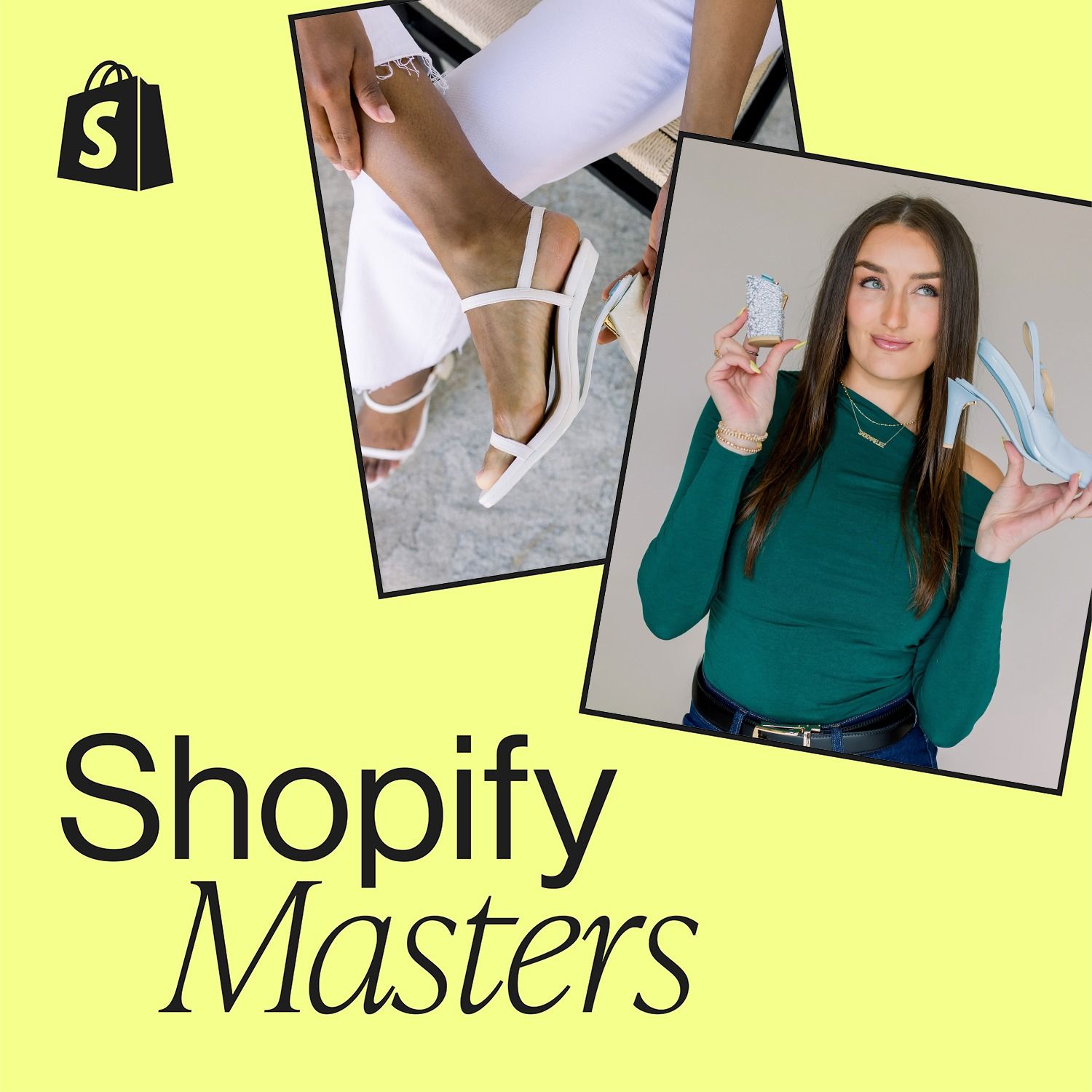
Unable to find footwear experts online, founder Haley Pavoni drove to a premier biomechanical testing firm. She walked in, pitched her idea to the CEO, and immediately got a shortlist of the exact development partners she needed, bypassing months of searching.
Unable to find a co-manufacturer through traditional means, co-founder Breezy Griffith scoured esoteric chocolate blogs, found a chocolatier's comment, reverse-engineered their screen name to find a phone number, and cold-called them at home.
