Get your free personalized podcast brief
We scan new podcasts and send you the top 5 insights daily.
For a new brand with low volume, securing a co-manufacturer isn't a simple transaction; it's a sales pitch. You must sell them on your growth story and mission. They need to believe in your future potential to justify taking on a small client.
Related Insights
For new physical product companies, the best manufacturers are often too busy and risk-averse to work with newcomers. Conversely, factories that are overly eager for an unknown startup's business may have underlying quality or reliability issues.

While VC pitches require an expansive vision, customer pitches are more effective when they're small and specific. After understanding their demand, describe your product narrowly as the exact tool that solves their immediate project. This precision builds confidence and creates pull.

Applying the "weird if it didn't work" framework to fundraising means shifting the narrative. Your goal is to construct a story where the market opportunity is so massive and your team's approach is so compelling that an investor's decision *not* to participate would feel like an obvious miss.
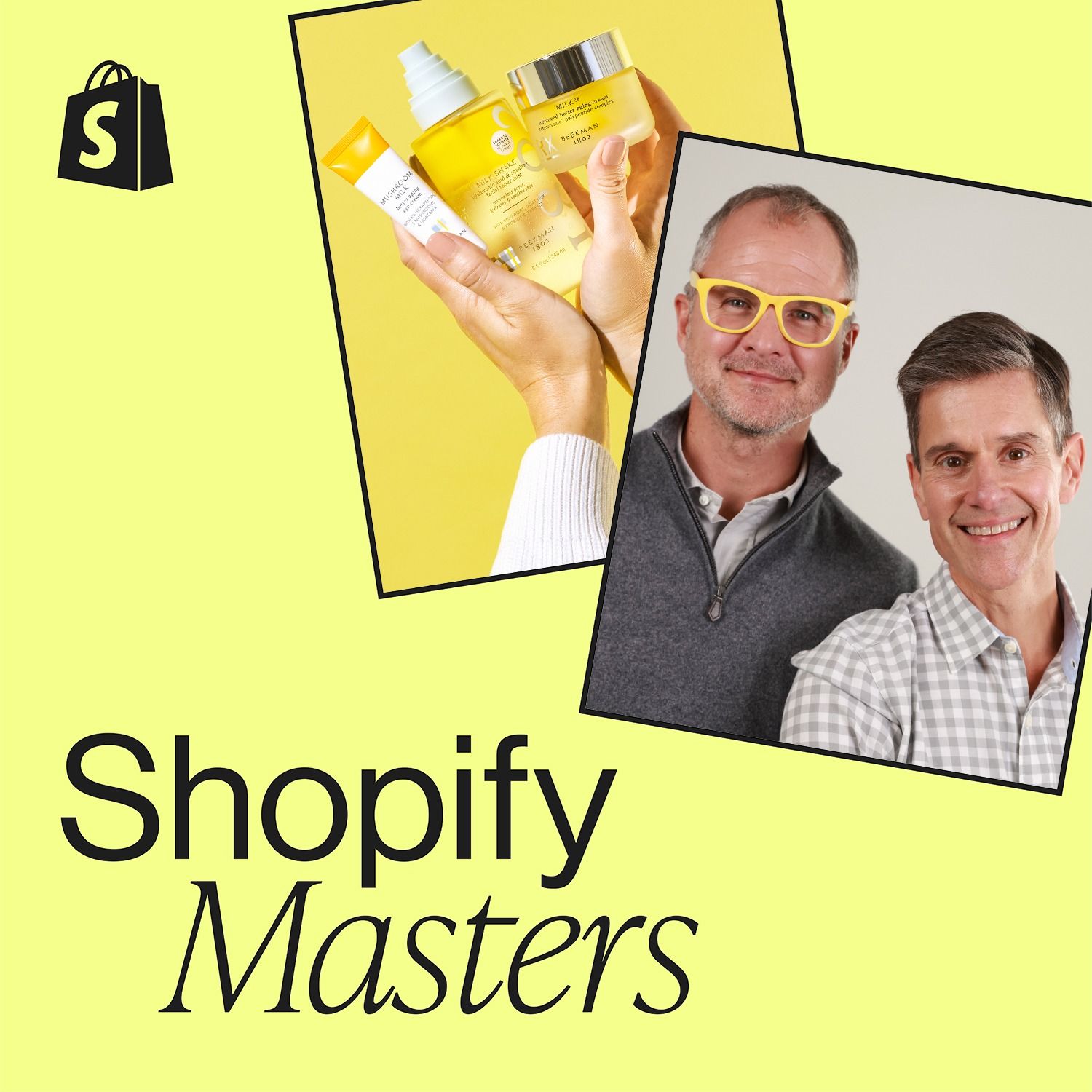
Rather than viewing retail partners as mere buyers, Beekman 1802 treated them as strategic consultants. They actively asked for guidance on scaling production, finding labs, and co-manufacturers, leveraging the retailer's expertise and vested interest in their success.
Despite having investor interest, HOKA's founders realized cash alone wouldn't solve their biggest hurdles: securing reliable factory production and scaling product demos. They correctly identified that they needed a strategic partner with operational muscle, not just a financial one.

Securing executive buy-in is its own sales stage, distinct from champion agreement. Don't just repeat the demo for the boss. Use executive-level tactics like reference calls with their peers, exec-to-exec meetings to build relationships, or roadmap presentations to sell the long-term vision and partnership.
Early outreach often fails by pitching an unproven value proposition. Instead, founders should use "Founder Magic"—leveraging their unique background, story, or mission to make themselves so interesting that prospects agree to a meeting out of sheer curiosity. The outreach should be product-agnostic and focus on being compelling as a person.
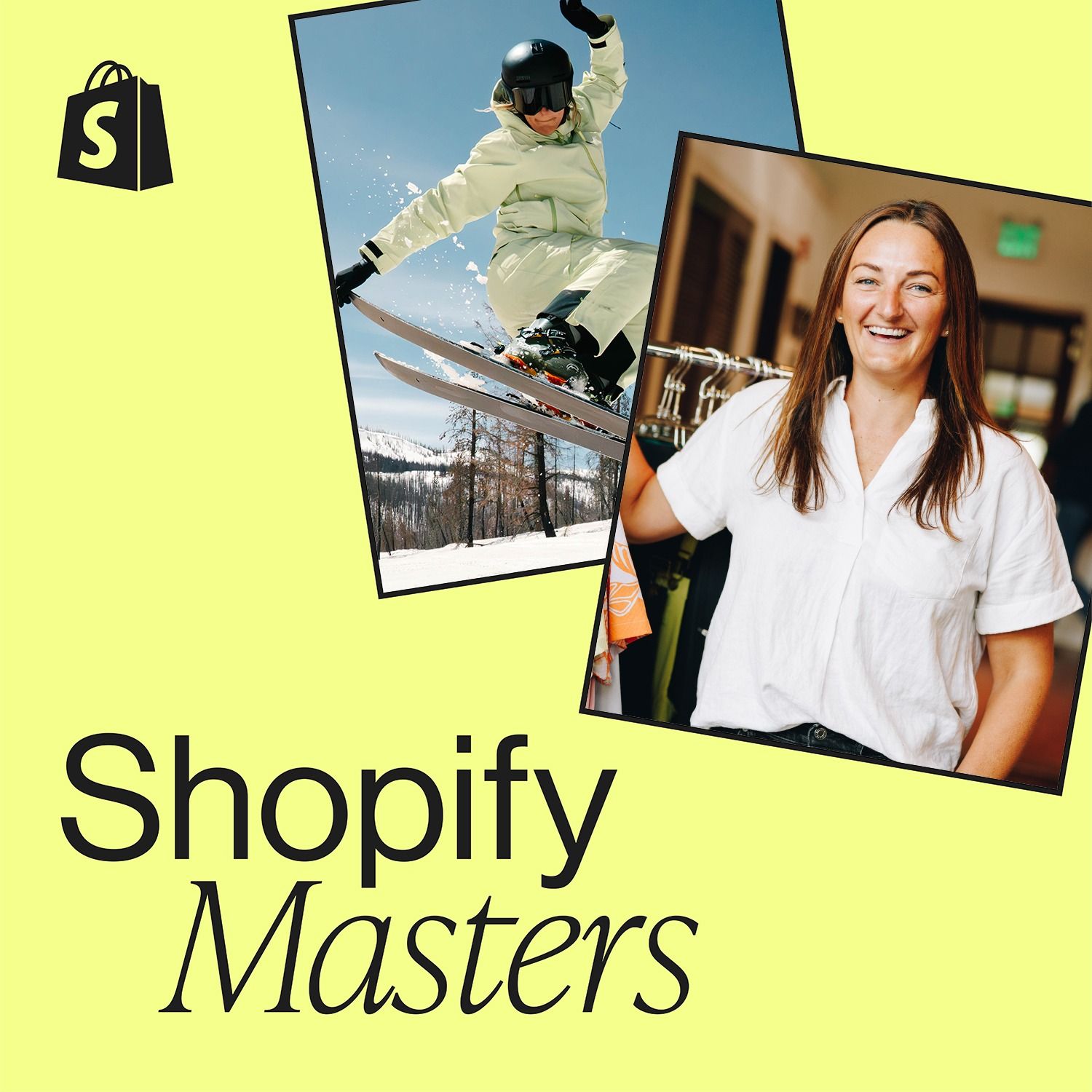
Wild Rye's founder attributes success with overseas manufacturing to treating it as a long-term partnership, not a transaction. This was validated when her factory partners flew from China to her tiny Idaho office to express their belief in the brand and commitment to helping it grow, solidifying them as a genuine extension of the team.
The search for an initial manufacturer required contacting hundreds of potential suppliers. This quantifies the immense and often underestimated volume of outreach necessary for a new brand to find a partner willing to accommodate small, early-stage production runs.

Founders in CPG should personally master the hands-on production of their product before outsourcing. This deep knowledge of the process is invaluable, equipping you to ask specific technical questions and properly evaluate a co-manufacturer's capabilities, ensuring quality is maintained at scale.