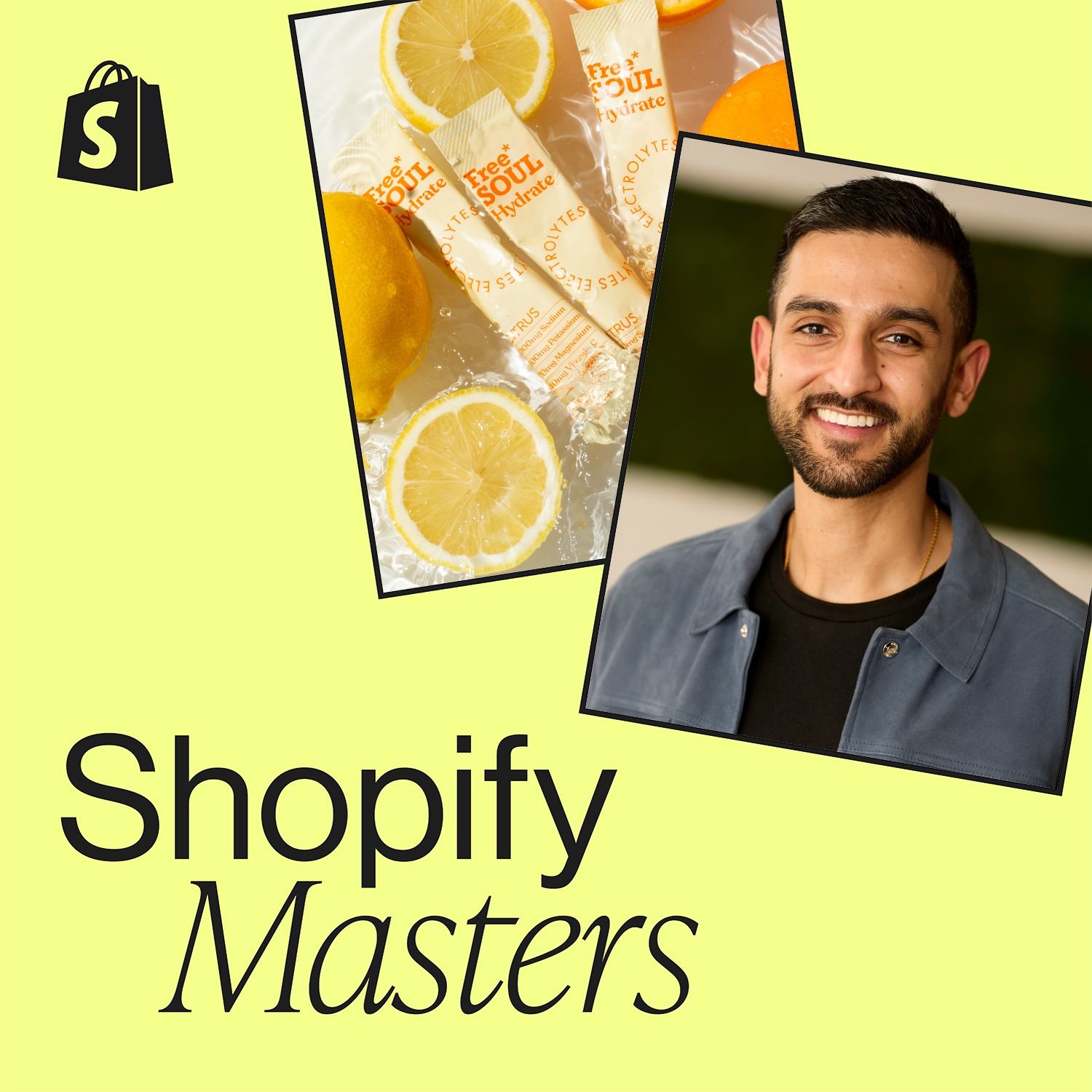
After finding their ideal manufacturing partner, the Free Soul founders' open admiration for the products and team prompted the supplier to immediately raise prices, making the order unaffordable. This serves as a cautionary tale about maintaining leverage in early negotiations.
The founders of Free Soul endured multiple rejections, including literally being laughed out of rooms. They frame this brutal process as a necessary filter that weeded out misaligned VCs and ultimately led them to investors who were personally connected to their mission.
The founder advises against always pursuing the highest valuation, noting it can lead to immense pressure and difficulties in subsequent rounds if the market normalizes. Prioritizing investor chemistry and a fair, responsible valuation is a more sustainable long-term strategy.
Without prior experience, the founders learned to build their Shopify store and run complex paid media campaigns entirely by watching YouTube tutorials. This self-education approach enabled them to operate leanly and develop deep, in-house knowledge of core business functions.
Faced with a sudden price hike from their first manufacturer, the founders started a manual labor side hustle—fixing washing machines and installing cupboards—to raise the cash needed for their initial product run, demonstrating extreme pre-launch resourcefulness.
The search for an initial manufacturer required contacting hundreds of potential suppliers. This quantifies the immense and often underestimated volume of outreach necessary for a new brand to find a partner willing to accommodate small, early-stage production runs.
Without VC funding, Free Soul couldn't afford to acquire customers at a loss. Their core financial rule was that customer acquisition costs must be lower than the gross margin on the very first purchase, a strict focus on unit economics that fueled their sustainable growth.