Get your free personalized podcast brief
We scan new podcasts and send you the top 5 insights daily.
The initial process for sourcing a manufacturer for a high-risk product wasn't complex. It involved basic but persistent research on platforms like Alibaba. The key takeaway for entrepreneurs is that the solution often lies in gritty problem-solving rather than industry connections or specialized expertise.
Related Insights
Hardware development is often stalled by supplier lead times. To combat this, proactively map out multiple, redundant manufacturing options for every component. By maintaining a constantly updated "lookup table" of suppliers, processes, and their current lead times, teams can parallelize workflows and minimize downtime.

For new physical product companies, the best manufacturers are often too busy and risk-averse to work with newcomers. Conversely, factories that are overly eager for an unknown startup's business may have underlying quality or reliability issues.

Mike Faherty's deep engagement with overseas factories while at Ralph Lauren built strong personal relationships. These factory owners later became his new brand's first investors and manufacturing partners, a crucial advantage for a startup.

For hardware startups constrained by working capital, building deep trust with a manufacturer can be a form of financing. Belkin's founder convinced his manufacturer to produce and hold inventory on their own books, allowing Belkin to pull stock as needed without having to fund it all upfront.
A business's core function is to become a system for repetition. This starts by finding one customer with strong demand, delivering a supply that fits perfectly, and documenting that success. The entire business then becomes a 'factory' optimized to find and replicate that initial case study.

Instead of searching for a market to serve, founders should solve a problem they personally experience. This "bottom-up" approach guarantees product-market fit for at least one person—the founder—providing a solid foundation to build upon and avoiding the common failure of abstract, top-down market analysis.

The search for an initial manufacturer required contacting hundreds of potential suppliers. This quantifies the immense and often underestimated volume of outreach necessary for a new brand to find a partner willing to accommodate small, early-stage production runs.
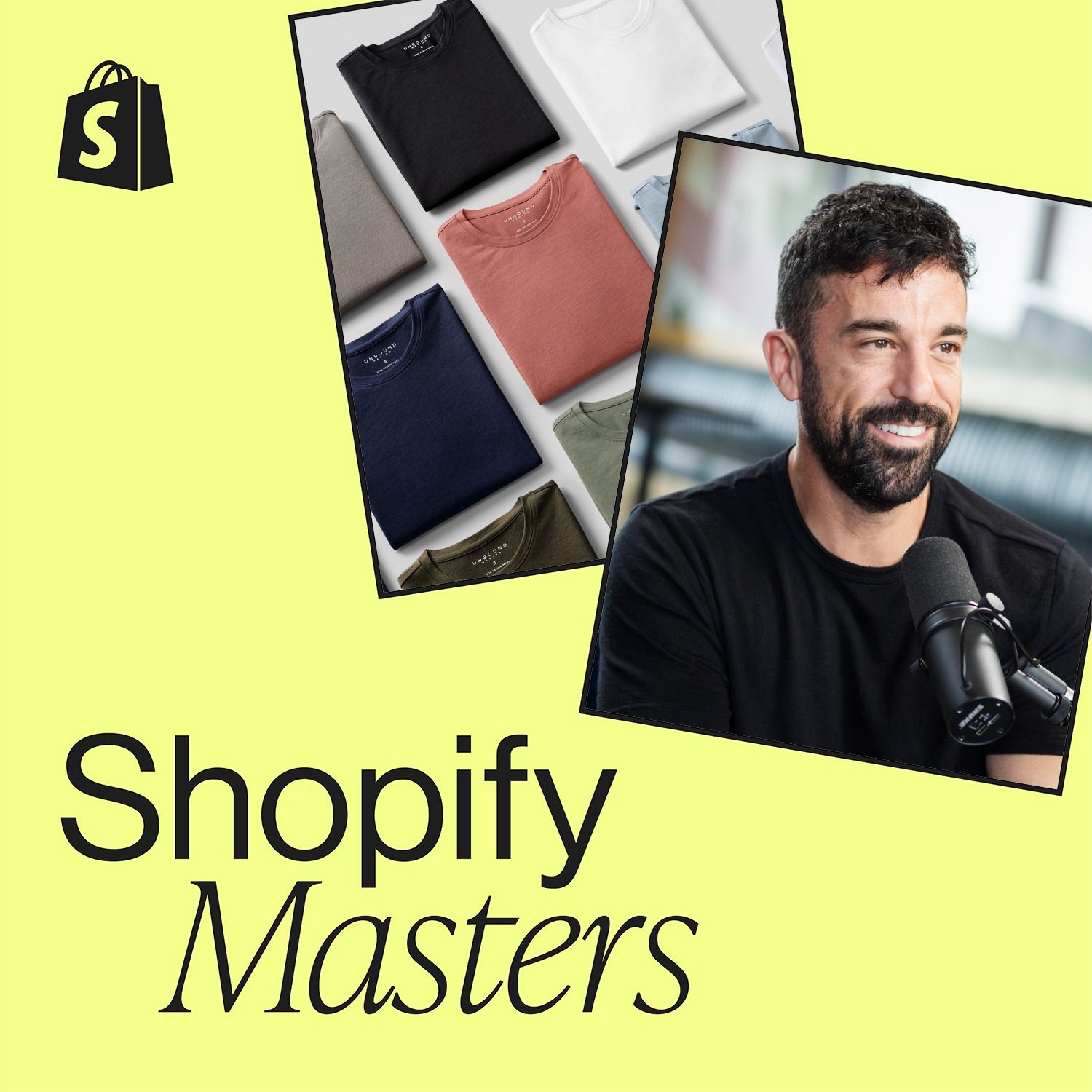
Paranoid about quality control with their first Alibaba supplier, Unbound Merino's founders flew to the factory for the initial production run. This seemingly inefficient act of being physically present built a strong personal relationship that became their primary safeguard for quality.
Unable to find a co-manufacturer through traditional means, co-founder Breezy Griffith scoured esoteric chocolate blogs, found a chocolatier's comment, reverse-engineered their screen name to find a phone number, and cold-called them at home.
Axio is an end-to-end platform that handles the entire e-commerce inception process. It moves from market trend analysis and product design to identifying verified suppliers and drafting outreach emails, creating a unified workflow for entrepreneurs.
