Get your free personalized podcast brief
We scan new podcasts and send you the top 5 insights daily.
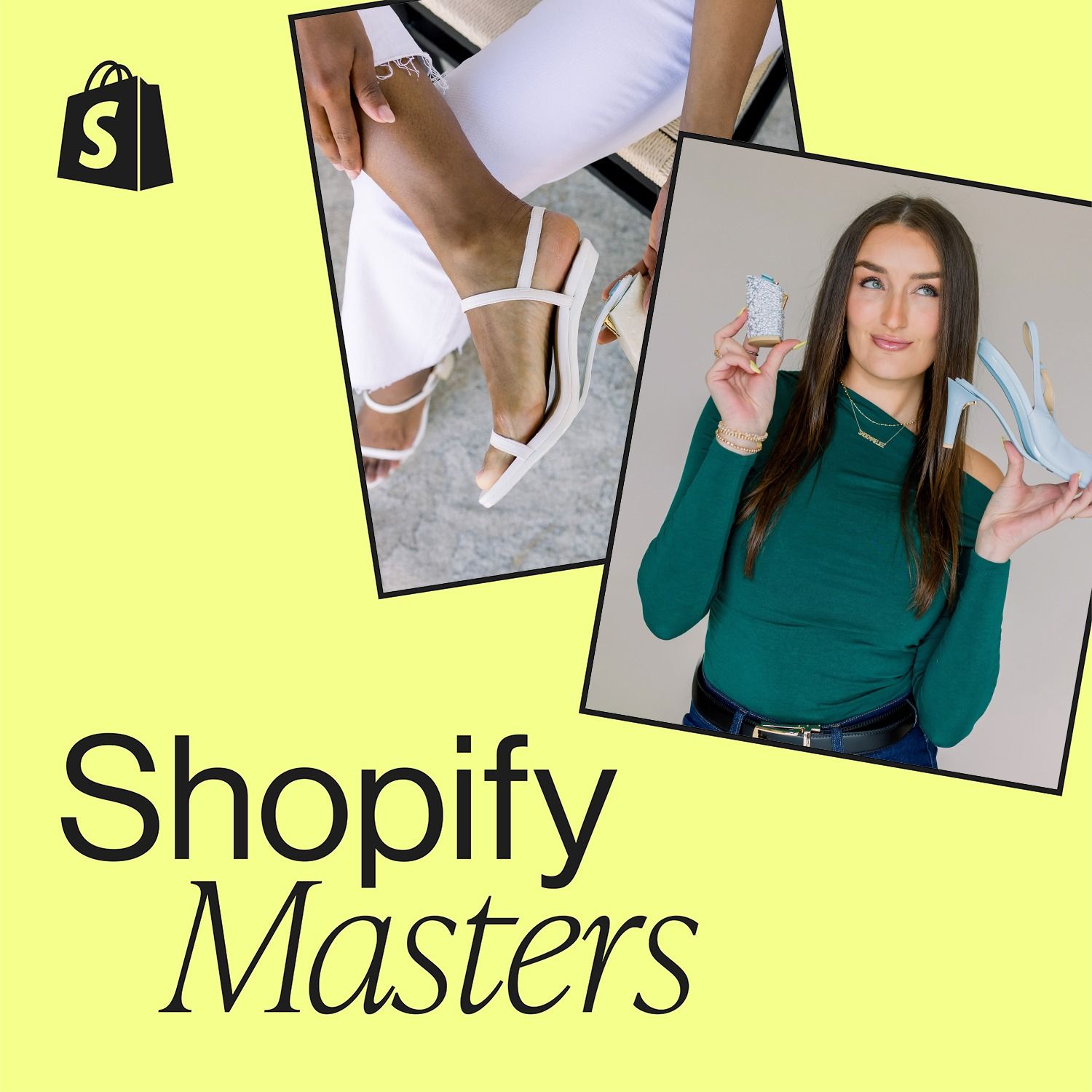
Unable to find footwear experts online, founder Haley Pavoni drove to a premier biomechanical testing firm. She walked in, pitched her idea to the CEO, and immediately got a shortlist of the exact development partners she needed, bypassing months of searching.
Related Insights
To get meetings with busy leaders before her product was ready, founder Janice Omadeke explicitly stated, "I am too early for you to purchase this." This non-threatening approach lowered their guard, reframing the conversation from a sales pitch to a collaborative session focused on learning their problems.

Founder Haley Pavoni realized previous convertible heel attempts failed because they only addressed the removable heel. The key innovation was creating a flexible midsole with a removable support shank, allowing the shoe to properly function as both a stylish heel and a comfortable flat.
Instead of starting with a blank slate, Nike's team prototypes new ideas by physically cutting and modifying existing products. This "cobbling" method enables rapid, low-cost testing of core concepts before investing in new designs and expensive molds, allowing them to fail fast and forward.

To secure a critical partnership with Beyond Meat after another deal collapsed, Emma Hernan didn't use traditional channels. She systematically reached out to every account Beyond Meat followed on social media, correctly assuming this network contained employees or close connections, and successfully landed the deal.

Instead of searching for a market to serve, founders should solve a problem they personally experience. This "bottom-up" approach guarantees product-market fit for at least one person—the founder—providing a solid foundation to build upon and avoiding the common failure of abstract, top-down market analysis.

To truly understand a B2B customer's pain, interviews are not enough. The best founders immerse themselves completely by 'going native'—taking a temporary job at a target company to experience their problems firsthand. This uncovers authentic needs that surface-level research misses.
Despite the high cost of distribution, OpenGov's success relied on a high-touch, in-person sales strategy. The team would show up with donuts, meet everyone in town, and build deep relationships, even for small initial contracts.
