Get your free personalized podcast brief
We scan new podcasts and send you the top 5 insights daily.
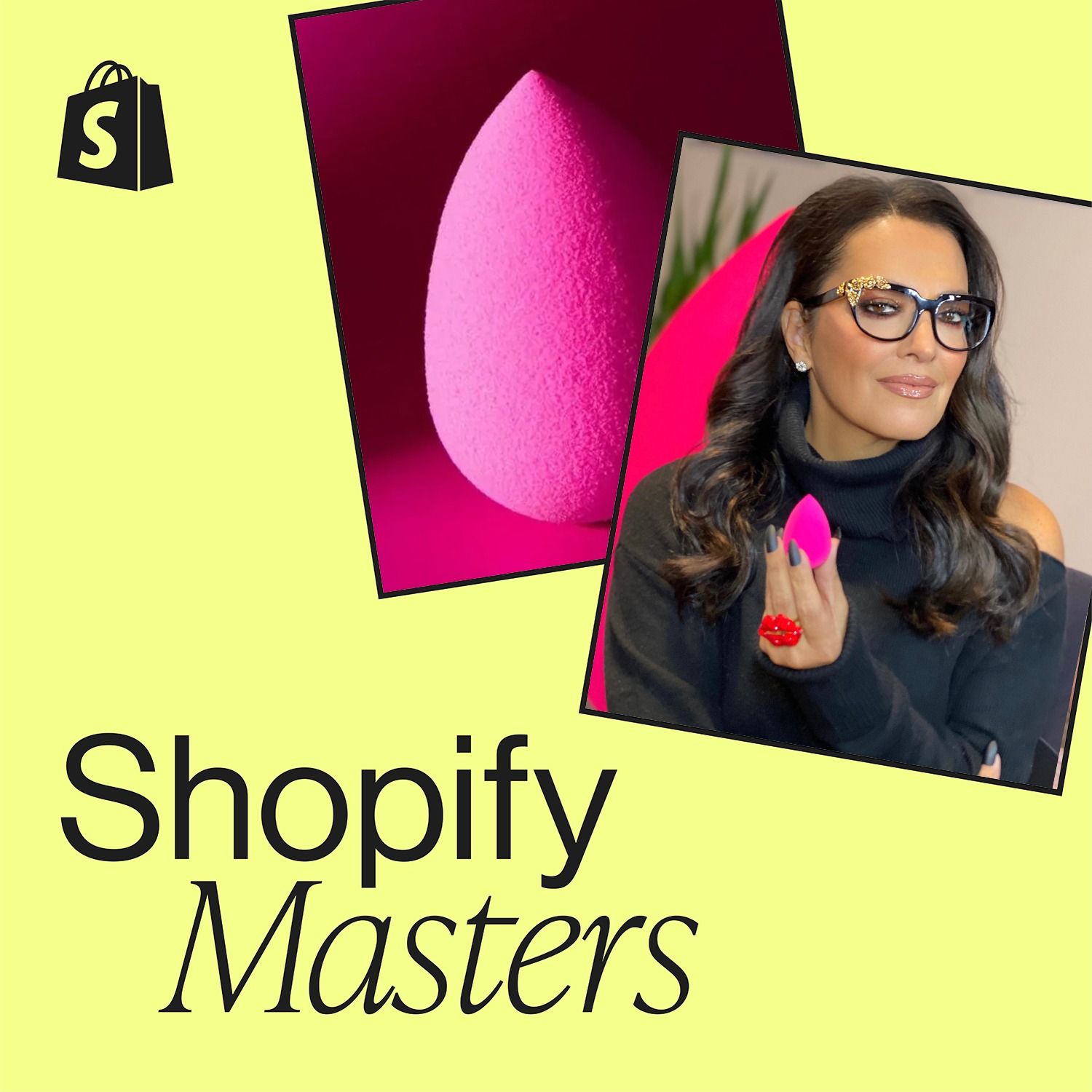
Unlike makeup brands with hundreds of SKUs, Beauty Blender launched with just one product. This simplicity made inventory management, financial commitments, and scaling into thousands of retail doors significantly easier and less capital-intensive for the self-funded company.
Related Insights
The company never proactively pitched major retailers. Instead, they focused on creating a powerful digital presence and a superior product. This strategy made the brand so desirable that major players like Sephora initiated the partnership, flipping the traditional wholesale sales dynamic.
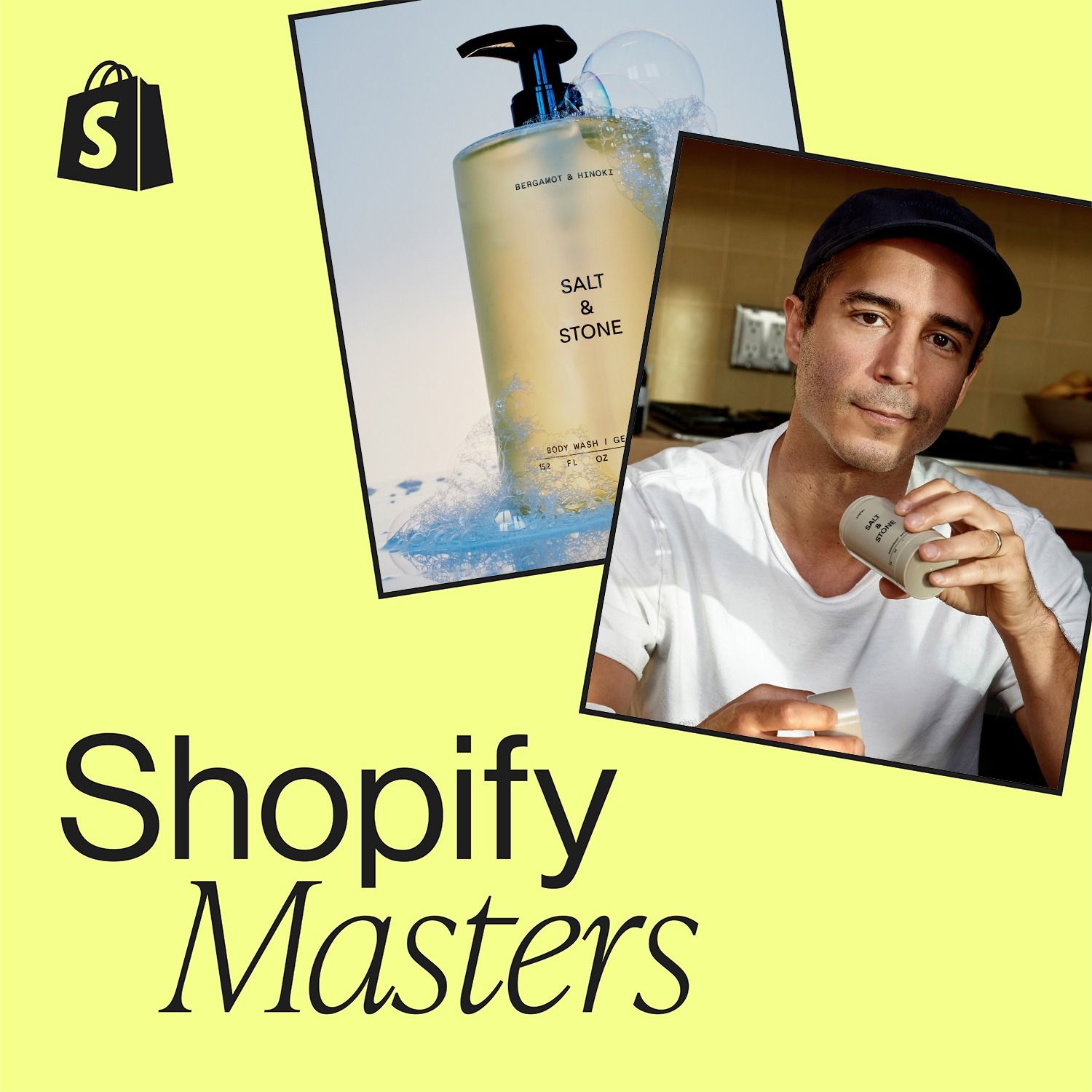
T3 successfully launched in Sephora without VC funding by first building a profitable business in the salon channel. They generated $4 million in sales, creating the cash flow necessary to meet Sephora's inventory demands and payment terms. This allowed them to scale into major retail by spending what they had already earned.
Chomps' first major retail partner, Trader Joe's, operates uniquely by handling all in-store marketing and merchandising. This simplicity allowed the two-person founding team to scale into retail without needing a massive operations team, de-risking a critical growth phase.

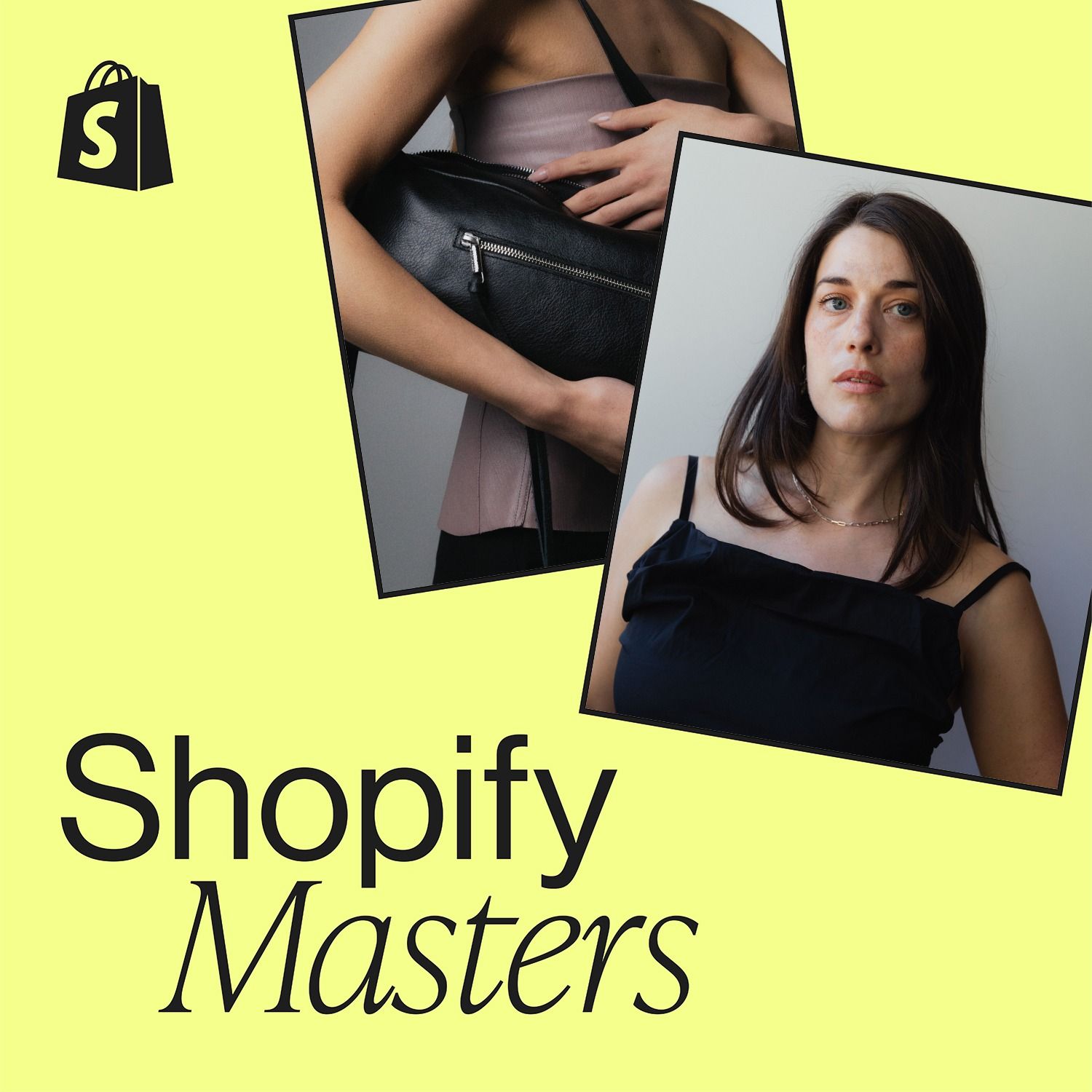
By eliminating seasonal colors to focus only on her bestseller—black—handbag brand Sonya Lee could place larger bulk leather orders. This allowed her to bypass wholesalers and source directly from a premium tannery, dramatically improving margins, ensuring material traceability, and making capital more efficient.
Before launching, assess a product's viability by the sheer number of potential distribution points. Manufacturing and logistics are solvable problems if the market access is vast. This reverses the typical product-first approach by prioritizing market penetration from day one.

The business-changing insight to create a product line came from an actress who needed a way for her makeup artist to maintain her eyebrows for a six-month film shoot. This specific, high-stakes problem forced the creation of a replicable kit, directly leading to the scalable product business.

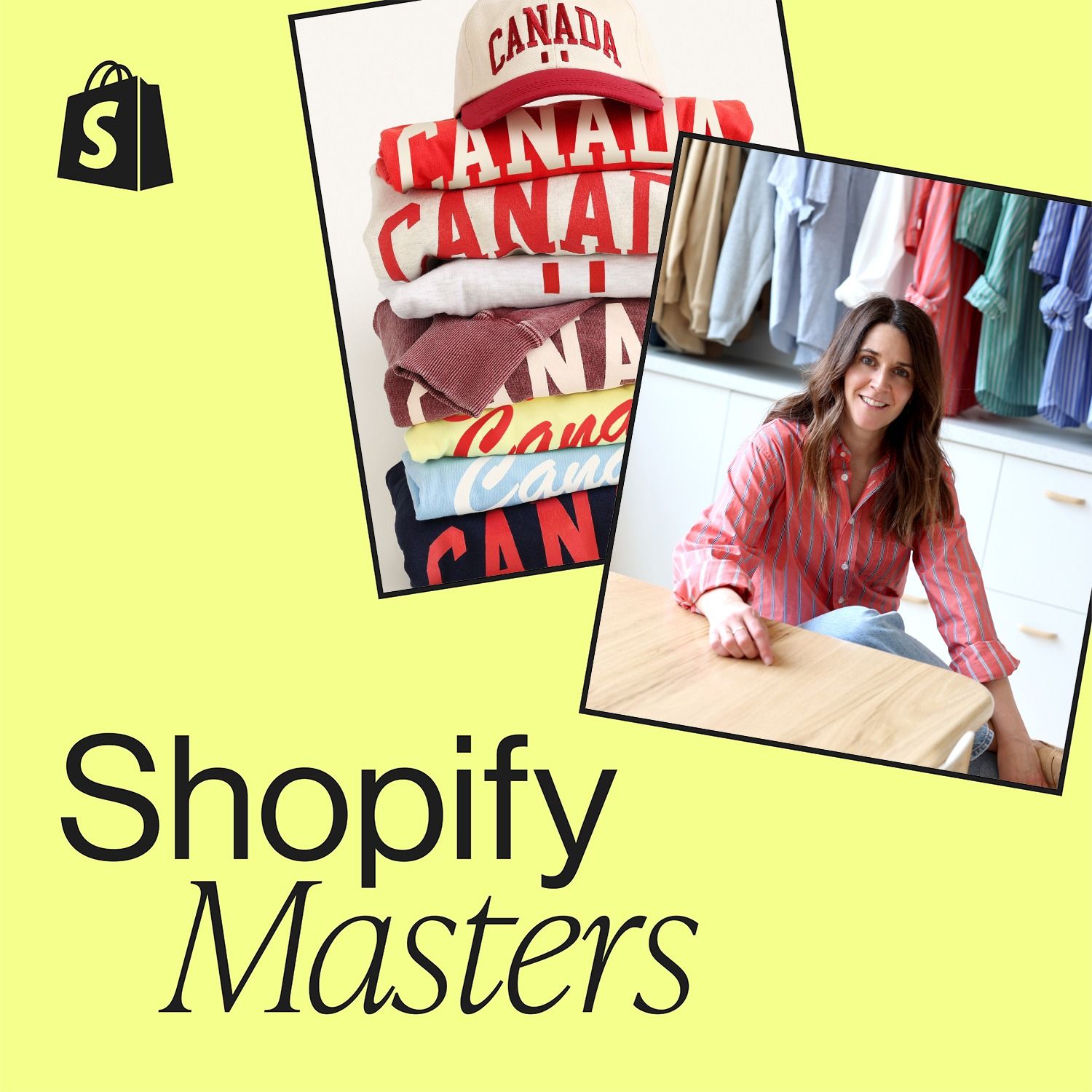
Province of Canada intentionally built an 'anti-fashion' brand by focusing on timeless basics rather than seasonal collections. This simplifies inventory, creates dependable products for customers, and allowed them to avoid the high-pressure, discount-driven wholesale cycle, leading to a more stable business.
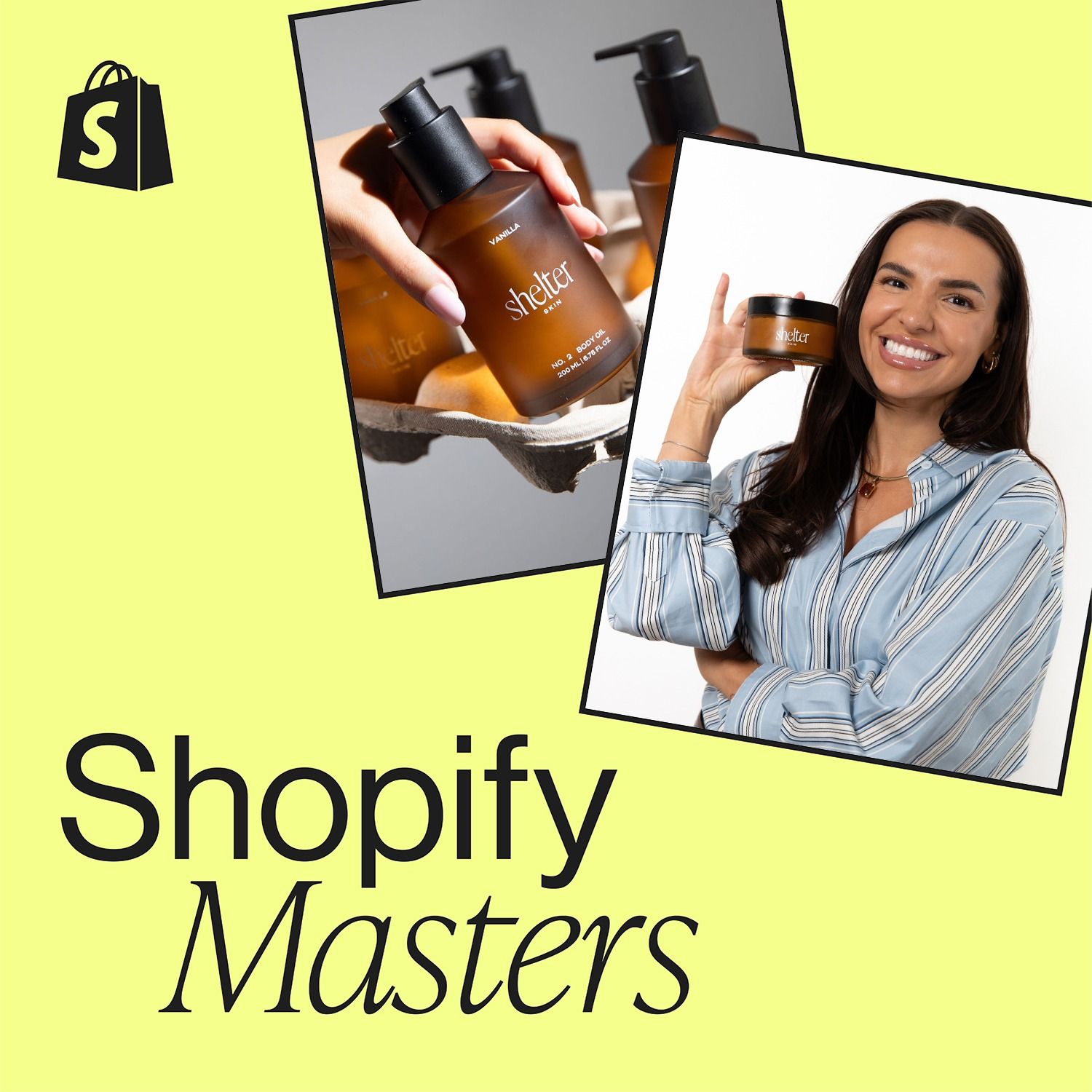
To avoid the operational chaos of viral success, Shelter Skin deliberately caps production to match what they can manufacture and ship themselves. This prevents them from overselling and allows for sustainable, bootstrapped growth, even if it means frustrating some customers with temporary stockouts.
Counterintuitively, focusing on a single, powerful SKU can be more effective for initial growth than launching a full product line. It simplifies your message, makes you attractive to distributors who value efficiency, and builds a strong customer base before you introduce new offerings.

Jane Wurwand of Dermalogica deliberately launched a multi-product line to establish a complete skincare regimen. This set them apart and communicated their educational philosophy. She maintained intense focus, however, by refusing to diversify into adjacent categories like makeup or hair, proving focus can apply to a category, not just one product.