Get your free personalized podcast brief
We scan new podcasts and send you the top 5 insights daily.
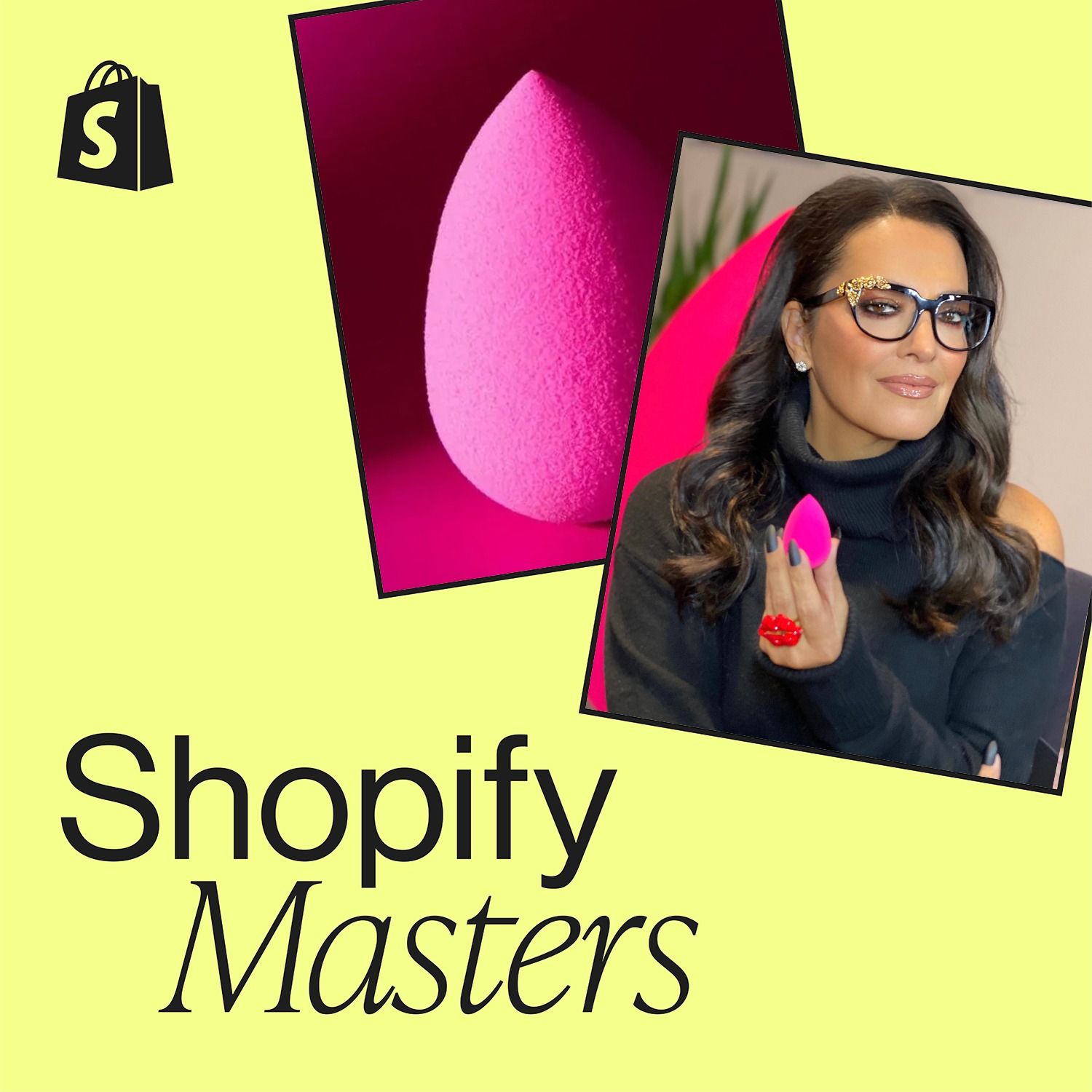
When denied a patent, founder Rianne Silva was advised that strong brand recognition could be an equally powerful defense. She focused on building brand equity among professionals, which became her primary protection against copycats when they eventually emerged.
Related Insights
Copycats are inevitable for successful CPG products. The best defense isn't intellectual property, but rapid execution by a team that has 'done it before.' Building a diverse distribution footprint and a strong brand quickly makes it harder for competitors to catch up.

Physical products are easily copied. While patents help, brand is the most durable competitive moat. A strong brand lowers acquisition costs, increases lifetime value, and commands premium pricing—advantages that copycats cannot replicate, even if they perfectly clone the product.

Rather than relying on patents, the founder built a defensible moat using brand strategy. This includes unique content, community engagement, and a trade-secret recipe, making it harder for competitors to replicate their success even if they copy the physical product.
Adderall's success proves a core chemical patent isn't essential for market dominance. A strong brand that becomes synonymous with a condition, combined with secondary patents on novel delivery mechanisms (like Adderall XR's capsule), can create a durable, highly profitable business moat.

When competing with incumbents, a social tool's brand is a critical differentiator that cannot be easily cloned. An invitation from Partiful signals a specific vibe and energy for an event, which is part of the product experience. A technically identical feature from a company like Apple fails to replicate this brand-driven expectation.

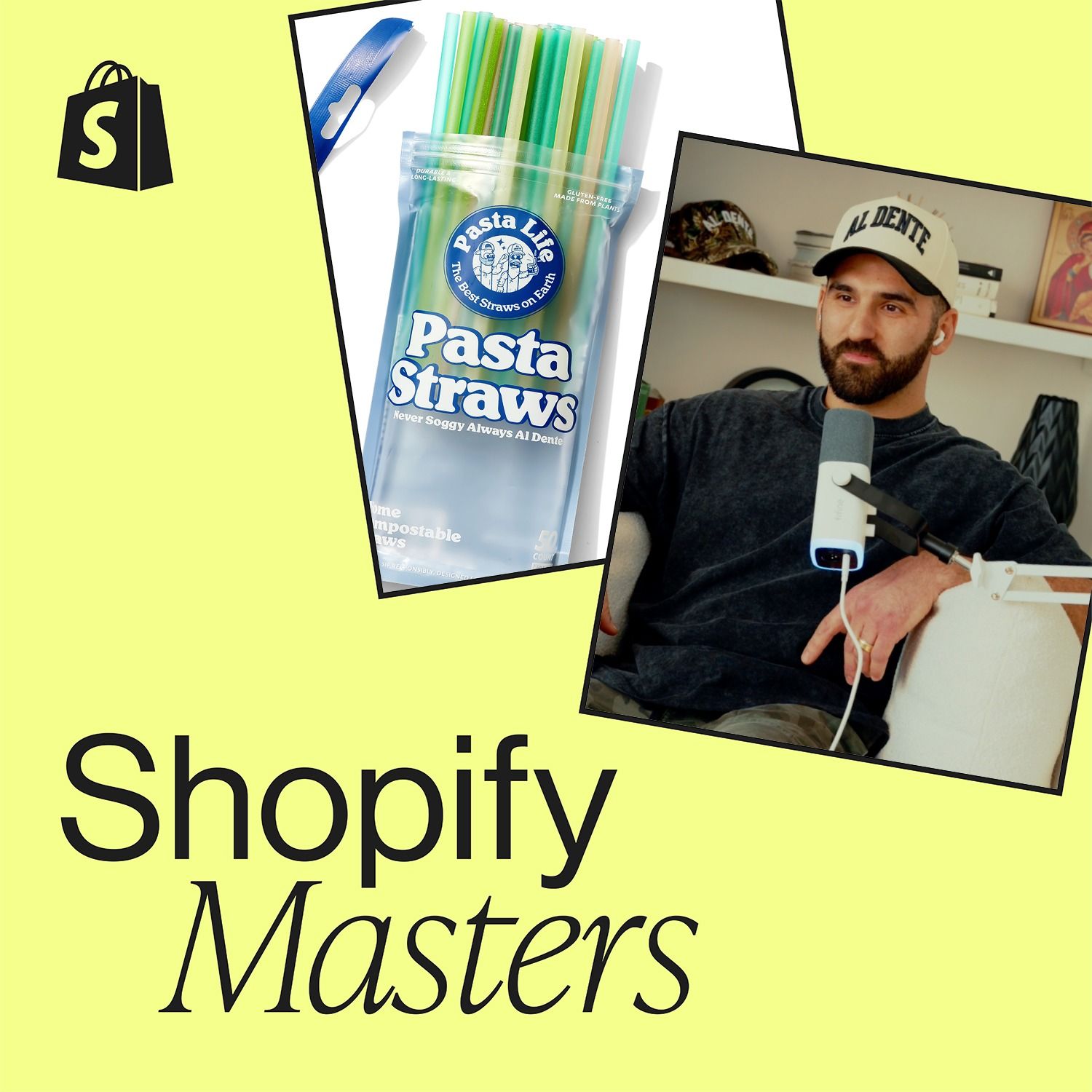
Persisting with a difficult, authentic, and more expensive production process, like using fresh ingredients instead of flavorings, is not a liability. It is the very thing that builds a long-term competitive advantage and a defensible brand story that copycats cannot easily replicate.

For communities or companies like Dave Gerhardt's Exit 5, the founder's personal brand can become the primary differentiator. This creates a 'category of one' in the customer's mind (e.g., 'The Dave Gerhardt Community'), making direct comparisons difficult and establishing a powerful moat that transcends feature-based competition.

A brand isn't just an identity; it becomes a competitive moat only when it directly influences purchase decisions. The true test is when a customer buys your product *because* of the brand, even if it's more expensive, has fewer features, or is otherwise inferior on paper.

Initially threatened by dupes, Rianne Silva reframed them as a necessary market force. The existence of cheaper alternatives allowed Beauty Blender to constantly reinforce its own story of originality, quality, and superior performance, strengthening its premium brand positioning.
In a crowded market, brand is defined by the product experience, not marketing campaigns. Every interaction must evoke the intended brand feeling (e.g., "lovable"). This transforms brand into a core product responsibility and creates a powerful, defensible moat that activates word-of-mouth and differentiates you from competitors.
