Get your free personalized podcast brief
We scan new podcasts and send you the top 5 insights daily.
Resilience after trauma is less about age and more about the nature of the event. Both children and adults show high resilience to acute, one-off events. However, both groups struggle immensely with chronic, ongoing trauma like abuse or war, which overwhelms natural coping mechanisms.

Related Insights
Malala challenges the idea that resilience means quickly bouncing back. Years after her attack, she experienced panic attacks. She defines true bravery as continuing your mission even while actively managing fear and mental health challenges, which is the real form of resilience.

The feeling of breaking down in midlife isn't caused by a single trigger. It is a cumulative effect of layered stressors—family, career, aging parents, health—that coincide with a period of low biological resilience and high emotional reactivity, creating a 'tiramisu of stress.'

Beyond simple resilience, "post-traumatic growth" is the scientifically-backed idea that all humans can use adversity to build a psychological immune system. Overcoming challenges creates a memory of capability, making you better equipped to handle future adversity, from losing a deal to losing a job.

Contrary to expectations that a severe childhood illness would lead to long-term mental health struggles, this study found that survivors over 50 did not report poorer mental health than their siblings. This surprising finding suggests a significant degree of resilience within this cohort, challenging assumptions about the psychological aftermath of surviving childhood cancer.

Trauma's definition should be tied to its outcome: any permanent change in behavior from an adverse event. This reframing allows for "positive trauma," where a difficult experience forces you to adapt and establish a new, higher-performing baseline, ultimately making you better off.

Early negative experiences, such as parental abuse, cause children to internalize blame. This creates a deeply ingrained subconscious program that they are inherently flawed, which dictates their reactions and self-perception for decades until it is consciously unraveled.

Psychologists can predict the severity of a person's depressive and anxious symptoms not by the content of their trauma, but by the form of their narrative. Recurring, stuck narratives, or what is called the "same old story," correlate with poorer mental health outcomes.
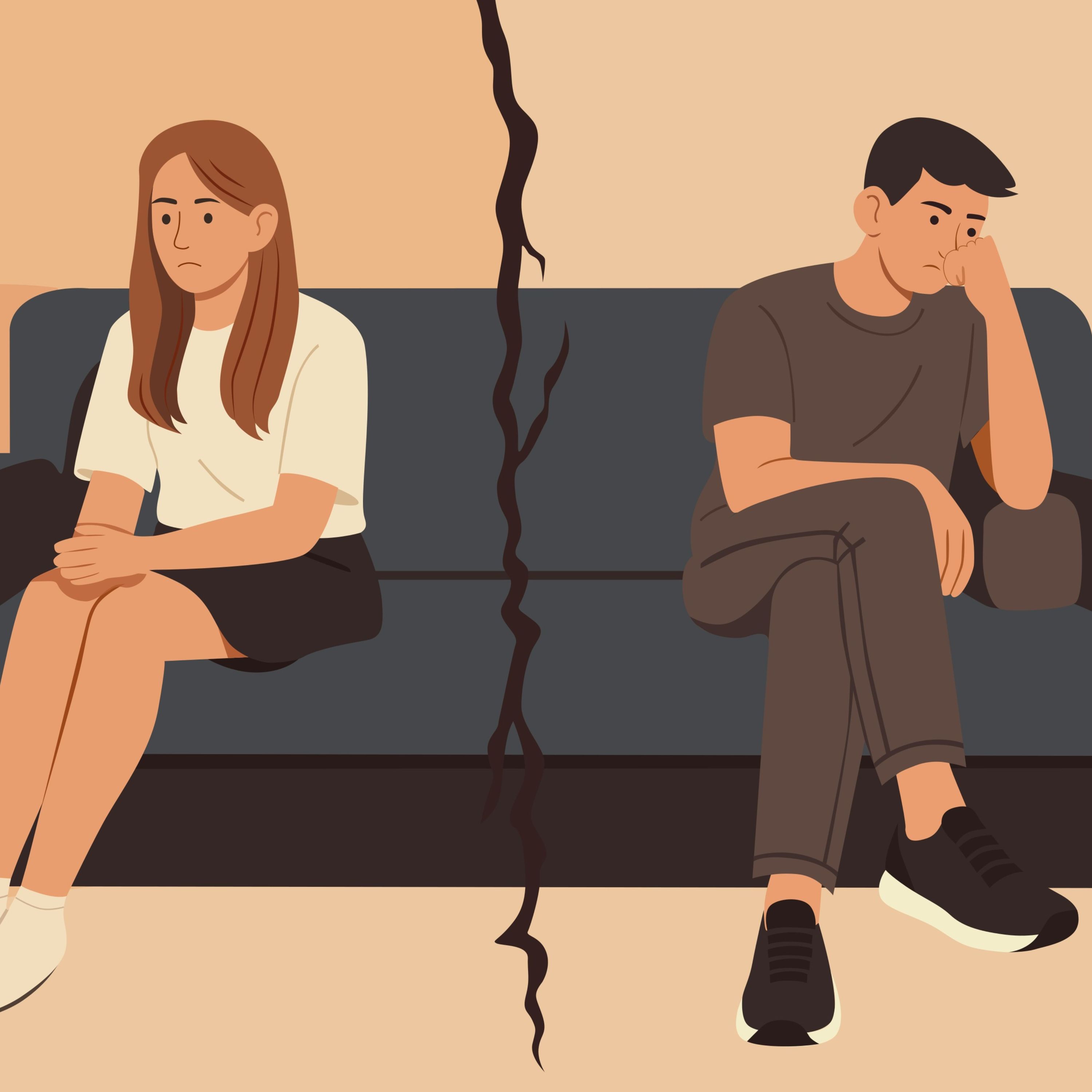
Surviving massive stress—like losing a home or a business—builds resilience. It shows you your own strength, reveals who your true friends are, and provides a new perspective that makes future, smaller problems more manageable, acting like a psychological immunity boost.

Resilience isn't a switch to be flipped during a crisis. It is the accumulated result of consistent habits, a supportive culture, and a psychological "margin" built over time. It is an outcome of intentional preparation, not an inherent trait you simply possess.

Constant exposure to trauma can lead to desensitization, but it's not a healthy adaptation. Research on crime scene investigators shows they become unresponsive not only to horrific images but also to neutral ones. This 'immunity' is actually a broad emotional deadening.