Get your free personalized podcast brief
We scan new podcasts and send you the top 5 insights daily.
The feeling of breaking down in midlife isn't caused by a single trigger. It is a cumulative effect of layered stressors—family, career, aging parents, health—that coincide with a period of low biological resilience and high emotional reactivity, creating a 'tiramisu of stress.'

Related Insights
Burnout isn't a single condition. Emotional exhaustion needs a break (vacation). A lack of self-efficacy requires skill development (upskilling). Cynicism, the hardest to fix, demands rediscovering your 'why' (inspiration). Misdiagnosing the cause leads to ineffective solutions.
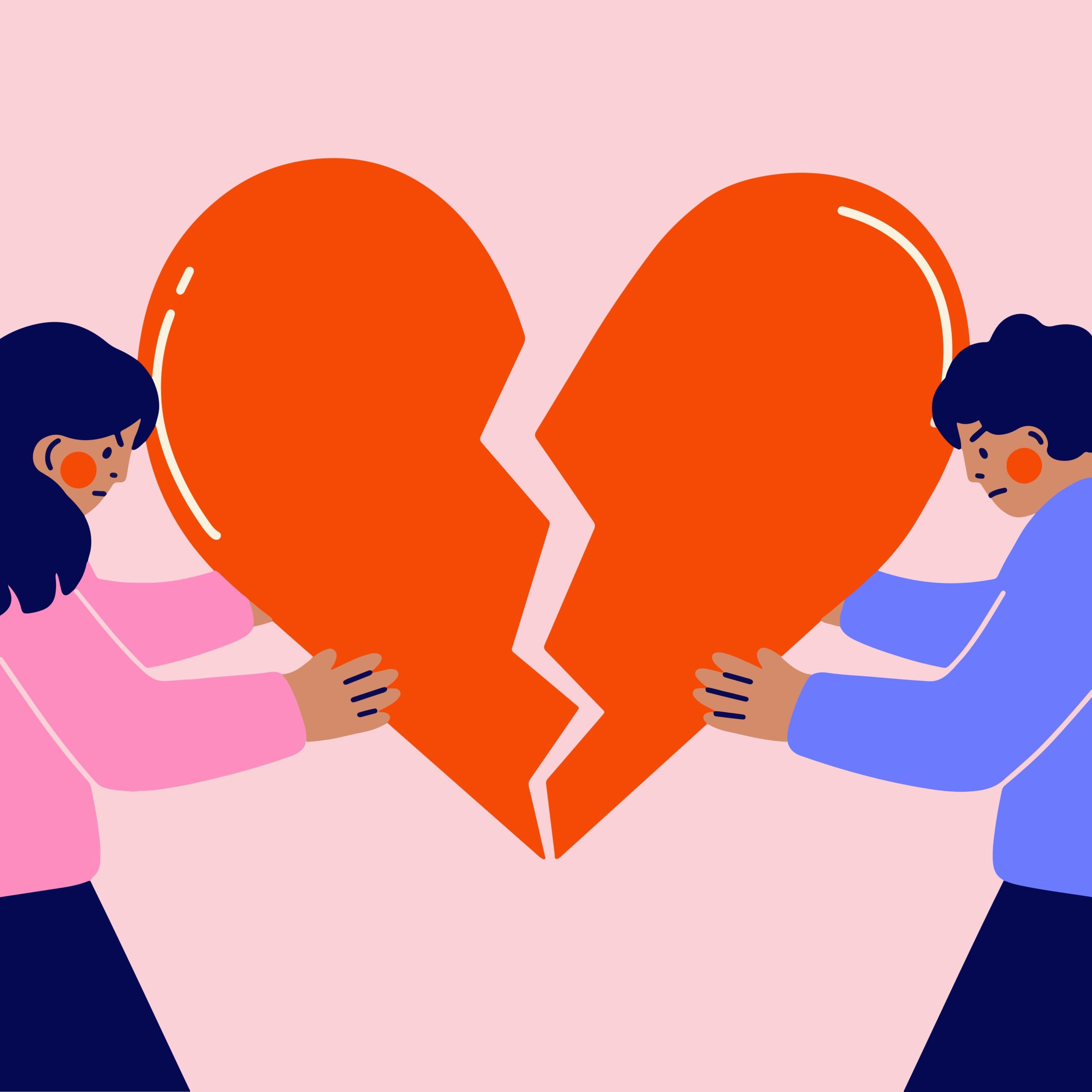
A key sign of a deep midlife identity shift is feeling 'allergic' to passions, routines, and roles you once loved. This isn't a failure but an indicator that you've completed a chapter—'mission accomplished'—and are like a plant that has outgrown its container, ready for something new.
Life transitions like menopause involve a difficult liminal space—the 'goo phase'—where the old identity has dissolved before the new one emerges. Society focuses on the end result (the butterfly) but fails to talk about or support individuals during the disorienting, messy process of becoming 'goo.'
Frame your health as five interconnected 'personal wells': physical, mental, emotional, social, and spiritual. According to Christine Platt, the depletion of just one well is enough to make you feel unwell, as it restrains the health of the other four. This model provides a targeted framework for self-assessment and restoration.

Burnout extends beyond mental exhaustion to a measurable physiological state. High cortisol levels provide a "physical manifestation" of chronic stress, reframing burnout from a vague feeling into a tangible health issue. This perspective underscores the importance of physical rest and recovery, not just mindset shifts, to heal.

Springsteen's breakdown at 32 wasn't sudden; it was the 'critical mass' of decades of ignored trauma. He warns that childhood defenses become toxic later, and the cost of refusing to sort that emotional baggage rises higher and higher with each passing year.

During menopause, the decline of estrogen also means losing its 'girl gang' of neurochemicals (dopamine, serotonin, etc.). This dissolves a lifelong 'neurochemical armor' that fueled motivation and joy, forcing you to redefine your identity and priorities without those chemical drivers.
High achievers often use work as a distraction to control something when life feels chaotic. This is an unsustainable coping mechanism. If you consistently ignore emotional needs and warning signs, your body will eventually rebel, leading to severe physical health crises.

When someone "pushes your buttons," the problem isn't the person pushing, but that you have buttons to be pushed. True emotional resilience comes from dismantling these internal triggers, which are often tied to your sense of worth, rather than trying to protect them from external events.

The speaker's mother began therapy at age 66 for caregiver burnout, not a major crisis. She'd previously avoided it, thinking her problems weren't "that bad," revealing a common misconception that therapy is only for catastrophes rather than for ongoing personal development at any age.
