Get your free personalized podcast brief
We scan new podcasts and send you the top 5 insights daily.
The expanding Middle East conflict is not merely a U.S. versus Iran proxy war. It's reigniting deep-seated, historical violence between different sects of Islam, such as the conflict between the Houthis and Saudi Arabia. This internal dynamic is a critical and often overlooked driver of regional instability.

Related Insights
Iran perceives the conflict not as a regional dispute but as a direct threat to its existence. Its strategy is to make the war so costly for adversaries that it secures long-term guarantees against future attacks, framing its actions through a lens of survival.

Recognizing that the Strait of Hormuz is a declining asset as bypass pipelines are built, Iran's grand strategy is to establish a sphere of influence. This involves using proxies like Hezbollah and the Houthis to control all potential oil transit routes, ensuring their long-term dominance over regional energy flow.

The Houthi's missile attacks on Israel are militarily minor. Their real power lies in attacking commercial shipping in the Red Sea, which would disrupt Saudi oil exports and could double the global oil shortfall, causing a massive price spike.
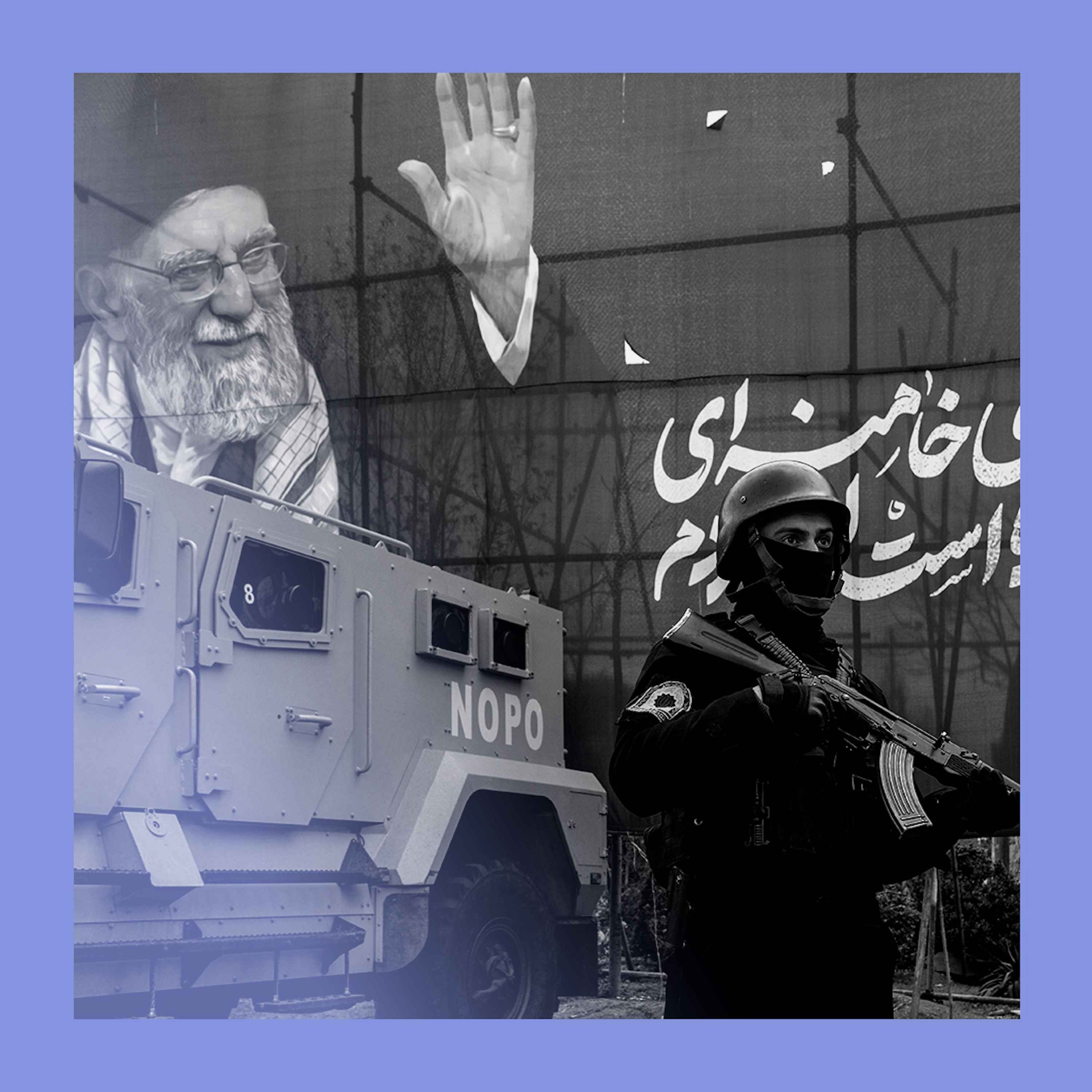
An unintended consequence of the conflict could be the ethnic fragmentation of Iran. With only 60% of the population being Persian, the external pressure and internal chaos could cause the country to disintegrate into ethnic conflict and civil war, creating a far greater humanitarian and geopolitical crisis.
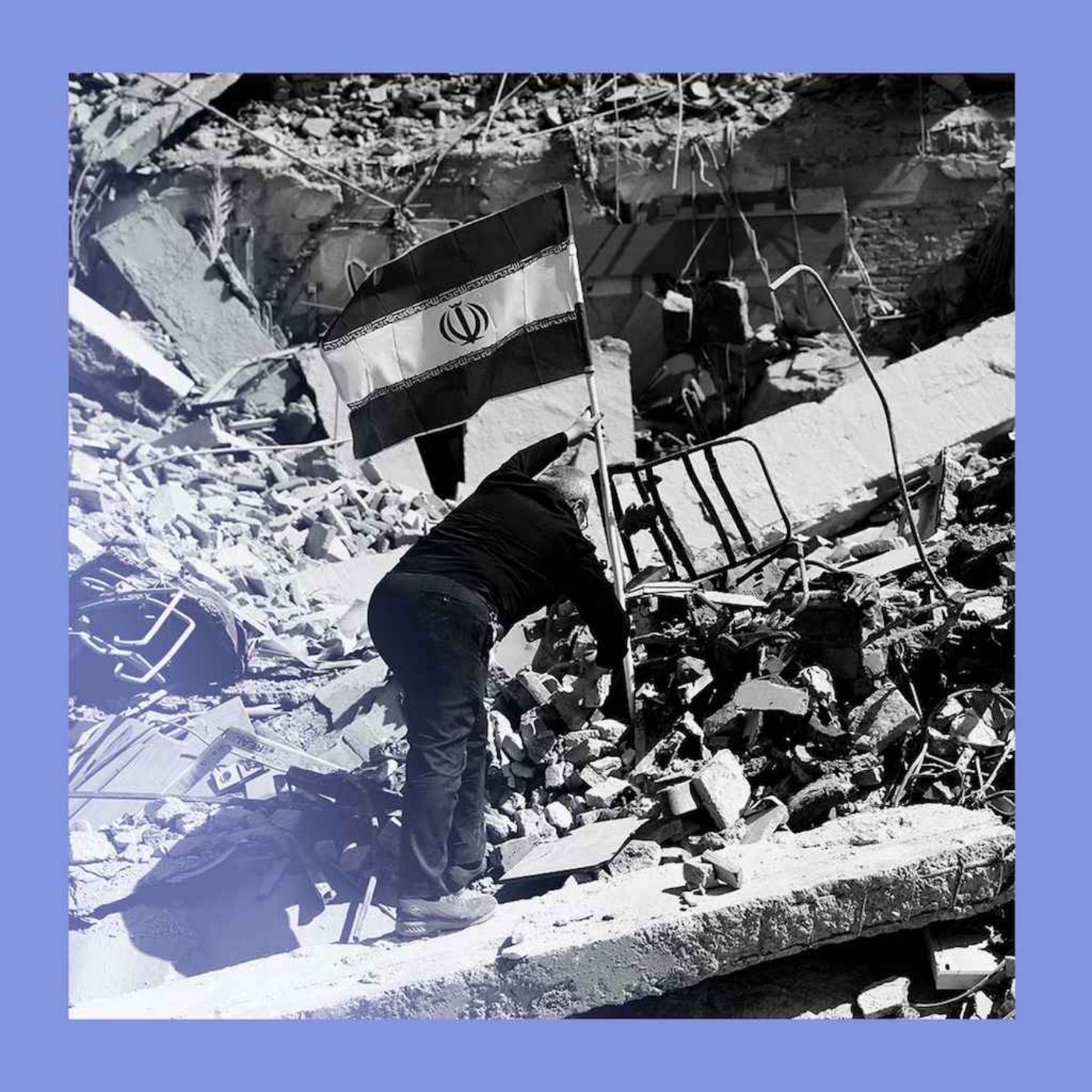
The personal and political rivalry between Saudi Arabia and the UAE is not contained to the Gulf. It is actively destabilizing other volatile regions as the two nations back opposing sides. This turns countries like Yemen, Syria, Ethiopia, and Eritrea into proxy battlegrounds, escalating local conflicts.

Key US allies have incentives for America to enter a conflict with Iran but not win decisively. The ideal outcome for them is a weakened Iran and a distracted, overextended America that is more dependent on their cooperation. This subverts the simple narrative of a unified coalition, revealing a complex web of self-interest.

Viewing the conflict as two rational sides in a misunderstanding is flawed. Both sides see the other as an existential threat and are willing to use extreme violence to achieve their goals. This reframes the narrative from a political dispute to a primal, violent tribal conflict where both sides see themselves as righteous.

The Houthis' lack of involvement in the initial conflict is a deliberate Iranian strategy. Iran is preserving them as a key asset in its "back pocket" to be used later for greater leverage, such as escalating the conflict by threatening maritime security in the Red Sea.

The Houthis, empowered by Iran, have become such drone warfare experts that they now train other groups like Al-Shabaab and even teach Iran's IRGC. They are evolving into independent consultants, proliferating advanced asymmetric warfare tactics globally and creating a new, decentralized threat.

Gulf nations do not simply align with Israel against Iran. They perceive Israel's increasing military aggression as a destabilizing force, just as they do Iran's actions. They feel caught between two dangerous and unpredictable actors, with both threatening their national interests and economic diversification plans.