Get your free personalized podcast brief
We scan new podcasts and send you the top 5 insights daily.
The Houthis, empowered by Iran, have become such drone warfare experts that they now train other groups like Al-Shabaab and even teach Iran's IRGC. They are evolving into independent consultants, proliferating advanced asymmetric warfare tactics globally and creating a new, decentralized threat.

Related Insights
The conflict highlights a critical economic vulnerability in US defense strategy. The US is forced to use multi-million dollar missiles to counter Iranian drones that cost only $20,000. This massive cost imbalance demonstrates the power of asymmetric warfare and a significant strategic inefficiency for the US military.

The narrative from the Russia-Ukraine war suggested drones made helicopters obsolete. However, the Iran conflict shows AH-64 attack helicopters are effective at shooting down Shahed-type drones. Their ability to fly low and slow and use cheaper munitions like guns and rockets makes them a viable counter-UAS system.
Iran doesn't need a naval blockade to close the Strait of Hormuz. The mere threat of drone and missile attacks is enough to deter shippers and insurers, creating a "de facto closure." This asymmetrical strategy highlights how psychological warfare can be as effective as direct military action in disrupting global trade.
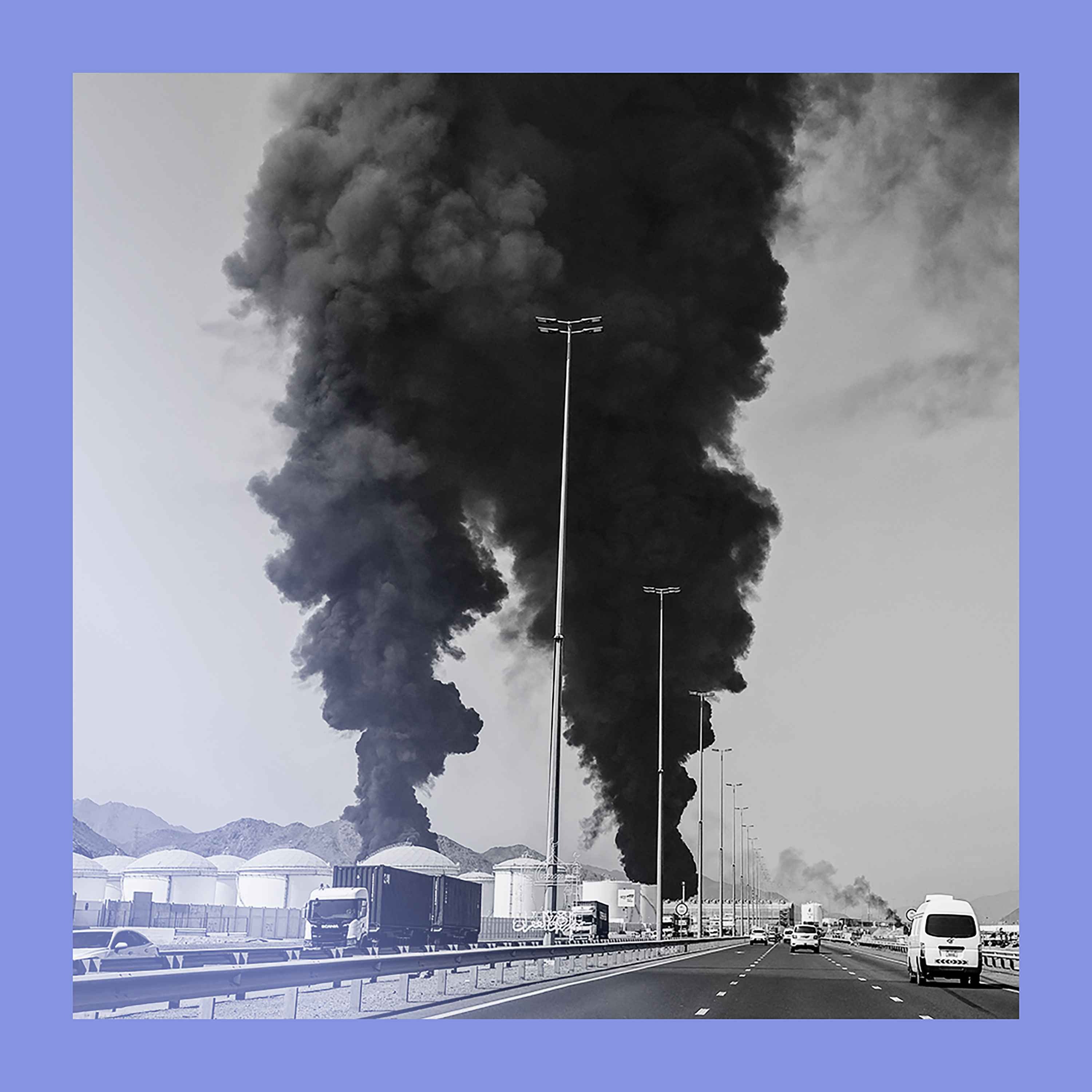
Low-cost, mass-produced drones create strategic advantage by forcing a disproportionately expensive defensive response ($4M missiles for $20K drones). This 'weaponized financial asymmetry' can extend conflicts by draining an opponent's budget, even if the drones are successfully intercepted.

The US faces a severe economic disadvantage in the Middle East conflict. Iran uses $30,000 drones that can disable $160 million tankers, while US countermeasures involve $4 million Patriot missiles. This cost imbalance allows Iran to inflict massive economic damage cheaply, posing a significant strategic threat.

After licensing Iran's Shaheed drones for use in Ukraine, Russia improved them and developed new battlefield tactics. Russia is now sharing this advanced operational knowledge back with Iran, the system's originator, accelerating the evolution of drone warfare for both nations.

Modern asymmetric warfare is less about ground skirmishes and more about economic attrition through missile technology. Adversaries use extremely cheap drones and mines to exhaust the multi-million-dollar missile defense systems of better-equipped powers, creating a lopsided cost exchange.

The Houthis' lack of involvement in the initial conflict is a deliberate Iranian strategy. Iran is preserving them as a key asset in its "back pocket" to be used later for greater leverage, such as escalating the conflict by threatening maritime security in the Red Sea.

The U.S. is deploying the "Lucas," a precise mass system ironically derived from Iran's own Shahid 136 drone. This demonstrates a rapid cycle of technological adaptation and counter-adaptation in modern warfare, effectively turning an adversary's innovation against them.
Iran can produce cheap Shahed drones weekly, while the US produces expensive PAC-3 interceptors annually. This massive production disparity means defense systems can be quickly depleted, leaving critical infrastructure like oil fields vulnerable.