Get your free personalized podcast brief
We scan new podcasts and send you the top 5 insights daily.
Using security guarantees like NATO as leverage for economic concessions is a self-defeating strategy. If the threat is constantly repeated but never acted upon, it's exposed as a bluff, losing its power. If the US does withdraw from an alliance, the leverage disappears entirely, leaving America less secure.

Related Insights
The United States' greatest strategic advantage over competitors like China is its vast ecosystem of over 50 wealthy, advanced, allied nations. China has only one treaty ally: North Korea. Weakening these alliances through punitive actions is a critical foreign policy error that erodes America's primary source of global strength.

By threatening to withdraw from NATO, Trump can force allies like Denmark into deals such as the one for Greenland. While this leverage is effective for immediate goals, his unpredictable tactics cause long-term damage to America's international reputation and perceived stability.

America's unpredictable, "law of the jungle" approach doesn't embolden adversaries like Russia or China, who already operate this way. Instead, it forces traditional allies (Canada, Europe, Japan) to hedge their bets, decouple their interests, and reduce reliance on an unreliable United States for upholding international law.
The President of Finland's quick reversal on whether Europe can defend itself without America reveals a critical vulnerability. Despite public posturing of self-sufficiency, European security is deeply dependent on the U.S., undermining their leverage in negotiations and exposing their claims as a bluff.
While Americans may become desensitized to a president's unconventional statements, allies like Australia do not see it as a joke. They interpret threats to treaty obligations as genuine disrespect and aggression, compelling them to develop independent defense strategies and fundamentally altering geopolitical relationships built over decades.

Trump's confrontational stance with allies isn't just chaos; it's a calculated strategy based on the reality that they have nowhere else to go. The U.S. can troll and pressure nations like Canada and European countries, knowing they won't realistically align with China, ultimately forcing them to increase their own defense commitments.

If a leader concludes that historic allies are acting against their nation's interests (e.g., prolonging a war), they may see those alliances as effectively void. This perception of betrayal becomes the internal justification for dramatic, unilateral actions like dismantling NATO or seizing strategic assets.

The backbone of NATO is not just US military might, but European trust in it. A dispute initiated by the US against allies is more existentially dangerous than past internal conflicts or external threats because it directly undermines the core assumption of mutual defense.
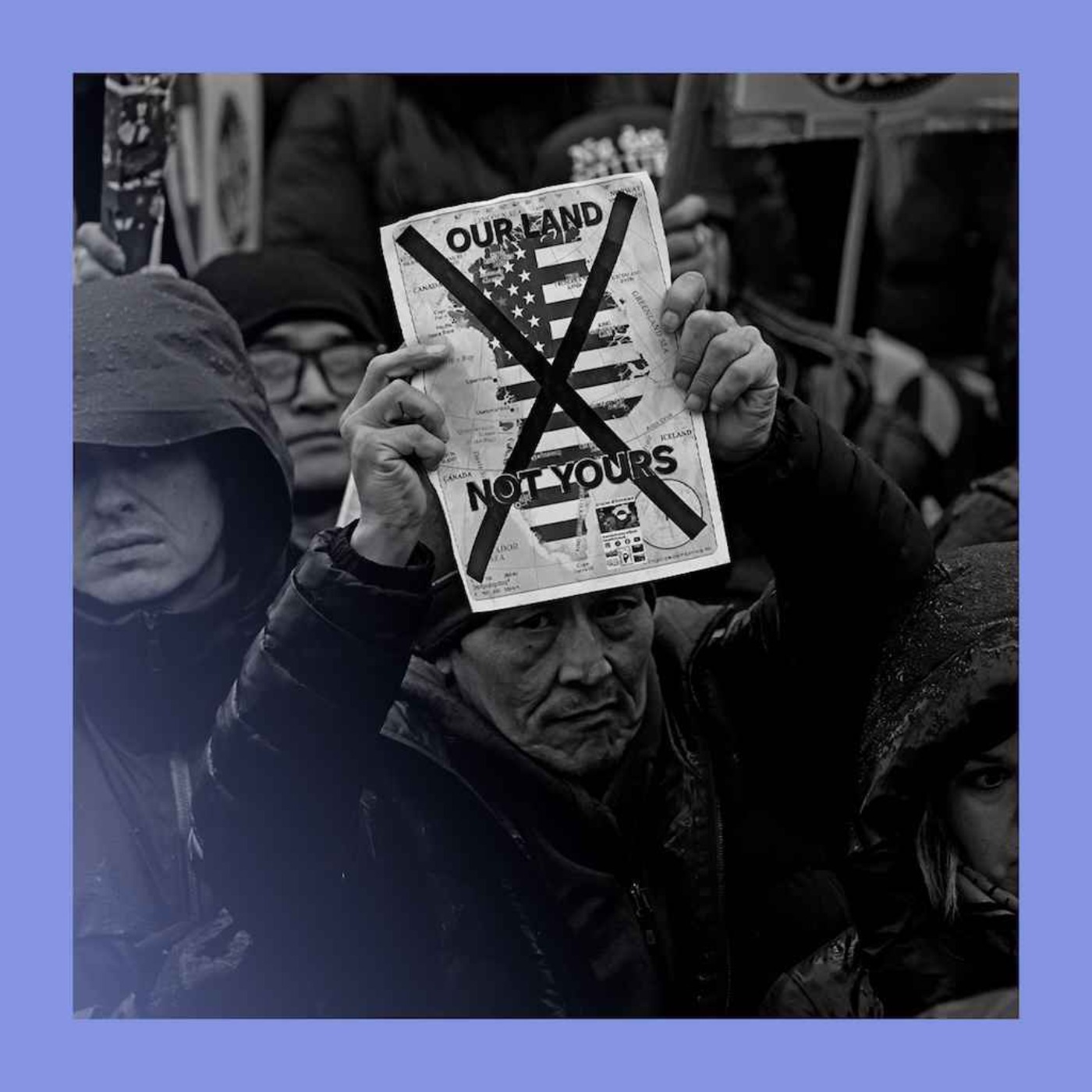
Even though President Trump backed down on tariffs over Greenland, the episode permanently eroded European trust in the U.S. as a reliable NATO partner. The erratic nature of the dispute raised serious questions about American dependability on more critical issues like Ukraine, suggesting long-term damage to the alliance.
Unpredictable foreign policy, like threatening to attack a NATO ally over Greenland, erodes international trust. This directly endangers a key U.S. economic vulnerability: its reliance on foreign nations to buy its debt. Such actions could make it 'unpopular to buy or hold U.S. debt,' weaponizing capital against America.