Get your free personalized podcast brief
We scan new podcasts and send you the top 5 insights daily.
Beehive funds a program for journalists covering costs like health insurance and legal support. While it generates no direct revenue and is a net cost on the P&L, the initiative creates a powerful halo effect through press and goodwill, proving not all valuable marketing is quantifiable on a spreadsheet.

Related Insights
The owner of Royal Air shifted her mindset from seeking measurable ROI for their mascot and community events. Instead, success is tracked through "quiet notices": overhearing positive comments, seeing branded buttons on kids' backpacks, and being recognized at events. This highlights the cumulative, qualitative impact of brand-building.

For content without direct attribution, prove its value by systematically collecting qualitative feedback. Create a 'Trophy Room'—a document with screenshots of positive social media comments, Gong call mentions, and Slack messages—to tell a compelling story of impact beyond hard metrics.

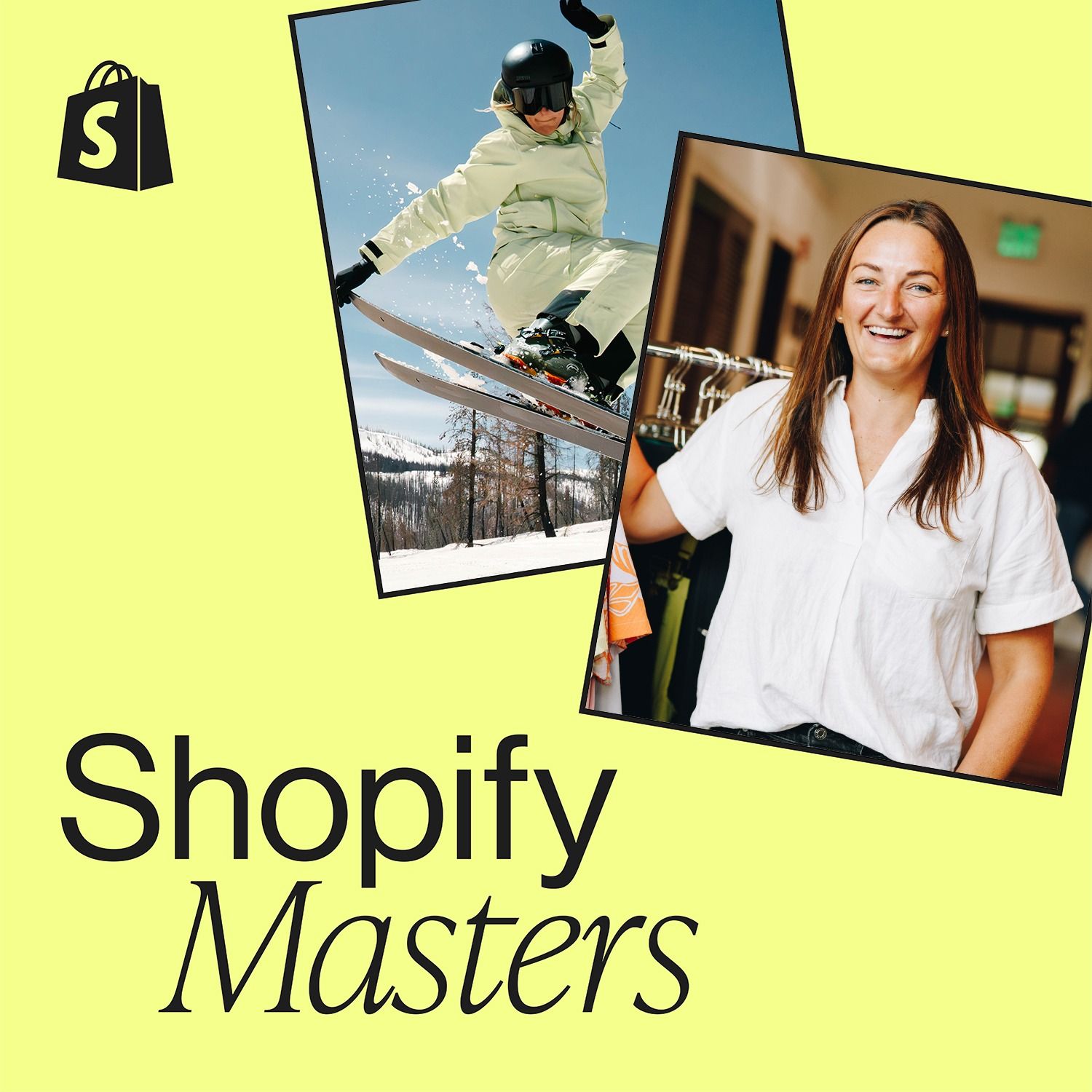
Wild Rye, a certified B Corp, finds that taking strong public stances on issues like reproductive rights amplifies their brand and strengthens customer loyalty. The founder believes this creates a financial upside that is far greater than the direct costs of donations and certifications, especially for a growing brand.
For strategic brand plays that don't generate direct revenue, the primary metric for success is usage. High, consistent utilization of a resource like a free studio proves it delivers tangible value, justifying the investment through brand loyalty and differentiation rather than a P&L statement.

DoubleTree's CFO reportedly hates the free cookie program because its ROI is impossible to prove. However, it functions as a powerful "talk trigger," generating priceless word-of-mouth marketing and brand loyalty. This proves the most effective brand initiatives often defy direct performance metrics.

Not all brand campaigns have direct, measurable ROI. Justify their cost by tracking "soft ROI," such as increased employee pride and retention (e.g., employees on billboards), positive candidate feedback during interviews, and using tools like Gong to track how often the campaign is mentioned in sales calls.

Leading marketers confidently invest in high-cost, low-measurability channels like billboards and physical books. They understand that reaching a concentrated target audience builds brand in a way that can't be captured by direct attribution but drives long-term pipeline.
To sell leadership on brand initiatives with indirect ROI, translate organic performance into paid media equivalents. Calculate what the millions of impressions from a viral video would have cost via paid channels. Frame it as a cost-effective way to build brand and lower overall CAC.

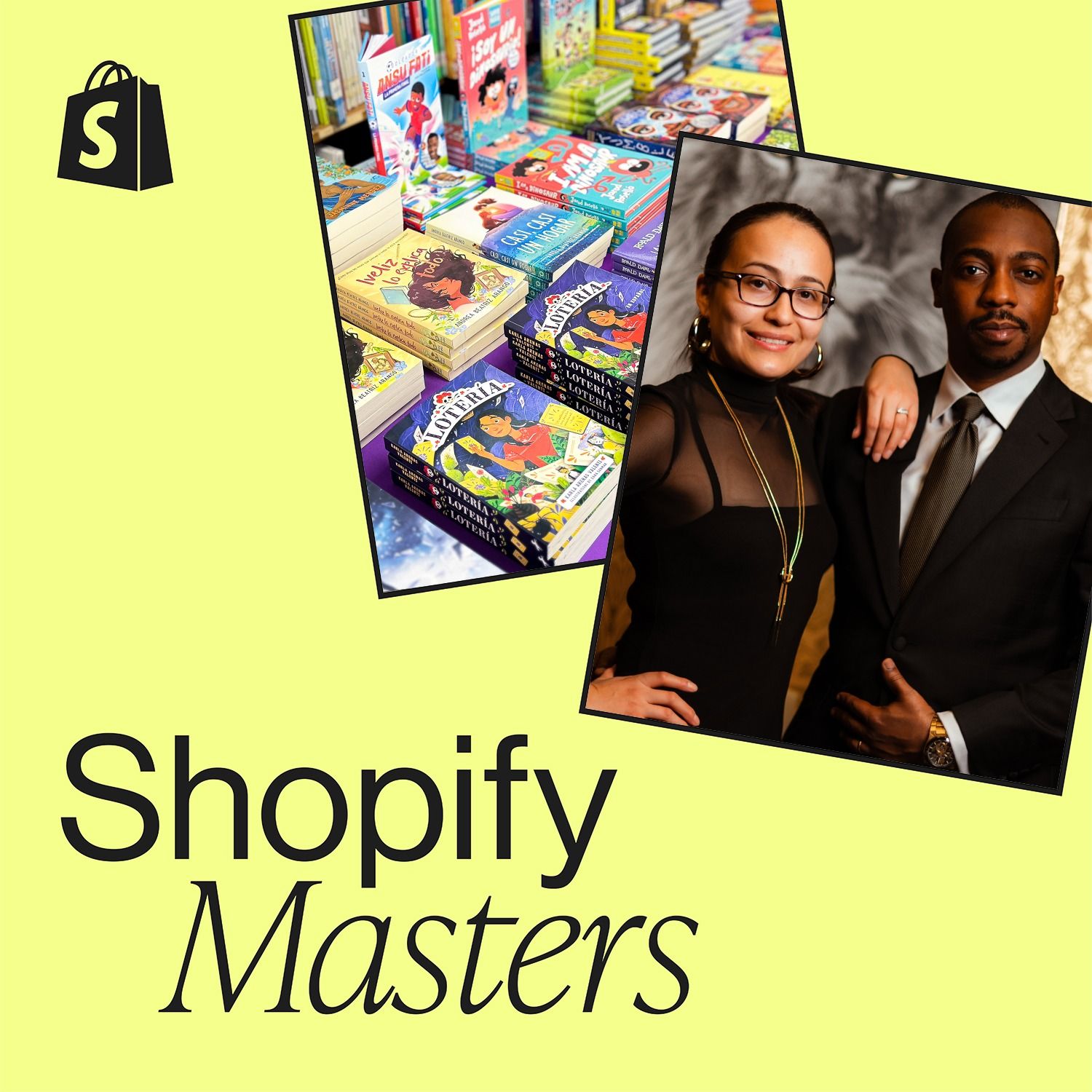
The founders of Miha Books consider their year-long retail lease a financial failure. However, the store generated significant press coverage and social proof ('as seen on'), which they now view as a valuable, albeit expensive, marketing asset that legitimized their brand and led to future opportunities.
The founder argued against a smaller donation, stating that the boldness of giving away 50% of profits *is* the core marketing story. This ambitious commitment is what motivates employees, hooks customers, and generates media attention, effectively acting as a powerful growth driver.
