Get your free personalized podcast brief
We scan new podcasts and send you the top 5 insights daily.
The founder argued against a smaller donation, stating that the boldness of giving away 50% of profits *is* the core marketing story. This ambitious commitment is what motivates employees, hooks customers, and generates media attention, effectively acting as a powerful growth driver.

Related Insights
The 20th-century view of shareholder primacy is flawed. By focusing first on creating wins for all stakeholders—customers, employees, suppliers, and society—companies build a sustainable, beloved enterprise that paradoxically delivers superior returns to shareholders in the long run.

MasterCard's purpose-driven marketing is designed to be self-funding. During its 'Stand Up to Cancer' campaign, the company's donation incentivizes card usage. This drives a permanent market share gain that generates enough incremental revenue to cover the charitable donation, proving purpose and profit are not mutually exclusive.
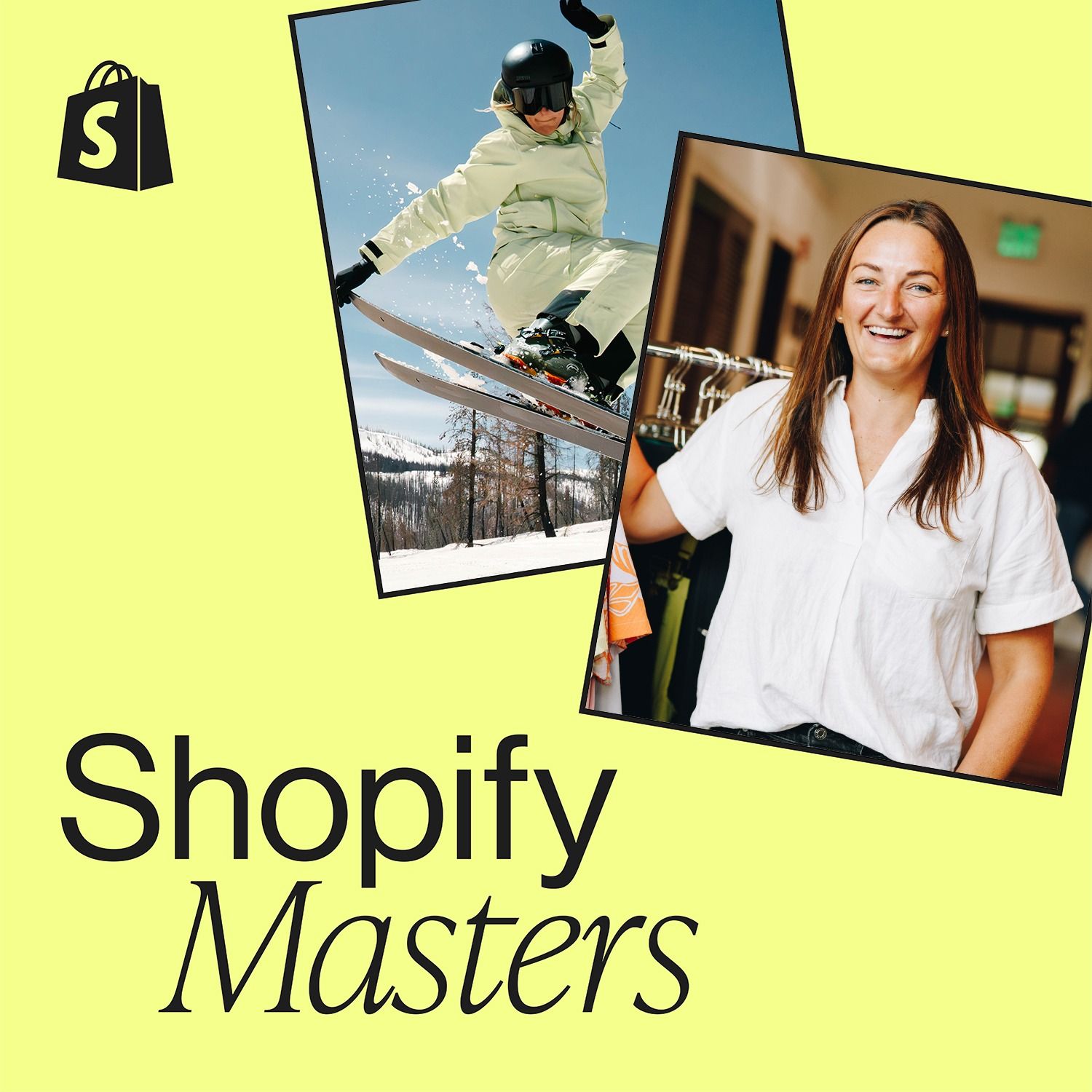
Wild Rye, a certified B Corp, finds that taking strong public stances on issues like reproductive rights amplifies their brand and strengthens customer loyalty. The founder believes this creates a financial upside that is far greater than the direct costs of donations and certifications, especially for a growing brand.
The host suggested the FWFO founders grant a 1% 'royalty' to Rory Sutherland, who sparked the idea. This gesture, framed as a 'Rory Trust,' is not only fair but also creates a compelling brand narrative, builds goodwill, and generates positive PR.

Aries found it more powerful to tell a 25-year-old that their specific deal will generate $300k for charity than to talk about the fund's $50 million total accrual. This micro-level connection makes the philanthropic impact personal and tangible, creating a direct sense of legacy and purpose from daily work.

The most powerful way to build a business is to focus on a 'divine lever'—an action that is both a causal force for growth and is objectively good, serving demand purely without self-centered motives. This creates a sustainable, meaningful foundation for a company.

Being radically clear about a long-term goal, like Gary Vaynerchuk's public aim to buy the NY Jets, does more than align your actions. It serves as a North Star that attracts and enrolls your audience and even strangers to actively support your journey.

Focusing relentlessly on giving value to your audience without expecting an immediate return is the foundation of brand building. This selfless approach, embodied by the "jab, jab, jab, right hook" model, ultimately creates more selfish gain (sales, reputation) than a transactional, sales-first mindset ever could.
Canva operates on a simple plan: 1) build one of the world's most valuable companies, and 2) do the most good possible. This purpose-driven approach, including the founders' pledge to give away their wealth, grounds company decisions and culture beyond typical CSR.
The tangible impact of an influencer's public commitment to a cause is quantifiable. Podcaster Sam Harris's public 10% pledge to effective charities directly inspired 1,200 listeners to take the same pledge. This specific action has resulted in over $30 million in donations, equivalent to thousands of lives saved, demonstrating a direct and measurable ROI for influencer-led philanthropy.
